
Gardening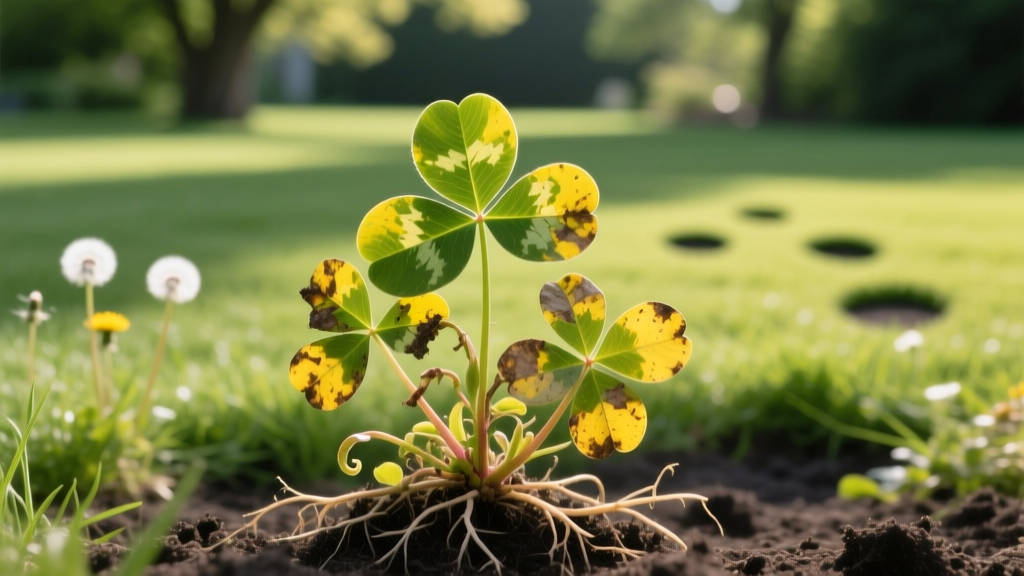
Diagnosing Stunted Growth and Yellowing in Trifolium Plants
The Hidden Complexities of Trifolium Cultivation
Trifolium plants, commonly known as clovers, are prized in both ornamental landscaping and agricultural settings for their resilience, drought tolerance, and natural nitrogen-fixing capabilities. However, when these legumes begin to exhibit stunted growth, interveinal chlorosis (yellowing between leaf veins), or sudden wilting, the underlying causes are rarely as simple as a lack of water. Because Trifolium species rely on complex symbiotic relationships with soil bacteria and have specific micronutrient requirements, standard gardening remedies often fail to address the root cause of the decline.
According to the Penn State Extension, misdiagnosing clover stress frequently leads to the over-application of synthetic nitrogen, which ironically suppresses the plant's natural biological nitrogen fixation and exacerbates long-term soil imbalances. This guide provides a precise, symptom-driven diagnostic framework to identify and resolve the most critical physiological, pathological, and environmental failures in Trifolium plants.
Rapid Diagnostic Matrix: Symptom to Solution
Before applying any amendments, cross-reference your plant's visual symptoms with this diagnostic matrix to pinpoint the exact failure point.
| Primary Symptom | Secondary Indicator | Probable Cause | Immediate Action |
|---|---|---|---|
| Uniform pale green/yellow leaves | White or green interior root nodules | Nodulation failure (Rhizobium deficiency) | Apply liquid Rhizobium inoculant; reduce soil N |
| Interveinal chlorosis on new growth | Soil pH below 5.5 | Molybdenum lockout | Apply lime to raise pH; foliar spray sodium molybdate |
| Sudden wilting and crown decay | White cottony mycelium at stem base | Sclerotinia crown rot | Improve drainage; apply Bacillus subtilis biofungicide |
| Notched leaf margins and skeletonization | Small brown larvae present at dusk | Clover leaf weevil (Hypera nigrirostris) | Apply Spinosad or Bt (Bacillus thuringiensis) at dusk |
| Stunted stolons, purple leaf undersides | Low soil test phosphorus (P) | Phosphorus deficiency | Incorporate bone meal or rock phosphate pre-planting |
Problem 1: Nodulation Failure and Nitrogen Starvation
The most common reason for yellowing Trifolium plants in newly established beds is the failure of biological nitrogen fixation. Clovers do not fix nitrogen themselves; they rely on a symbiotic relationship with the soil bacterium Rhizobium leguminosarum biovar trifolii. If the soil lacks this specific bacterial strain, or if environmental conditions prevent infection, the plant will rapidly deplete available soil nitrogen and starve.
How to Diagnose Nodule Health
Gently excavate the root zone of a declining plant and wash the soil away from the lateral roots. You are looking for small, spherical nodules (2-5mm in diameter). Slice a few nodules open with a sterilized razor blade:
- Healthy Nodules: The interior will be pink or reddish. This color comes from leghemoglobin, an oxygen-binding protein that proves active nitrogen fixation is occurring.
- Ineffective/Failing Nodules: The interior is white, pale green, or brown. This indicates the bacteria are present but not fixing nitrogen, often due to high ambient soil nitrogen or extreme soil acidity.
- Absent Nodules: The roots are bare, indicating a total absence of compatible Rhizobia in the soil profile.
The Inoculation Fix
If nodules are absent or white, you must reintroduce the bacteria. Purchase a peat-based or liquid inoculant specifically labeled for clover (ensure it specifies R. leguminosarum bv. trifolii, not the alfalfa/bean strain). A standard 10-ounce packet of peat inoculant costs between $12 and $18 and treats up to 50 pounds of seed. For existing plants, use a liquid humic-acid-based microbial drench containing live Rhizobia, applying it directly to the root zone via a soil needle or deep-root feeder at a rate of 2 ounces per 100 square feet.
Problem 2: Micronutrient Lockout (The Molybdenum Factor)
Gardeners often mistake Molybdenum (Mo) deficiency for a primary nitrogen deficiency because the visual symptoms—stunted growth and severe yellowing of older leaves—are nearly identical. Molybdenum is a critical cofactor for the nitrogenase enzyme, which the Rhizobia bacteria use to convert atmospheric nitrogen into ammonia. Without Mo, nitrogen fixation halts entirely, even if the nodules are healthy and pink.
According to research published by the Oregon State University Forage Information System, Molybdenum availability is highly pH-dependent. In soils with a pH below 5.5, Mo becomes tightly bound to iron and aluminum oxides, rendering it unavailable to plant roots. Conversely, unlike most micronutrients, Mo becomes more available as soil pH rises.
Targeted Remediation Protocol
- Test Soil pH: If pH is below 6.0, apply pelletized dolomitic lime at a rate of 50 lbs per 1,000 square feet to gradually raise the pH to the optimal 6.5 range for Trifolium.
- Foliar Molybdenum Application: For an immediate rescue, dissolve 1/2 teaspoon of agricultural-grade sodium molybdate in 1 gallon of water. Add a non-ionic surfactant (like a few drops of mild liquid dish soap) to break surface tension, and spray the foliage until runoff. Foliar absorption bypasses the soil lockout entirely, greening up the plants within 7 to 10 days.
Problem 3: Pathogen Pressure and Crown Rot
Trifolium plants are highly susceptible to Sclerotinia trifoliorum, the pathogen responsible for Sclerotinia crown and stem rot. This fungal disease thrives in cool, wet conditions (50°F to 65°F) and poorly draining soils. The first sign is often a sudden, localized collapse of clover patches. Upon close inspection, you will notice a white, cottony mycelium growing at the base of the stems, eventually forming hard, black survival structures called sclerotia.
Diagnostic Warning: Do not confuse Sclerotinia mycelium with the natural white, fuzzy root hairs (root mucilage) that clovers produce in dry soil to capture moisture. Sclerotinia mycelium is distinctly web-like, spreads up the stem, and is accompanied by a foul, decaying odor and mushy crown tissue.
Fungal Management Strategies
Once the crown is infected, the individual plant cannot be saved. The goal is to halt the spread to adjacent stolons. Remove and bag all necrotic plant material. For organic management, apply a biofungicide containing Bacillus subtilis (such as Serenade Garden) at a rate of 2 to 4 fluid ounces per gallon of water, drenching the soil surface. In severe agricultural or large-scale landscaping scenarios, synthetic fungicides containing Azoxystrobin (e.g., Heritage T) can be applied at 2 to 4 oz per 1,000 sq ft, though this should be a last resort to preserve soil microbiome health.
Species-Specific Vulnerabilities
Not all Trifolium species react to environmental stress identically. Selecting the right species for your specific soil profile prevents 80% of common cultivation problems.
| Trifolium Species | Common Name | Primary Vulnerability | Ideal Soil Profile |
|---|---|---|---|
| T. repens | White Clover | Sclerotinia rot; shade intolerance | Well-drained loam, pH 6.0-7.0 |
| T. pratense | Red Clover | Anthracnose; low heat tolerance | Deep, fertile soils, pH 6.5-7.5 |
| T. fragiferum | Strawberry Clover | Poor establishment in sandy soils | Heavy clay, alkaline, tolerates wet feet |
| T. incarnatum | Crimson Clover | Winterkill in zones below 6b | Sandy loam, excellent drainage required |
The 14-Day Trifolium Rescue Protocol
If your clover groundcover or cover crop is in systemic decline, follow this strict 14-day rehabilitation schedule to restore vigor without shocking the root system.
Phase 1: Assessment and Triage (Days 1-3)
- Day 1: Conduct a comprehensive soil test (measuring pH, P, K, and organic matter). Dig up three random plants to inspect nodule color and crown health.
- Day 2: Remove all dead, matted thatch and fungal-infected tissue. Core aerate the area if soil compaction is preventing water infiltration.
- Day 3: Based on the soil test, apply necessary pH amendments (lime or elemental sulfur). Do not apply synthetic nitrogen.
Phase 2: Biological and Chemical Intervention (Days 4-7)
- Day 4: Apply a liquid kelp extract (0-0-1 NPK) combined with a humic acid drench to stimulate root growth and reduce transplant/stress shock.
- Day 5: If nodulation was poor, apply the liquid Rhizobium inoculant directly into the aeration holes.
- Day 7: Apply a foliar spray of chelated micronutrients, ensuring Molybdenum and Iron are included in the formulation.
Phase 3: Monitoring and Maintenance (Days 8-14)
- Day 10: Inspect new stolon growth. If leaves are emerging dark green, the biological fixes are taking hold. If chlorosis persists, re-evaluate for pest pressure (weevils) or root-knot nematodes.
- Day 14: Resume standard, deep-but-infrequent irrigation. Avoid overhead watering in the evening to prevent fungal spore germination on the foliage.
Frequently Asked Questions
Can I plant Trifolium in heavily compacted clay soil?
Yes, but species selection is critical. Trifolium fragiferum (Strawberry clover) is highly adapted to heavy, poorly drained clay soils and alkaline conditions. However, you must scarify the top 2 inches of the clay before sowing to ensure the tiny seeds are not buried too deeply, which prevents germination.
Why are my clovers dying after I applied a high-nitrogen lawn fertilizer?
Trifolium plants possess a biological feedback loop. When ambient soil nitrogen levels are high, the plant stops sending carbohydrates to the Rhizobia bacteria in its root nodules. The bacteria die off, the nodules senesce, and the plant becomes entirely dependent on the synthetic fertilizer. Once the fertilizer washes out of the soil profile, the clover experiences severe withdrawal and dies because it has lost its biological nitrogen-fixing infrastructure. Always use low-nitrogen, high-phosphorus fertilizers (like a 2-8-4 ratio) around clovers.
How do I control broadleaf weeds in a pure Trifolium stand?
Because clovers are broadleaf dicots, standard broadleaf herbicides (like 2,4-D or Dicamba) will kill them. For weed control in a pure clover bed, rely on mechanical removal or targeted application of grass-specific herbicides (like Fluazifop) if invasive grasses are the problem. For broadleaf weeds, hand-pulling or applying a thick layer of compost to smother weed seedlings while allowing the clover stolons to root through is the most effective organic strategy, as detailed in the SARE Cover Crop Ecology guidelines.

