
Gardening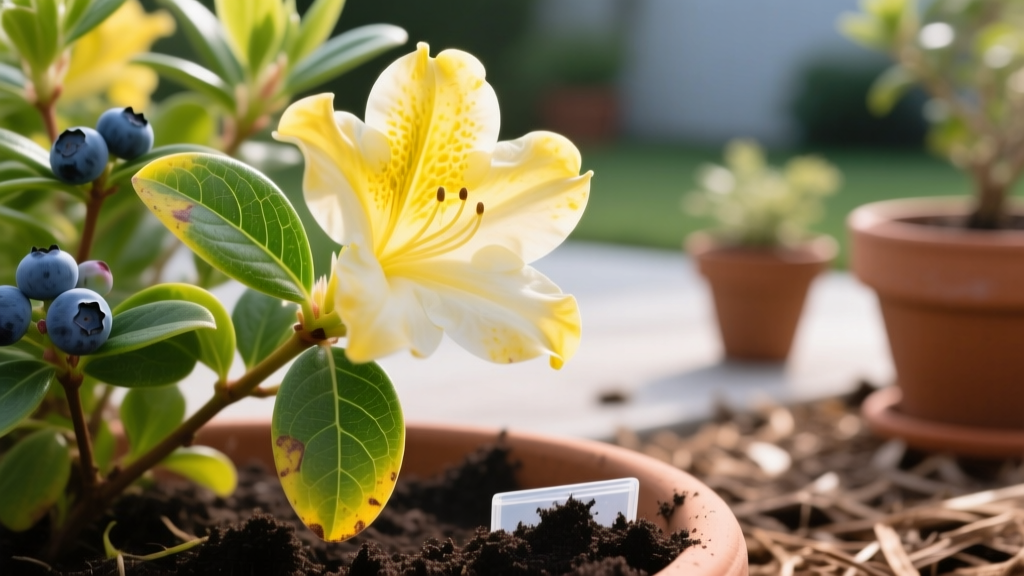
Diagnosing Yellowing Leaves on Plants That Love Acid: pH Fixes
The Chlorosis Crisis: Why Your Ericaceous Plants are Fading
When gardeners invest in premium azaleas, blueberries, rhododendrons, or camellias, they expect vibrant foliage and prolific blooms. Instead, a common and frustrating symptom emerges: the leaves turn a sickly, translucent yellow while the veins remain stubbornly green. This condition, known as interveinal chlorosis, is the primary distress signal emitted by plants that love acid when forced to grow in alkaline or neutral soils. The problem is rarely a true deficiency of iron or manganese in the soil; rather, it is a chemical lockout caused by an elevated soil pH. To save your ericaceous garden, you must move beyond generic fertilizers and diagnose the exact biochemical barrier restricting root uptake.
Symptom Checker: Decoding Leaf Yellowing
Not all yellowing is created equal. Before applying amendments, use this diagnostic matrix to identify the specific nutrient lockout affecting your plants.
| Symptom Presentation | Primary Suspect | Soil pH Trigger | Most Affected Species |
|---|---|---|---|
| Newest leaves turn yellow; veins stay dark green. | Iron Chlorosis | pH above 6.5 | Azaleas, Pin Oaks, Blueberries |
| Older leaves yellow first; faint net-like vein pattern. | Magnesium Deficiency | pH below 4.5 or sandy leaching | Rhododendrons, Camellias |
| Uniform pale green/yellow across entire leaf, no vein contrast. | Nitrogen Deficiency | Any pH (usually poor organic matter) | All ericaceous species |
| Young leaves show yellowing between veins, with brown necrotic spots. | Manganese Toxicity/Deficiency | pH below 5.0 (Toxicity) or above 6.2 (Deficiency) | Hydrangeas, Blueberries |
The Invisible Barrier: Soil pH and Nutrient Lockout
Plants that love acid thrive in a soil pH range of 4.5 to 5.5. In this highly acidic environment, micronutrients like iron and manganese exist in a soluble, reduced state (Fe2+) that root hairs can easily absorb. When soil pH creeps above 6.0, iron oxidizes into an insoluble form (Fe3+) that binds tightly to soil particles. According to the University of Massachusetts Extension, applying standard iron sulfate to alkaline soil is essentially useless; the iron instantly precipitates out of the soil solution before the roots can intercept it. Therefore, the solution requires a two-pronged approach: immediate foliar rescue and long-term soil acidification.
Diagnostic Protocol: Testing with Precision
Guessing your soil pH based on regional maps leads to costly mistakes. You must measure the active acidity of your specific planting beds.
- Rapid Field Testing: The Luster Leaf Rapitest Soil Test Kit (Model 1663) ($18-$25) uses colorimetric capsules to provide a reasonably accurate pH reading within minutes. It is ideal for quick triage.
- Laboratory Analysis: For a definitive baseline, send a 1-cup composite soil sample to your local university cooperative extension. A standard agronomic panel costs between $15 and $30 and will provide exact buffer pH readings, which dictate precisely how much elemental sulfur is required to shift your specific soil texture.
Targeted Solutions: Reversing Alkaline Damage
Once you have confirmed an elevated pH (6.0 or higher), implement the following remediation sequence to restore your plants that love acid.
Phase 1: Immediate Foliar Rescue (Days 1-7)
Soil amendments take months to react. To halt leaf drop and restore photosynthesis immediately, apply a chelated iron foliar spray. Look for products containing Fe-EDDHA (such as Sequestrene 330 or Bonide Liquid Iron). EDDHA chelates remain stable and bioavailable even in highly alkaline conditions. Mix at a rate of 1 tablespoon per gallon of water and spray the foliage until runoff during the early morning or late evening to prevent phototoxicity. Expect visible greening within 5 to 7 days.
⚠️ CRITICAL WARNING: The Aluminum Sulfate Trap
Many garden centers sell aluminum sulfate as a rapid soil acidifier, particularly to turn hydrangeas blue. While it drops pH quickly, repeated use causes severe aluminum toxicity in the root zones of blueberries, azaleas, and rhododendrons, leading to root necrosis and plant death. The Clemson University HGIC strongly advises against using aluminum sulfate on edible ericaceous crops or sensitive broadleaf evergreens. Always default to elemental sulfur for safe, long-term pH reduction.
Phase 2: Long-Term Soil Acidification (Months 1-12)
To permanently lower the soil pH, you must stimulate soil bacteria that oxidize sulfur into sulfuric acid. This biological process requires warmth, moisture, and time.
| Amendment Type | Application Rate (per 100 sq ft) | Time to Effectiveness | Cost Estimate |
|---|---|---|---|
| Elemental Sulfur (Pelletized) | 1.0 lb (Lowers pH by ~0.5 in loam) | 3 to 6 months | $25 per 4 lb bag |
| Sphagnum Peat Moss | 1 to 2 inches incorporated into topsoil | Immediate buffering effect | $18 per 3 cu ft bale |
| Composted Pine Bark Fines | 2-inch top dressing annually | Gradual (6-12 months) | $30 per cubic yard |
Long-Term Soil Buffering Strategy
Lowering the pH is only half the battle; maintaining it is where most gardeners fail. Irrigation water in many municipalities is treated with lime to prevent pipe corrosion, meaning every time you water your garden, you are slowly raising the soil pH. To counteract this, you must build a robust cation exchange capacity (CEC) using acidic organic matter.
Instead of relying solely on chemical sulfur applications, integrate a 2-inch layer of composted pine bark fines or oak leaf mold around the root zone of your plants that love acid every spring. As the Royal Horticultural Society (RHS) notes, ericaceous plants possess specialized hair roots that form symbiotic relationships with mycorrhizal fungi. These fungi thrive in acidic, high-carbon environments and act as an extended root network, secreting organic acids that naturally solubilize bound iron and manganese.
Seasonal Maintenance Calendar
- Early Spring (March-April): Test soil pH. If above 5.8, apply pelletized elemental sulfur at the rate prescribed by your lab test. Top-dress beds with 2 inches of pine bark fines.
- Late Spring (May-June): Monitor new growth. If interveinal chlorosis appears on new shoots, apply an Fe-EDDHA soil drench or foliar spray immediately.
- Summer (July-August): Avoid heavy fertilization. Ensure consistent moisture, as drought stress severely limits root uptake of chelated nutrients regardless of soil pH.
- Autumn (October-November): Mulch with shredded oak leaves or pine needles. As these materials decompose over the winter, they release mild humic acids that buffer the soil against alkaline irrigation water.
By shifting your focus from reactive fertilizing to proactive pH management and organic buffering, your acid-loving perennials and shrubs will develop the deep, waxy green foliage required to sustain massive floral displays and heavy fruit yields year after year.

