
Gardening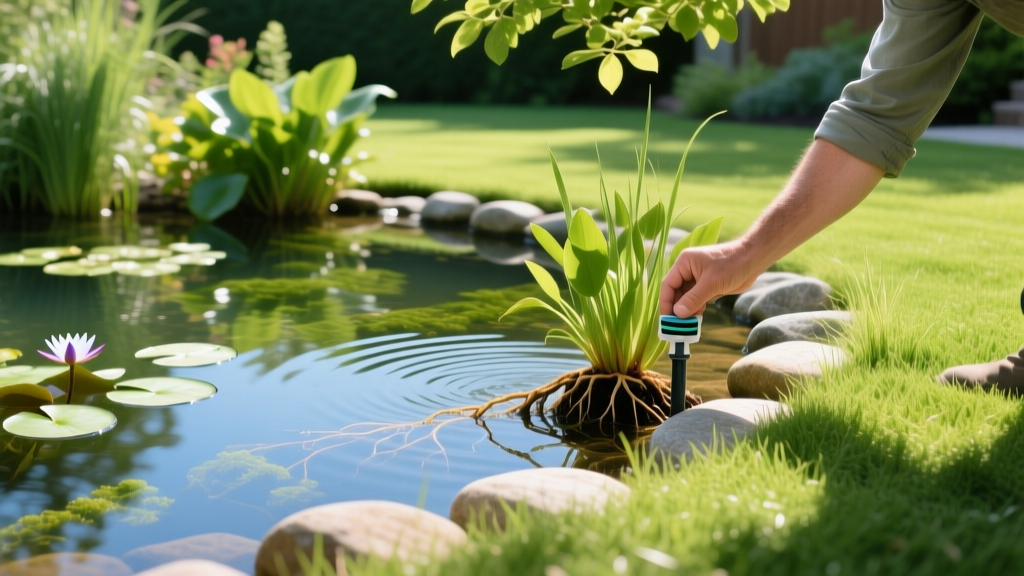
Troubleshooting Plants Found In Water: Pond Problem Fixes
Cultivating a thriving aquatic ecosystem requires managing a delicate balance of water chemistry, light penetration, and substrate biology. When plants found in water gardens begin to decline, the symptoms often manifest above the surface, but the root causes are almost always hidden below. Whether you are managing a formal koi pond, a naturalistic bog filter, or a container water garden, misdiagnosing aquatic plant stress leads to wasted money on incorrect treatments and eventual plant loss.
Unlike terrestrial gardening, aquatic environments suffer from anaerobic soil conditions, rapid nutrient lockout, and intense biological competition from algae. This guide provides a clinical diagnostic framework to identify failure modes in hydrophytes (aquatic plants) and deploy targeted, science-backed solutions to restore pond health.
The Diagnostic Matrix: Identifying Symptoms in Aquatic Flora
Visual cues on emergent and floating leaves are your primary indicators of sub-surface failures. Use this diagnostic matrix to pinpoint the exact stressor affecting your plants found in water before applying any chemical or physical interventions.
| Visual Symptom | Probable Cause | Immediate Action Protocol |
|---|---|---|
| Interveinal chlorosis (yellow leaves, green veins) | Iron deficiency / High pH lockout | Dose Fe-EDDHA chelated iron; test and lower pH below 7.5. |
| Uniform pale green/yellowing of older leaves | Nitrogen or Magnesium deficiency | Insert slow-release aquatic fertilizer spikes (NPK 2-3-1) into root zone. |
| Black, mushy roots with a sulfurous odor | Hydrogen sulfide toxicity (anaerobic rot) | Remove plant, trim dead roots, repot in heavy clay loam (no peat/perlite). |
| Stunted growth, small leaves, failure to bloom | Insufficient light / Algae shading | Install UV clarifier to clear suspended algae; prune overhanging terrestrial foliage. |
| Leaf margins turning brown and crispy | Low humidity (emergent plants) or salt toxicity | Increase misting for marginal plants; perform 20% water change to dilute salts. |
Substrate Failures: The Hidden Cause of Root Rot
The most frequent catastrophic error in water gardening is using standard terrestrial potting mixes for submerged containers. Potting soils rely on perlite, vermiculite, and peat moss for aeration and moisture retention. Underwater, perlite floats to the surface, creating a mess, while peat moss rapidly decomposes in anaerobic conditions, souring the water and dropping the pH.
More critically, the lack of oxygen in submerged soils allows anaerobic bacteria to thrive. These bacteria break down organic matter and release hydrogen sulfide (H2S) gas. If you pull a failing water lily from its pot and smell rotten eggs, your substrate has gone anaerobic, and the H2S is actively poisoning the root system.
The Correct Substrate Protocol
Plants found in water require heavy, mineral-rich substrates that do not decompose. Use a heavy clay loam topsoil or a specialized commercial aquatic media like Pond Logic Aquatic Planting Media or Fluorite. When potting marginal plants like rushes or irises, pack the soil tightly to eliminate air pockets, and cap the top 1 inch of the pot with pea gravel to prevent fish from excavating the soil and clouding the water column.
Nutrient Dynamics and Lockout in Water Gardens
Water chemistry dictates nutrient availability. A pond with a pH of 8.2 or higher will chemically lock out essential micronutrients, particularly iron and manganese, regardless of how much fertilizer is present in the soil. This is why aquatic plants in hard-water regions frequently suffer from severe chlorosis.
To bypass high-pH lockout, avoid standard iron supplements (like iron sulfate), which precipitate out of the water column almost immediately in alkaline conditions. Instead, use Fe-EDDHA chelated iron (such as Seachem Flourish Iron). The EDDHA chelation bond remains stable at pH levels up to 9.0, ensuring the iron remains bioavailable to the plant roots and submerged foliage. Apply at a rate of 5ml per 40 gallons of pond water, dosing directly near the root zones of heavy feeders like lotus and water lilies.
Solving the Algae Competition Crisis
Algae and aquatic plants compete for the exact same resources: nitrogen, phosphorus, and sunlight. When filamentous algae or suspended phytoplankton (green water) blooms occur, they coat the leaves of submerged oxygenators and shade out deep-water lilies, halting photosynthesis.
According to research from the University of Minnesota Extension, establishing a nutrient sink is the most effective long-term algae control method. You must stock enough fast-growing plants found in water to consume the available nitrates. Aim to cover 60% to 70% of the pond's surface area with floating plants (like water lettuce or frogbit) and broad-leaved lilies to physically block sunlight from reaching the algae.
For immediate clarification of green water without harming aquatic flora, install an inline Ultraviolet (UV) Clarifier, such as the Oase Vitronic series. Sizing is critical: calculate your pond's total gallonage and ensure the UV unit's flow rate matches your pump's output. A 36-watt UV clarifier will effectively destroy suspended single-celled algae in a 4,000-gallon pond within 7 to 10 days, restoring light penetration for your submerged plants.
⚠️ Invasive Species Alert: When selecting floating plants to shade your pond, strictly avoid Water Hyacinth (Eichhornia crassipes) and Giant Salvinia (Salvinia molesta) if you live in southern or coastal climates. The United States Environmental Protection Agency (EPA) classifies these as highly destructive invasive species that can double their biomass in two weeks, choking out native waterways and depleting dissolved oxygen. Always opt for sterile or native alternatives like American Frogbit or Water Snowflake.
Depth Calibration: Matching Plants to the Water Column
Hydrophytes are genetically programmed to grow at specific depths relative to the water's surface. Planting a marginal species in deep water will drown it, while placing a deep-water lily in shallow margins will result in stunted, scorched foliage.
- Deep Water (18 to 36 inches over the crown): Hardy water lilies (Nymphaea spp.) and large lotus (Nelumbo spp.). The water pressure and temperature stability at this depth protect the rhizomes from freezing in winter and overheating in summer.
- Shallow Margins (0 to 6 inches over the crown): Dwarf water lilies, water snowflake, and aquatic mint. These require warmer water temperatures to initiate blooming.
- Bog / Emergent Zone (Roots submerged, foliage entirely in the air): Cattails, pickerelweed, and sweet flag. Ensure the water line fluctuates no more than 2 inches to prevent the crown from drying out or suffocating.
Step-by-Step Recovery Protocol for Failing Pond Plants
If your plants found in water are exhibiting advanced decline (stunted growth combined with root rot), follow this exact rehabilitation sequence to save the specimen:
- Extraction and Inspection: Lift the pot from the pond. Gently remove the plant from the anaerobic soil. Inspect the rhizome or root ball.
- Surgical Trimming: Using sterilized bypass pruners, cut away all black, mushy, or foul-smelling root tissue. Trim back the foliage by 50% to reduce the plant's transpiration load while it rebuilds its root system.
- Substrate Replacement: Discard the sour soil. Rinse the pot and fill it with fresh, heavy clay loam or calcined clay aquatic media. Do not add organic compost or manure, which will trigger an ammonia spike in the pond.
- Targeted Fertilization: Push two API Pond Plant Fertilizer Spikes (or equivalent NPK 2-3-1 aquatic tabs) deep into the soil, exactly 2 inches away from the main rhizome to prevent fertilizer burn.
- Staged Reintroduction: Do not immediately return the plant to its deepest zone. Place the repotted plant on a shallow shelf (6 to 8 inches deep) for 14 days. The warmer, shallower water accelerates root regeneration. Once new emergent leaves appear, lower the plant to its permanent depth.
By diagnosing the specific environmental failure—whether it is anaerobic substrate, pH-induced nutrient lockout, or light competition from algae—you can transition from reactive guesswork to precise aquatic horticulture. Consistent monitoring of water parameters and substrate health ensures your water garden remains a balanced, thriving ecosystem.

