
Gardening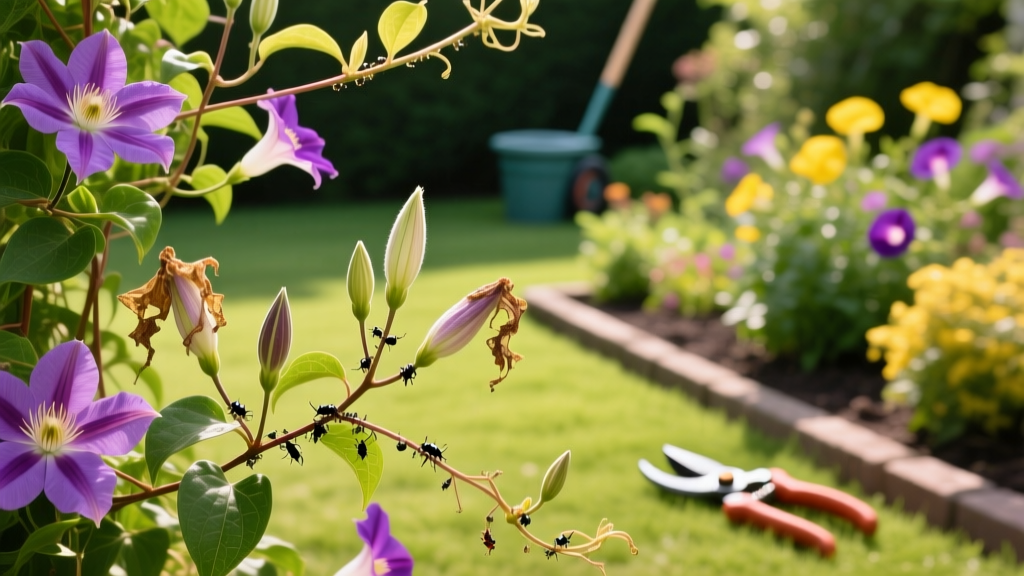
Why Your Vining Flowers Fail to Bloom: Diagnosis & Fixes
The Diagnostic Matrix: Identify Your Vine's Failure Mode
Vining flowers—ranging from delicate clematis and morning glories to robust mandevilla and jasmine—are prized for their vertical garden coverage and prolific blooms. However, when these climbers stall, wilt, or produce only foliage, the root cause is rarely a single factor. Diagnosing the exact failure mode requires observing the plant's physical symptoms and cross-referencing them with environmental conditions. Use the diagnostic matrix below to pinpoint the issue before applying any treatments.
| Primary Symptom | Probable Cause | Immediate Action Required |
|---|---|---|
| Lush green leaves, zero flower buds | Excess nitrogen; insufficient sunlight (less than 6 hours) | Halt nitrogen fertilization; apply high-phosphorus bloom booster; prune shading canopy. |
| Vine grows but repeatedly falls off trellis | Support structure diameter is too thick for twining stems | Attach 1/4-inch galvanized wire or thin bamboo stakes to the existing structure. |
| Sudden wilting of individual stems (base remains green) | Clematis wilt (Ascochyta clematidina) or physical stem trauma | Prune affected stems 2 inches below the wilted section; dispose in trash, not compost. |
| Yellowing lower leaves, stunted upward growth | Root rot from poor drainage or alkaline soil lockout (pH > 7.5) | Reduce watering frequency; apply soil acidifier; test drainage percolation rate. |
Support Structure Mismatches: The Hidden Trellis Problem
One of the most frequently overlooked reasons vining flowers fail to thrive is a biomechanical mismatch between the vine's climbing method and the trellis design. Vines climb using three distinct mechanisms, and providing the wrong support will cause the plant to expend massive energy trying to anchor itself, severely reducing bloom production.
Expert Insight: Twining vines like wisteria, morning glory, and honeysuckle wrap their main stems around supports. If your trellis uses 2x4 lumber, thick vinyl lattice, or PVC pipe greater than 1/2 inch in diameter, the vine will physically fail to wrap and will repeatedly slip off. Always ensure twining vines have access to supports under 1/2 inch thick.
Conversely, vines that use tendrils (like sweet peas and clematis) need thin, horizontal or diagonal cross-pieces to grab onto. A purely vertical, thick wooden fence will leave them with nothing to cling to. Vines with aerial rootlets (like climbing hydrangea and trumpet vine) require rough, porous surfaces like brick, bark, or untreated wood; they will slide right off smooth metal or painted vinyl fencing. Before planting, measure your trellis dimensions and match them to your specific vine's climbing anatomy.
Soil, Moisture, and the 'Cool Roots' Mandate
Many vining flowers, particularly clematis and climbing hydrangeas, operate on a strict microclimate requirement: warm heads and cool roots. When the soil surface overheats, the plant's fine feeder roots shut down, halting the uptake of water and phosphorus necessary for bud formation.
To maintain optimal root zone temperatures, apply a 2- to 3-inch layer of organic mulch (such as shredded hardwood or pine bark) around the base of the vine. However, a critical error many gardeners make is piling mulch directly against the main stem. This traps moisture against the bark, inviting fungal pathogens like Phytophthora root rot and clematis wilt. Always maintain a strict 3-inch mulch-free halo around the central stem. According to the Clemson University Home & Garden Information Center, maintaining consistent soil moisture without waterlogging is the primary defense against sudden vine collapse. If your soil is heavy clay, amend the planting hole with 30% compost by volume to improve percolation, aiming for a soil pH between 6.0 and 6.8 to ensure iron and phosphorus remain bioavailable.
Nutrient Imbalances: The Nitrogen Trap
Applying a standard lawn fertilizer or a balanced 10-10-10 garden feed to vining flowers is a primary driver of bloom failure. High nitrogen levels signal the plant to prioritize vegetative growth—resulting in massive, dark green leaves and aggressive stem elongation, but zero flower buds.
Correcting the N-P-K Ratio
To force bud initiation, you must restrict nitrogen and elevate phosphorus. Transition to a bloom-specific formulation with an N-P-K ratio of 5-10-10 or 3-5-3. Products like Espoma Organic Bloom! Liquid Plant Food (retailing around $12 to $15 per 32 oz bottle) or Jobe's Organics Vine Fertilizer spikes provide the necessary phosphorus without the nitrogen surge. Apply granular fertilizers at a rate of 1/2 cup per mature plant in early spring, scratching it lightly into the top inch of soil. Cease all fertilization by mid-July; late-season feeding promotes tender new growth that will be killed by the first autumn frost.
Pruning Group Errors: Cutting Off Next Year's Blooms
Improper pruning is responsible for more missing blooms than any pest or disease. Vining flowers, especially clematis and wisteria, are categorized into distinct pruning groups based on where they produce flower buds. Pruning at the wrong time literally cuts off the upcoming season's flowers.
- Group 1 (Blooms on Old Wood): Includes early-flowering clematis (e.g., Clematis alpina) and spring-blooming wisteria. These form buds in late summer on the previous year's growth. Rule: Never prune in winter or early spring. Prune only immediately after flowering finishes, removing dead wood and shaping the vine.
- Group 2 (Blooms on Old and New Wood): Includes large-flowered hybrid clematis. They produce an early flush of blooms on old wood, and a late flush on new growth. Rule: Prune lightly in late winter (February/March), removing only dead or weak stems above a pair of healthy buds. Do not cut back hard.
- Group 3 (Blooms on New Wood): Includes late-blooming clematis (e.g., Clematis terniflora), trumpet vine, and hardy hibiscus. Rule: Prune aggressively in late winter or early spring, cutting the entire vine back to 12–18 inches above the soil line. This prevents the plant from becoming a tangled, bare-bottomed mess and maximizes the new growth that will bear flowers.
Warning: If you are unsure of your vine's pruning group, do not prune it in late winter. Wait until spring, observe where the new buds break along the stems, and prune only the dead wood above those active buds. The University of Minnesota Extension recommends tagging your vines with their specific pruning group at the time of planting to prevent costly seasonal mistakes.
Pest and Pathogen Vectors
When environmental and structural factors are optimized, but the vine still looks distressed, inspect the undersides of the leaves and the new growing tips. Vining flowers are highly susceptible to sap-sucking insects and fungal foliar diseases due to the dense canopy they create, which restricts airflow.
Aphids and Spider Mites: These pests cluster on the tender apical meristems (growing tips), deforming new leaves and causing buds to abort before opening. A heavy infestation will coat the vine in sticky honeydew, leading to sooty mold. Treat early infestations with a sharp blast of water from a hose nozzle. For persistent colonies, apply a 2% solution of insecticidal soap or cold-pressed neem oil, spraying thoroughly at dusk to avoid leaf burn and protect daytime pollinators.
Powdery Mildew: Appearing as a white, talcum-powder dusting on leaves, this fungal disease thrives in high humidity and poor air circulation. It siphons nutrients from the plant, causing premature leaf drop and stunted blooms. Prevent it by spacing vines adequately and avoiding overhead watering. If an outbreak occurs, treat with a sulfur-based fungicide or a potassium bicarbonate spray (mix 1 tablespoon of potassium bicarbonate and 1/2 teaspoon of liquid non-detergent soap per gallon of water). Apply every 7 to 10 days until the humidity drops and symptoms resolve.
By systematically eliminating structural mismatches, correcting soil chemistry, and adhering to strict pruning timelines, you can redirect your vining flowers' energy away from survival and back into producing a dense, vibrant canopy of blooms.

