
Gardening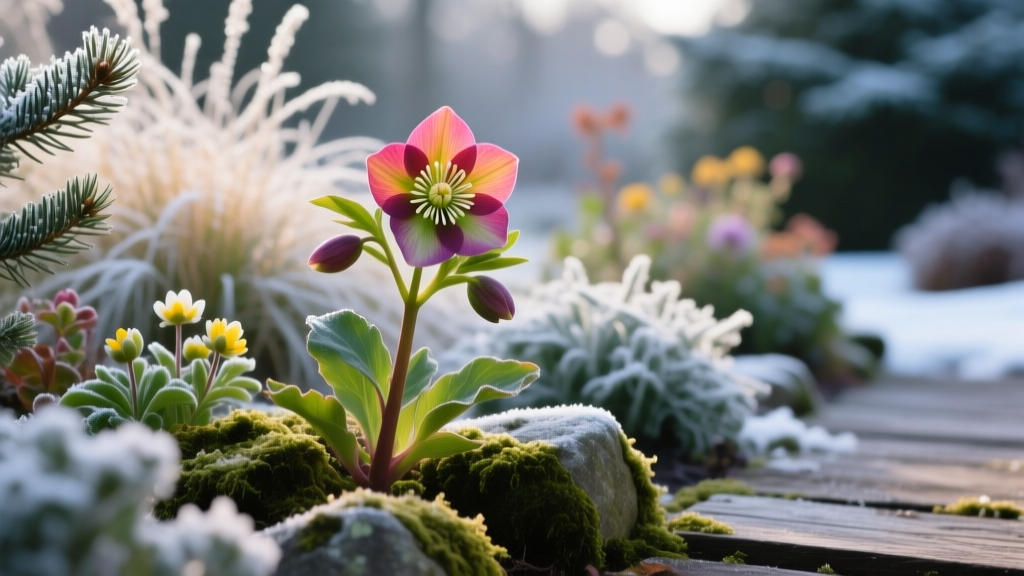
Regional Calendar: Choosing a Flower That Blooms in Winter
The Physiology of Cold-Weather Blooms
Gardening does not stop when the first frost arrives. Selecting the right flower that blooms in winter requires a fundamental understanding of plant physiology, specifically vernalization and chill-hour accumulation. Winter-blooming perennials and shrubs rely on prolonged exposure to temperatures between 32°F and 45°F to break dormancy. Without this thermal trigger, species like Helleborus and Camellia will produce foliage but fail to set buds. Furthermore, winter blooms possess specialized cellular antifreeze compounds—such as proline and soluble sugars—that lower the freezing point of their intracellular fluid, allowing petals to remain turgid even when ambient air temperatures dip into the mid-20s.
To successfully cultivate winter color, you must align your plant selections with your specific USDA Hardiness Zone and local microclimate. A south-facing brick wall can create a microclimate that is a full half-zone warmer than an exposed northern slope, drastically altering your planting calendar.
Regional Planting Calendar: Matching the Flower That Blooms in Winter to Your Zone
Zones 4–5: The Deep Freeze Survivors (-30°F to -10°F)
In regions with severe, prolonged winters, the window for winter blooming is narrow, typically opening during late February or early March as the snowpack begins to melt. The undisputed champions here are geophytes (bulbs and tubers) that utilize the insulating properties of snow cover.
- Winter Aconite (Eranthis hyemalis): These bright yellow, buttercup-like flowers push through frozen soil. Planting Protocol: Tubers must be soaked in lukewarm water for 24 hours prior to planting to rehydrate them. Plant 3 inches deep and 4 inches apart in early autumn. According to the Royal Horticultural Society, they require a soil pH of 6.8 to 7.5 and will naturalize aggressively in alkaline woodland edges.
- Snowdrops (Galanthus nivalis): Avoid planting dry bulbs in the fall, which carries a 60% failure rate due to desiccation. Instead, plant "in the green"—transplanting active, flowering clumps in late winter immediately after they finish blooming. The University of Minnesota Extension recommends dividing clumps every three years to prevent overcrowding and maintain bloom vigor.
Zones 6–7: The Transitional Belt (-10°F to 10°F)
This zone offers the most diverse palette for the gardener seeking a flower that blooms in winter. The ground freezes, but prolonged sub-zero temperatures are rare, allowing for deep-rooted perennials and early-blooming shrubs.
- Lenten Rose (Helleborus x hybridus): Blooming from January through March, Hellebores are shade-tolerant evergreens. Soil Architecture: They demand exceptional drainage. Amend heavy clay with 30% composted pine bark. Current 2026 nursery pricing for premium 1-gallon cultivars (like the 'Ice N' Roses' series) ranges from $18 to $28. NC State Extension notes that Hellebores prefer a neutral to slightly alkaline pH (6.5 - 7.5); apply garden lime annually if your soil tests below 6.0.
- Witch Hazel (Hamamelis x intermedia): prized for its fragrant, spidery ribbons of yellow, orange, or red that bloom on bare wood in February. Plant in full sun to partial shade, ensuring the root flare is level with the soil grade.
Zones 8–10: The Mild Winter Showcase (10°F to 40°F)
In mild climates, winter is the primary growing season. The challenge here is not extreme cold, but rather managing winter rainfall and preventing root rot in dormant species.
- Winter Daphne (Daphne odora): Produces intensely fragrant pink and white blooms in January. Critical Edge Case: Daphne is notoriously susceptible to Phytophthora root rot. Never plant it in flat ground; construct a raised berm at least 8 inches high using a mix of 40% native soil, 30% pumice, and 30% fine bark.
- Camellia (Camellia japonica): Offers massive, rose-like blooms from November through March. Requires acidic soil (pH 5.5 to 6.5). Feed with an acidifying fertilizer (like ammonium sulfate) in early spring after blooming ceases.
Winter Bloom Matrix: Data & Requirements
| Species | Common Name | USDA Zones | Peak Bloom Window | Target Soil pH | Required Chill Hours (<40°F) |
|---|---|---|---|---|---|
| Eranthis hyemalis | Winter Aconite | 4–7 | Feb – Mar | 6.8 – 7.5 | 800 – 1000 |
| Galanthus nivalis | Snowdrop | 3–7 | Jan – Mar | 6.0 – 7.0 | 600 – 800 |
| Helleborus x hybridus | Lenten Rose | 5–9 | Jan – Apr | 6.5 – 7.5 | 1000 – 1200 |
| Hamamelis x intermedia | Witch Hazel | 5–8 | Jan – Mar | 5.5 – 7.0 | 800 – 1200 |
| Daphne odora | Winter Daphne | 7–9 | Jan – Mar | 6.0 – 7.0 | 400 – 600 |
⚠️ Warning: The Frost Heave Trap
A common mistake is applying winter mulch too early to "keep the soil warm." This is counterproductive. Mulch should be applied after the first hard freeze (usually late November or early December) to keep the soil temperature constant. If you mulch while the soil is still warm, you trap heat, delaying dormancy and leaving the plant vulnerable to sudden cold snaps. Furthermore, alternating freeze-thaw cycles in late winter cause "frost heave," which physically pushes shallow-rooted plants like Heuchera and young Hellebores out of the ground, snapping their feeder roots. A 3-inch layer of shredded hardwood mulch applied post-freeze stabilizes the soil thermal mass and prevents heaving.
Troubleshooting Common Winter Bloom Failures
Even with perfect regional timing, winter gardening presents unique pathological and environmental challenges. Here is how to diagnose and correct the most frequent failure modes:
1. Camellia Bud Blast
Symptom: Swollen flower buds turn brown, dry out, and drop before opening.
Cause: A sudden temperature drop below 22°F after the buds have swollen and hydrated in late winter. The intracellular water freezes, rupturing the bud tissue.
Fix: For prized specimens in Zone 7, drape frost cloth (not plastic) over the shrub when a hard freeze is forecasted during the bud-swelling phase. Ensure the cloth reaches the ground to trap geothermal heat.
2. Hellebore Black Spot (Coniothyrium hellebori)
Symptom: Large, necrotic black patches on evergreen leaves, eventually spreading to the flower stalks.
Cause: Fungal spores overwintering in old foliage, activated by wet, stagnant winter air.
Fix: Practice "Hellebore grooming" in late December. Cut all old, overwintered foliage down to the crown before the new flower scapes emerge. This removes the fungal inoculum and provides the new blooms with a clean, disease-free backdrop. Dispose of the clippings in the trash, never in the compost pile.
3. Snowdrop Desiccation
Symptom: Bulbs fail to emerge in late winter; digging reveals hollow, papery bulb casings.
Cause: Planting dry bulbs in late fall. Snowdrop bulbs lack a protective tunic (the papery skin found on tulips or daffodils) and lose moisture rapidly when exposed to air.
Fix: Transition to planting "in the green" (potted, actively growing plants) in early spring, or source freshly lifted, moist bulbs from specialized nurseries in early autumn and plant them within 48 hours of receipt.
Frequently Asked Questions
Q: Can I force winter-blooming bulbs indoors if my outdoor soil is frozen solid?
A: Yes, through a process called vernalization forcing. Purchase pre-chilled bulbs (like Paperwhite Narcissus or prepared Hyacinths) or chill your own in a refrigerator at 35°F–40°F for 12 to 16 weeks. Keep them away from ethylene-producing fruits like apples and bananas, which will sterilize the flower buds. Once the chill requirement is met, pot them in a shallow container with drainage, water lightly, and place them in a bright, cool room (55°F–60°F) to initiate blooming.
Q: What is the best fertilizer for a flower that blooms in winter?
A: Do not fertilize winter bloomers while they are actively flowering in the cold. Fertilizing in mid-winter forces tender new growth that will be destroyed by the next freeze. Instead, apply a slow-release, balanced organic fertilizer (such as a 4-4-4 granular blend) in early autumn to build root reserves, and top-dress with compost immediately after they finish blooming in late winter to support spring vegetative growth.

