
Gardening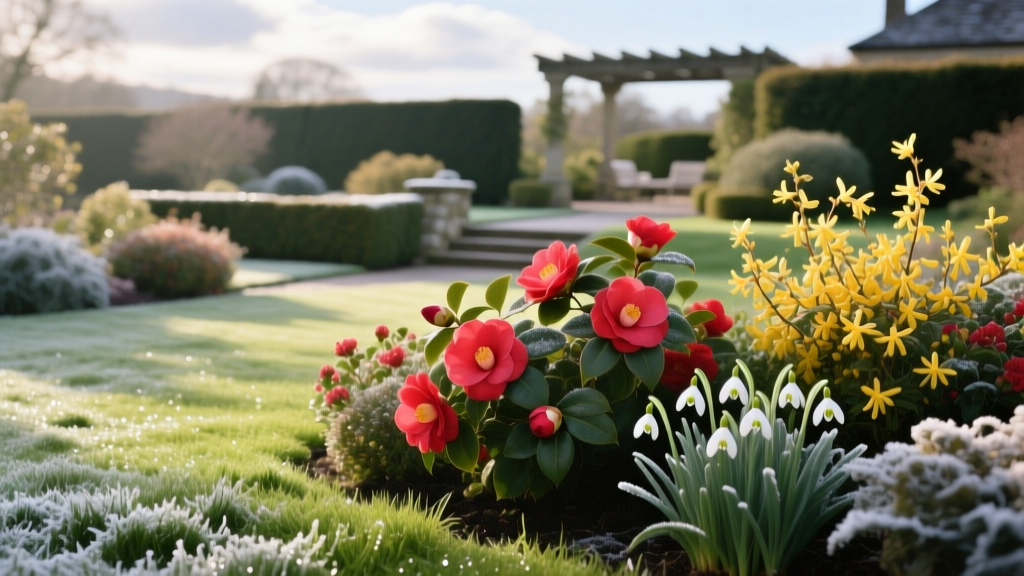
When to Plant Winter Flowering Plants: Regional Calendar
Decoding the Chill: How Winter Blooms Defy the Frost
Growing winter flowering plants requires a fundamental shift in how gardeners approach seasonal timing. Unlike spring ephemerals that are planted as soon as the soil thaws, cold-season bloomers rely on a critical autumn establishment window. The most common failure mode for winter gardens is planting too late; these species require a minimum soil temperature of 45°F to develop the fine root hairs necessary to uptake water during freezing air temperatures. If planted after the ground drops below this threshold, the plants will suffer severe desiccation and frost heave before they ever produce a single bud.
This guide provides a precise, zone-specific calendar for planting and blooming, ensuring your garden maintains vibrant color from November through March. By aligning your planting schedule with regional soil temperature curves, you can successfully cultivate species that thrive when the rest of the landscape is dormant.
USDA Hardiness Zone Planting & Blooming Calendar
The timing for installing winter flowering plants varies drastically depending on your USDA Hardiness Zone. In warmer zones, the planting window extends deep into winter, while northern zones require strict adherence to early autumn deadlines. Use the matrix below to schedule your garden installations.
| USDA Zone | Optimal Planting Window | Min. Soil Temp at Planting | Expected Bloom Window | Top Cultivar Recommendation |
|---|---|---|---|---|
| Zones 4-5 | Sept 1 – Sept 20 | 55°F | Late Feb – April | Helleborus 'Ice N' Roses' |
| Zones 6-7 | Sept 15 – Oct 15 | 50°F | Jan – March | Camellia japonica 'Debutante' |
| Zones 8-9 | Oct 15 – Nov 30 | 45°F | Dec – Feb | Jasminum nudiflorum |
| Zones 10-11 | Nov 1 – Dec 15 | 40°F | Nov – Jan | Eriogonum grande var. rubescens |
Top Winter Flowering Plants: Cultivar Picks & Regional Timing
Selecting the right genetics is just as important as timing. Below are three high-performance winter bloomers, their specific soil requirements, and regional management strategies.
1. Lenten Rose (Helleborus x hybridus)
Hellebores are the backbone of the shade-tolerant winter garden. According to the North Carolina State University Plant Toolbox, these evergreen perennials are hardy down to Zone 4 and produce nodding, cup-shaped flowers in shades of plum, cream, and slate. The 'Ice N' Roses' series is particularly valued for its upward-facing blooms and exceptional vigor.
- Soil pH: 6.5 to 7.5 (slightly alkaline to neutral).
- Planting Depth: The crown must sit exactly at the soil line. Burying the crown by even half an inch invites fatal crown rot during wet winter months.
- Fertilization: Apply a top-dressing of composted leaf mold in late October. Avoid high-nitrogen fertilizers, which promote soft, frost-susceptible foliage.
2. Winter Jasmine (Jasminum nudiflorum)
Unlike true jasmines, Winter Jasmine is unscented but makes up for it with a profusion of bright yellow, star-shaped flowers on bare, arching green stems. It is a scrambling shrub that excels when draped over retaining walls or trained along trellises in Zones 6 through 10.
- Pruning Timing: This species blooms on previous year's wood. Pruning must occur immediately after flowering ceases in early March. Pruning in autumn will remove all pending flower buds.
- Sun Exposure: Requires full sun (minimum 6 hours of direct winter light) to trigger heavy bud set.
3. Japanese Camellia (Camellia japonica)
Camellias provide large, rose-like blooms in the dead of winter. The 'Debutante' cultivar is a reliable, early-blooming selection with light pink, peony-form flowers. The NC State Extension notes that Camellias require highly specific acidic conditions to thrive and absorb iron efficiently.
- Soil pH: 5.5 to 6.5. If your native soil is alkaline, incorporate elemental sulfur at a rate of 1 pound per 100 square feet six months prior to planting.
- Microclimate Placement: Plant on the north or west side of structures. Exposure to early morning winter sun causes frozen flower buds to thaw too rapidly, resulting in severe bud scorch and drop.
Pro Tip: The 45°F Soil Threshold
Root growth in winter flowering plants halts when soil temperatures drop below 45°F. Use a digital soil probe thermometer to verify temperatures before planting. If the soil is already below 45°F, delay planting until late winter or keep the plants in their nursery pots, sunk into a temporary mulch bed, until spring.
Root growth in winter flowering plants halts when soil temperatures drop below 45°F. Use a digital soil probe thermometer to verify temperatures before planting. If the soil is already below 45°F, delay planting until late winter or keep the plants in their nursery pots, sunk into a temporary mulch bed, until spring.
Step-by-Step: Bed Preparation for Cold-Season Rooting
Winter soils are prone to compaction and waterlogging, which suffocate the fine roots of cold-season bloomers. Follow this exact preparation protocol to ensure optimal drainage and thermal retention.
- Amend for Drainage: Excavate the planting hole to twice the width of the root ball. Mix the native backfill with 30% coarse organic matter by volume. Composted pine bark fines are ideal for acid-loving Camellias, while shredded hardwood is better for Hellebores.
- Inoculate with Mycorrhizae: Dust the root ball with a granular mycorrhizal fungi inoculant (such as *Glomus intraradices*) at the time of planting. This symbiotic fungus extends the plant's root reach by up to 400%, crucial for accessing deep soil moisture during dry winter winds.
- Apply Thermal Mulch: After watering in the plant, apply exactly 3 inches of shredded hardwood mulch. Keep the mulch 2 inches away from the main stem to prevent vole habitation and stem girdling. This 3-inch layer buffers the soil against freeze-thaw cycles, maintaining a stable root zone temperature.
- Hydrate Before Freeze: Water the plants deeply (providing 1 inch of water) just before a predicted hard freeze. Moist soil retains heat up to four times better than dry soil, protecting the root zone from extreme temperature drops.
Troubleshooting: Frost Heave, Bud Drop, and Desiccation
Even with perfect timing, winter gardens face unique environmental stressors. Here is how to diagnose and correct the three most common winter bloom failures.
Frost Heave
Symptom: Plants are physically pushed upward out of the soil, exposing the crown and upper roots to freezing air.
Cause: Repeated freeze-thaw cycles in poorly drained or unmulched soil. Water in the soil freezes, expands, and pushes the root ball up.
Fix: Gently step the plant back into the ground when the soil thaws. Apply a 3-inch layer of shredded hardwood mulch immediately to insulate the soil and prevent rapid temperature fluctuations.
Winter Desiccation
Symptom: Evergreen foliage (like Hellebore leaves) turns crispy, brown, and papery at the edges, despite the soil being frozen.
Cause: Cold, dry winter winds pull moisture from the leaves faster than the frozen roots can replace it.
Fix: Erect a temporary burlap windbreak on the windward side of the plants. Apply an anti-desiccant spray (like Wilt Pruf) to the foliage in late November when temperatures are above 40°F to seal the leaf stomata.
Premature Bud Drop
Symptom: Swollen flower buds turn brown and fall off before opening, particularly in Camellias.
Cause: Sudden temperature spikes (such as early morning sun hitting frozen buds) or severe soil moisture fluctuations in late autumn.
Fix: Relocate susceptible plants to a northern exposure to keep them in deep winter shade. Maintain consistent soil moisture through November using drip irrigation until the ground freezes solid.
Frequently Asked Questions
Can I plant winter flowering plants directly into frozen ground?
No. If the ground is frozen, root establishment is impossible. Keep the plants in their nursery containers, group them together in a sheltered location, and surround the pots with straw or mulch to insulate the root balls. Plant them in the garden as soon as the soil thaws in late winter or early spring.
Do winter blooming plants require fertilizer during the cold months?
Do not apply fertilizer to dormant or semi-dormant winter plants. Their metabolic rate is too low to process nutrients, and excess salts from fertilizer can burn the roots. The only exception is a light top-dressing of organic compost in late autumn, which will slowly break down and become available when soil temperatures rise above 50°F in spring.
How do I protect winter flowers from heavy snow loads?
Most low-growing winter bloomers, like Snowdrops and Hellebores, are structurally adapted to handle snow, which actually acts as an insulating blanket. However, for taller woody shrubs like Winter Jasmine or Camellias, gently brush off heavy, wet snow using a soft-bristled broom. Never shake the branches, as frozen wood is highly brittle and will snap under mechanical stress.

