
Gardening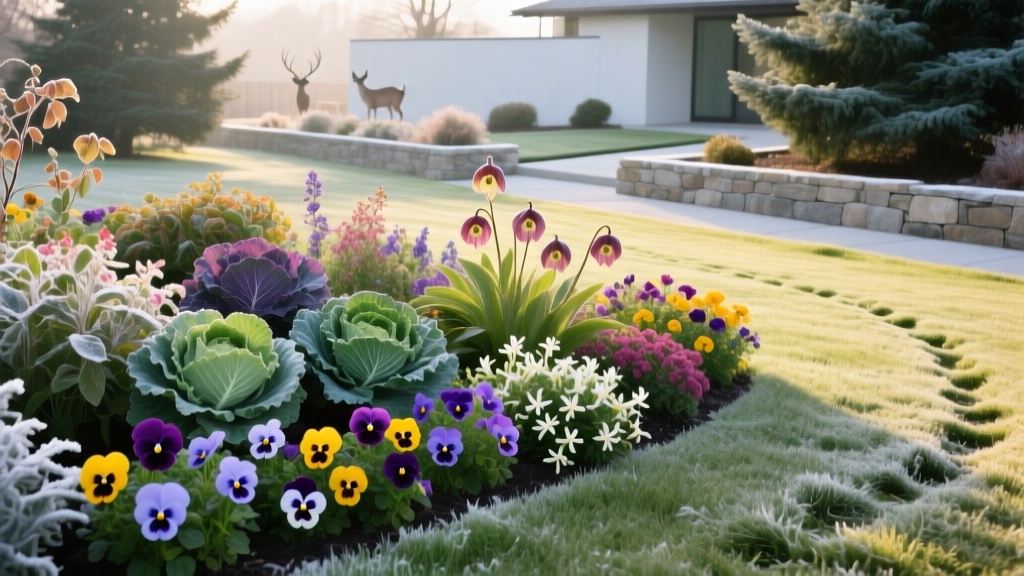
Regional Calendar for Winter Season Flowers: Zone Planting Guide
Understanding Microclimates and USDA Zones for Winter Blooms
Cultivating winter season flowers requires precise alignment between plant genetics, regional frost dates, and soil thermodynamics. While the USDA Plant Hardiness Zone Map provides a baseline for minimum extreme temperatures, winter blooming relies heavily on localized microclimates. A south-facing brick wall, for example, absorbs solar radiation during the day and releases it at night, effectively raising the immediate ambient temperature by 5°F to 10°F. This thermal mass can push a Zone 6b garden into a Zone 7a microclimate, allowing for the successful overwintering of marginal cultivars.
Pro Tip: Frost Pocket Avoidance
Never plant early-blooming winter flowers at the bottom of a slope. Cold air is denser than warm air and drains downhill, pooling in low-lying areas to create 'frost pockets' that can be up to 8°F colder than the surrounding landscape. Always position your winter blooms on mid-slopes or elevated beds.
Never plant early-blooming winter flowers at the bottom of a slope. Cold air is denser than warm air and drains downhill, pooling in low-lying areas to create 'frost pockets' that can be up to 8°F colder than the surrounding landscape. Always position your winter blooms on mid-slopes or elevated beds.
Regional Planting Calendar: When to Sow and Transplant
Timing is the most critical variable in establishing winter-blooming perennials and cold-hardy annuals. The goal is to achieve 80% root establishment before the ground freezes solid, which requires planting when soil temperatures are consistently between 45°F and 55°F. Below is a strategic planting matrix based on regional zones.
| USDA Zone | Optimal Planting Window | Soil Temp Target | Expected Bloom Period | Primary Focus |
|---|---|---|---|---|
| Zones 8-9 | Oct 15 - Nov 30 | 50°F - 60°F | November - March | Camellias, Winter Jasmine |
| Zones 6-7 | Sept 1 - Oct 15 | 45°F - 55°F | January - April | Hellebores, Violas |
| Zones 4-5 | April - May (for next year) | 55°F+ | Late Feb - April | Cold-Frame Pansies, Snowdrops |
Top Cultivars for Cold-Weather Performance
Selecting the right genetics dictates your success rate. Species-level plants often lack the prolonged bloom times and frost tolerance of modern hybrids. Focus on these specific cultivars for reliable winter color.
Hellebores (Lenten Rose)
Helleborus x hybridus is the cornerstone of the winter shade garden. According to NC State Extension, hellebores thrive in alkaline to neutral soils (pH 6.5 to 7.5). The 'Winter Jewels' series offers exceptional color retention, with flowers that persist on the stem for up to three months. For a striking white contrast, 'Ice N' Roses' (a sterile Helleborus x ericsmithii hybrid) produces upward-facing blooms that resist snow damage better than nodding varieties. Apply 5 lbs of garden lime per 100 square feet in early autumn if your soil pH drops below 6.0.
Winter Camellias
For Zones 7 and warmer, Camellia japonica provides massive, rose-like blooms from November through February. 'Kramer's Supreme' features deep red, peony-form flowers and exhibits higher cold tolerance than standard cultivars, surviving dips to 5°F when fully dormant. Camellias require acidic soil (pH 5.5 to 6.5). If your soil is too alkaline, incorporate elemental sulfur at a rate of 1 lb per 100 square feet to lower the pH by one full point. Never fertilize camellias after August; late-season nitrogen promotes tender flushes that will be destroyed by the first hard freeze.
Cold-Frame Annuals: The 'Sorbet' Viola Series
While pansies struggle when temperatures drop below 20°F, the Viola cornuta 'Sorbet' series is engineered for extreme cold. These violas can survive single-digit temperatures, especially when protected by a cold frame or a layer of floating row cover (Agribon AG-19). Plant them in a high-drainage mix containing 30% perlite to prevent root rot in wet winter soils, and drench the root zone with a liquid kelp extract (0-0-1) at planting time to stimulate rapid root hair development before the ground chills.
Soil Preparation and Thermal Mulching Techniques
Winter soil preparation differs fundamentally from spring gardening. The primary objective is not nutrient loading, but thermal regulation and moisture management. Winter soils are prone to waterlogging, which causes root asphyxiation and exacerbates freeze damage.
"The most common mistake gardeners make in winter is applying mulch too early. Mulch should only be applied after the first hard freeze to lock the cold in, preventing the soil from undergoing the destructive freeze-thaw cycles that cause frost heave." — Dr. Linda Chalker-Scott, Extension Horticulturist.
Thermal Mulching Protocol:
- Material Selection: Use shredded hardwood bark or pine straw. Avoid whole leaves, which mat down and create an anaerobic barrier that traps excess moisture against the plant crown.
- Application Depth: Apply exactly 2 to 3 inches of mulch. Anything deeper restricts oxygen exchange; anything less fails to insulate the root zone.
- The 'Donut' Method: Keep mulch 3 inches away from the main stem of camellias and the crown of hellebores to prevent vole nesting and stem rot.
Troubleshooting Winter Kill and Frost Heave
Even with perfect timing, winter season flowers face severe environmental stressors. Recognizing the mechanical and physiological failure modes allows for rapid intervention.
1. Frost Heave
Symptom: Plants are physically pushed out of the soil, exposing the root ball to freezing air. This occurs when soil moisture freezes and expands by 9%, lifting the topsoil layer.
Fix: Gently step on the soil around the plant to reseat the roots. Immediately apply a 2-inch layer of shredded mulch to insulate the soil and halt further freeze-thaw cycling. For severe cases, lift the plant, add compost to the void, and replant at the correct depth.
2. Winter Desiccation (Winter Burn)
Symptom: Evergreen foliage on camellias or hellebore leaves turns brown and crispy at the margins, despite the soil being frozen. This happens when transpiration (water loss through leaves) exceeds water uptake from frozen soil.
Fix: Apply an anti-desiccant spray, such as Wilt Pruf, when daytime temperatures are between 40°F and 50°F in late November and again in late January. This coats the stomata with a polymer film, reducing moisture loss by up to 50%. Ensure you spray the undersides of the leaves where the majority of stomata are located.
3. Botrytis Blight in Cold Frames
Symptom: Fuzzy gray mold appears on viola and pansy petals and leaves inside cold frames.
Fix: Botrytis thrives in high humidity and stagnant air. Open cold frame lids on any day the temperature exceeds 40°F to allow for air exchange. Remove all infected tissue immediately and apply a biological fungicide containing Bacillus amyloliquefaciens (such as Cease) every 10 days to protect remaining foliage.

