
Gardening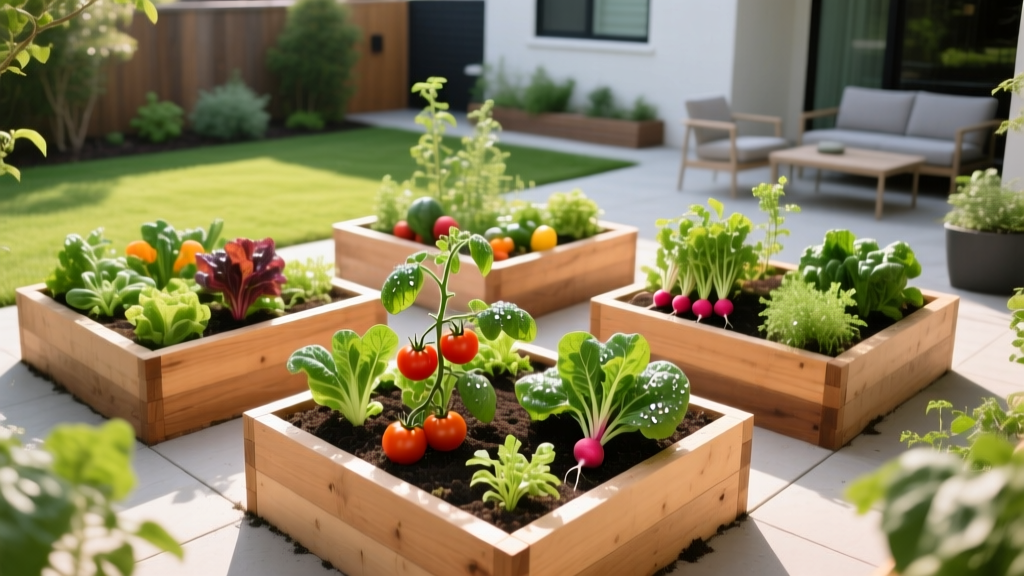
Space-Saving Veggie Garden Ideas for Small Gardens: Beginner Guide
Rethinking the Footprint: Intensive Spatial Planning
When working with limited square footage—whether a 4x4 raised bed, a narrow side yard, or a concrete balcony—traditional row cropping is mathematically inefficient. The most successful veggie garden ideas for small gardens rely on intensive spatial planning, shifting the focus from horizontal sprawl to vertical volume and high-yield cultivars. A well-designed 16-square-foot garden can produce over 100 pounds of fresh produce annually if configured correctly.
This guide bypasses generic advice and provides exact configurations, specific cultivar selections, and structural frameworks to maximize your yield per square foot.
The Square Foot Gardening Matrix
Developed by Mel Bartholomew and validated by modern horticultural extensions, square foot gardening divides your growing area into 1x1 foot grids. This eliminates wasted pathway space and forces precise planting. Below is the exact spacing and yield matrix for the highest-performing small-space crops.
| Crop Category | Specific Cultivar | Plants per Sq Ft | Days to Harvest | Estimated Yield per Plant |
|---|---|---|---|---|
| Bush Tomatoes | 'Patio Princess' or 'Tiny Tim' | 1 | 55-65 | 4-6 lbs |
| Cucumbers | 'Bush Pickle' or 'Salad Bush' | 2 (with trellis) | 50-60 | 15-20 fruits |
| Leafy Greens | 'Salad Bowl' Lettuce | 4 | 30-40 | Cut-and-come-again |
| Root Veggies | 'Little Finger' Carrots | 16 | 60-70 | 16 roots |
| Peppers | 'Lunchbox' Snack Peppers | 1 | 60-70 | 20-30 peppers |
Vertical & Container Configurations: A Decision Framework
Choosing the right physical structure depends entirely on your ground access and weight restrictions. Use this if/then framework to select your setup.
Scenario A: The Concrete Balcony (No Ground Access)
The Problem: Weight limits, zero soil depth, and high wind exposure.
The Solution: 5-gallon fabric grow bags (like GeoPot or Smart Pot) paired with a drip irrigation kit. Fabric pots air-prune roots, preventing the circling root-bound issues common in plastic containers.
Actionable Setup: Place three 5-gallon bags against the sunniest wall. Insert a 72-inch heavy-duty steel obelisk trellis directly into the center of each bag before filling with soil. Plant one determinate tomato or vining cucumber per bag. Connect a Raindrip automatic drip kit to your hose spigot to deliver exactly 1 gallon per day, preventing the rapid dry-out common in elevated containers.
Scenario B: The 4x4 Raised Bed (Ground Access)
The Problem: Maximizing a strict 16-square-foot boundary without shading out lower crops.
The Solution: A northern-aligned cattle panel arch or vertical nylon netting.
Actionable Setup: Install a 16-foot galvanized cattle panel, bending it into an arch over the bed, or secure it to the north-facing edge using T-posts. This allows vining crops (cucumbers, pole beans, indeterminate tomatoes) to climb vertically, leaving the 12 square feet below fully exposed to the sun for low-growing crops like lettuce and radishes.
Scenario C: The Narrow Side Yard (Under 3 Feet Wide)
The Problem: Insufficient width for traditional beds or walkways.
The Solution: Wall-mounted felt pocket planters or espaliered fruit trees.
Actionable Setup: Mount a heavy-duty felt vertical garden planter (such as VertiGro) on a south-facing fence. Fill pockets with a lightweight potting mix and plant shallow-rooted herbs, strawberries, and leafy greens. Avoid planting heavy fruiting crops like tomatoes in wall pockets, as the soil volume (usually under 1 gallon per pocket) cannot support their moisture demands during peak summer.
The Soil Science of Confined Roots
According to research from Cornell University Home Gardening, container and raised bed soils must balance moisture retention with rapid drainage. Native topsoil will compact and suffocate roots in confined spaces. You must engineer a custom soilless mix.
The Ultimate Small-Space Soil Recipe:
- 30% Coco Coir: A sustainable alternative to peat moss that retains moisture while resisting compaction.
- 30% Blended Compost: Use a mix of mushroom compost and leaf mold for diverse microbial life.
- 20% Coarse Vermiculite or Perlite: Ensures oxygen reaches the root zone and prevents waterlogging.
- 20% Worm Castings: Provides a slow-release, biologically active nutrient base.
Fertilizer Specs: Because frequent watering leaches nutrients from containers, you must supplement. Mix 2 cups of an organic granular fertilizer with an NPK ratio of 4-4-4 (such as Espoma Garden-tone) into every 5 gallons of soil before planting. Top-dress with 1/2 cup every four weeks during the active growing season.
Succession Planting Timeline for Continuous Harvests
Small gardens cannot afford empty soil. When one crop finishes, another must immediately take its place. Follow this timeline to keep your beds productive from spring through fall.
- Early Spring (March-April): Plant cold-tolerant crops like 'Bloomsdale' spinach, radishes, and snap peas. These mature in 30-45 days.
- Late Spring (May): Harvest spring crops and transplant heat-lovers. Swap peas for 'Bush Pickle' cucumbers; replace spinach with 'Salad Bowl' lettuce and basil.
- Mid-Summer (July): As early lettuce bolts in the heat, pull it and sow heat-tolerant 'Fordhook' Swiss chard or bush beans.
- Early Fall (September): Plant a second round of fast-growing radishes, garlic (for next year's harvest), and cold-hardy kale like 'Winterbor'.
Warning: The Overcrowding Trap
Beginners often ignore spacing guidelines, assuming more plants equal more food. In small spaces, overcrowding restricts airflow, creating a microclimate perfect for powdery mildew and blight. If a seed packet says 'thin to 12 inches', do exactly that. Pruning lower leaves on tomatoes to the first fruit cluster is non-negotiable for maintaining airflow in tight quarters.
Beginners often ignore spacing guidelines, assuming more plants equal more food. In small spaces, overcrowding restricts airflow, creating a microclimate perfect for powdery mildew and blight. If a seed packet says 'thin to 12 inches', do exactly that. Pruning lower leaves on tomatoes to the first fruit cluster is non-negotiable for maintaining airflow in tight quarters.
Frequently Asked Questions
Can I grow indeterminate tomatoes in a 5-gallon container?
Technically yes, but it requires aggressive pruning and a heavy-duty trellis. For beginners, determinate or dwarf varieties like 'Patio Princess' are vastly superior for 5-gallon pots because their genetics naturally cap their height at 24-36 inches, focusing energy on fruit production rather than endless vegetative growth.
How often should I water fabric grow bags on a hot balcony?
During July and August, 5-gallon fabric pots in direct sun may require watering twice daily. The porous fabric evaporates moisture rapidly. To mitigate this, place the bags inside slightly larger decorative ceramic pots (cache-pots) to create an insulating air gap that slows evaporation and protects roots from baking.
What is the best trellis material for small garden arches?
Concrete reinforcing wire (remesh) or galvanized cattle panels are the gold standard. They are rigid, rust-resistant, and can support the heavy weight of mature melons or squash when secured with heavy-duty zip ties or T-post clips. Avoid flimsy plastic netting, which degrades under UV exposure and snaps under the weight of wet foliage.
By implementing these specific layouts, engineered soil mixes, and succession timelines, you transform a tiny footprint into a highly calibrated food-producing system. For more regional planting dates and pest management strategies, consult the Old Farmer's Almanac Vegetable Gardening Guide to fine-tune your calendar to your exact hardiness zone.

