
Gardening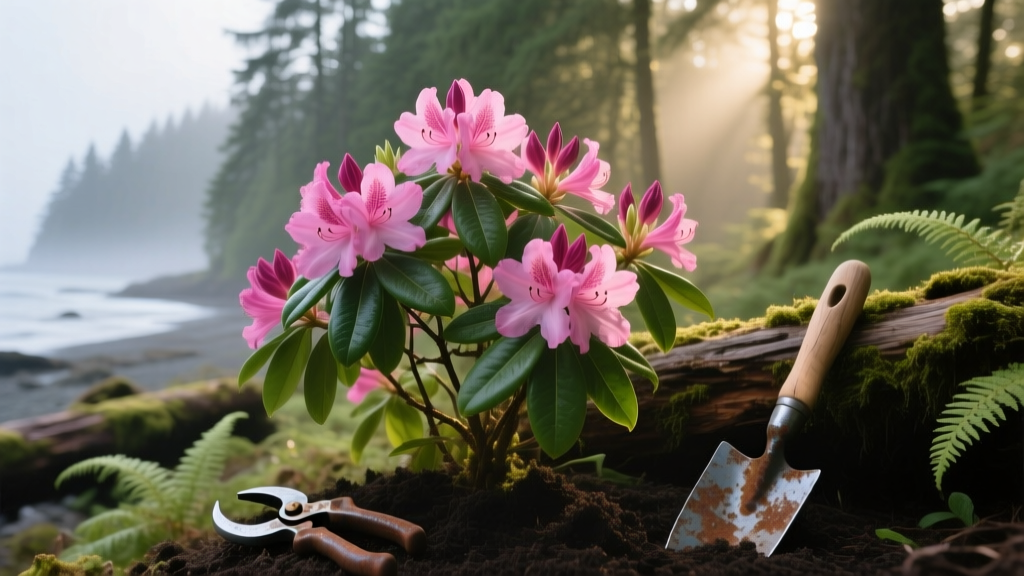
What Is Washington State's Flower? A Guide to the Coast Rhododendron
The Official Flower of Washington: Rhododendron macrophyllum
When asking what Washington state's flower is, the answer points directly to the Coast Rhododendron (Rhododendron macrophyllum). This broadleaf evergreen shrub is native to the Pacific Northwest, thriving in the damp, shaded understories of coastal and montane forests from British Columbia down to northern California. Officially designated as the state flower in 1959, its selection actually dates back to a pioneering women's vote in 1892, long before women had national suffrage.
For gardeners in USDA Hardiness Zones 7 through 9, the Coast Rhododendron offers a stunning, low-maintenance native alternative to imported ornamental shrubs. However, cultivating it requires strict adherence to its specific soil and moisture requirements. This guide covers exact identification markers, historical context, and actionable horticultural protocols for integrating this species into your landscape.
Botanical Profile and Identification Markers
Accurate identification is critical, as the Coast Rhododendron is frequently confused with invasive species or non-native ornamental hybrids. Below is the core botanical data for R. macrophyllum.
| Characteristic | Specification |
|---|---|
| Scientific Name | Rhododendron macrophyllum |
| Family | Ericaceae (Heath family) |
| Mature Height | 6 to 12 feet (up to 25 feet in deep old-growth forests) |
| Spread | 4 to 8 feet |
| Leaf Structure | 4-8 inches long, oblong, leathery, dark green above, pale beneath |
| Bloom Time | May through July |
| Flower Structure | Pale pink to deep rose, bell-shaped corolla, 10 prominent stamens |
| Soil pH Requirement | 4.5 to 5.5 (strongly acidic) |
Distinguishing from Invasive Lookalikes
The most common misidentification in Pacific Northwest landscapes is confusing the native Coast Rhododendron with English Laurel (Prunus laurocerasus), an aggressive invasive species. English Laurel leaves have a distinct serrated margin near the tip and emit a bitter almond or maraschino cherry odor when crushed due to cyanogenic glycosides. Coast Rhododendron leaves have smooth, slightly wavy margins and lack this odor. Furthermore, according to the Lady Bird Johnson Wildflower Center, native rhododendrons feature a distinct indumentum (a subtle fuzzy coating) on the underside of new leaves, which is entirely absent on Prunus species.
Historical Significance and the 1892 Vote
The selection of the Coast Rhododendron is a landmark moment in Washington's social history. In 1892, the state was preparing its exhibit for the 1893 World's Columbian Exposition in Chicago. Because women in Washington did not yet have the right to vote in official state elections, a group of pioneering women organized an unofficial, statewide referendum to select the state flower.
'Over 15,000 women cast ballots in the 1892 referendum, ultimately choosing the native Coast Rhododendron over the clover. The Washington State Legislature officially codified this choice into law (RCW 1.20.070) more than six decades later in 1959.'
— Washington State Legislature Archives
This early organizing effort laid crucial groundwork for the women's suffrage movement in the Pacific Northwest. You can review the exact legal codification of the state flower in the Revised Code of Washington (RCW 1.20.070).
Cultivation Protocols for Home Gardens
Growing Rhododendron macrophyllum outside of its natural forest habitat requires replicating the acidic, well-draining, and nutrient-rich conditions of the Pacific Northwest forest floor. Failure to manage soil chemistry is the primary cause of transplant mortality.
Soil Preparation and pH Management
Coast Rhododendrons suffer from iron chlorosis if the soil pH rises above 6.0. Before planting, test your native soil using a calibrated digital pH meter.
- If pH is 6.0 to 7.0: Apply elemental sulfur at a rate of 1.5 pounds per 100 square feet to lower the pH by one full point. Incorporate it into the top 6 inches of soil and wait 3 to 6 months before planting.
- Organic Matter: Amend the planting zone with a 50/50 mix of native soil and fine Douglas fir bark or composted pine needles. Avoid peat moss, which can become hydrophobic when dry.
Step-by-Step Planting Guide
- Dig the Hole: Excavate a hole twice as wide as the nursery container but exactly the same depth. Rhododendrons possess shallow, fibrous root systems that will rot if buried too deeply.
- Position the Root Flare: Place the shrub so the top of the root ball sits 1 inch above the surrounding grade. This prevents water from pooling around the main stem.
- Backfill and Tamp: Backfill with your amended soil mix, tamping gently to eliminate large air pockets without compacting the soil.
- Mulch Application: Apply a 2-to-3-inch layer of coarse pine bark mulch in a 3-foot radius around the base. Keep the mulch exactly 2 inches away from the main trunk to prevent collar rot.
- Initial Watering: Apply 2 gallons of water immediately after planting to settle the soil.
Horticultural Tip: Fertilize established Coast Rhododendrons in early spring (just before bud break) using an acid-loving organic fertilizer like cottonseed meal (6-2-0 NPK) at a rate of 1 cup per 3 feet of plant height. Avoid high-nitrogen synthetic fertilizers, which promote weak, leggy growth susceptible to frost damage.
Pest, Disease, and Troubleshooting Matrix
While native plants are generally resilient, R. macrophyllum is susceptible to specific pathogens when environmental stress occurs. Consult the Washington State University Hortsense Database for localized diagnostic updates.
| Symptom | Probable Cause | Actionable Solution |
|---|---|---|
| Leaves droop and fail to recover at night; yellowing between veins. | Phytophthora Root Rot (caused by poor drainage). | Improve soil aeration. Apply a phosphite-based fungicide (e.g., Agri-Fos) as a soil drench at 1/8 fl oz per gallon of water. |
| Leaves turn pale yellow while veins remain dark green. | Iron Chlorosis (soil pH too high). | Apply chelated iron (Fe-EDDHA) directly to the soil surface and water in. Re-test soil pH and apply elemental sulfur if needed. |
| Buds turn brown, dry out, and become covered in tiny black spines. | Rhododendron Bud Blast (fungal pathogen spread by leafhoppers). | Prune and destroy all infected buds immediately. Do not compost. Apply a copper-based fungicide in late summer to protect next year's buds. |
| Notches on leaf margins; adult beetles visible at night. | Black Vine Weevil (Otiorhynchus sulcatus). | Apply beneficial nematodes (Steinernema carpocapsae) to the soil in late summer when soil temperatures are above 55°F to target the larval stage. |
Toxicity and Safety Warnings
Like most members of the Ericaceae family, the Coast Rhododendron contains grayanotoxins in its leaves, flowers, and nectar. These compounds bind to sodium channels in cell membranes, which can cause severe cardiovascular and gastrointestinal distress if ingested.
Warning: Never plant Rhododendron macrophyllum in pastures accessible to livestock, particularly sheep and goats, which are highly susceptible to grayanotoxin poisoning. Additionally, do not use the branches or leaves as smoking wood or skewers for food preparation.
Frequently Asked Questions
Can I grow the Coast Rhododendron outside of Washington state?
Yes, provided you are in USDA Zones 7-9 and can replicate the required acidic soil (pH 4.5-5.5) and high humidity. It performs well in the coastal regions of Oregon, Northern California, and the milder microclimates of the Southeastern United States, provided it receives adequate afternoon shade to prevent leaf scorch.
How should I prune a mature Coast Rhododendron?
Never use mechanical hedge shears on a rhododendron. Shearing destroys the natural whorled branching structure and promotes dense exterior growth that blocks light to the interior, leading to dieback. Use sharp bypass hand pruners to make selective cuts just above a leaf whorl or dormant bud. Prune immediately after the spring bloom cycle concludes, usually by late July, to avoid removing next year's flower buds.
Why is my Coast Rhododendron not blooming?
Failure to bloom is typically caused by three factors: excessive nitrogen fertilization (which promotes foliage over flowers), improper pruning in late summer (which removes pre-formed buds), or insufficient light. While they require shade, R. macrophyllum needs bright, filtered dappled light to initiate flower bud formation. Deep, heavy shade will result in a leggy shrub with zero blooms.

