
Gardening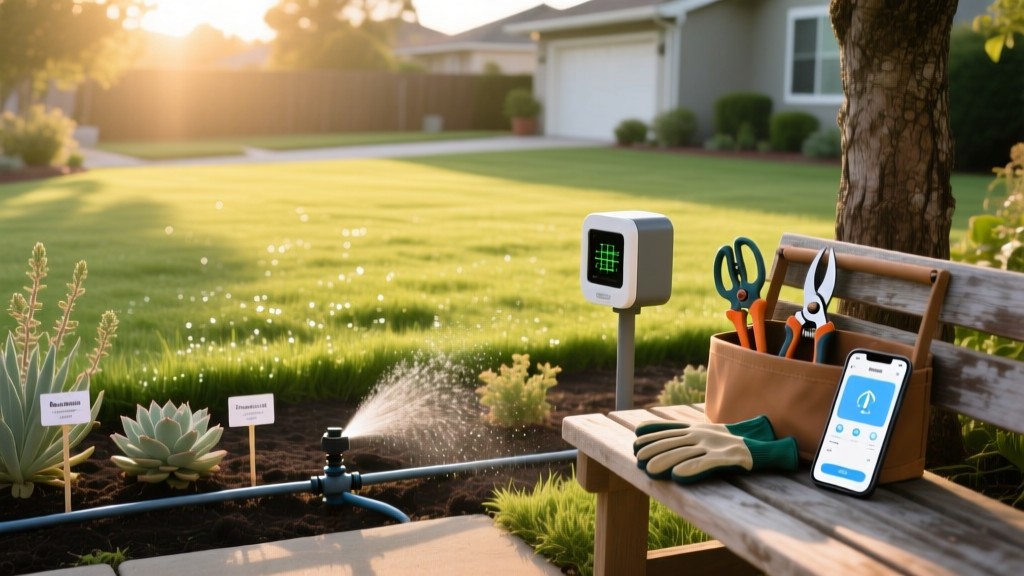
How to Water Plants When on Vacation: A Trip-Length Guide
The Plant-Vacation Diagnostic Matrix
Leaving your garden or indoor jungle unattended requires more than just giving everything a heavy soaking before you walk out the door. Overwatering causes root rot just as reliably as underwatering causes desiccation. To determine how to water plants when on vacation, you must first diagnose your specific scenario based on three variables: trip duration, plant evapotranspiration rates, and container material.
According to University of Minnesota Extension, a plant's water uptake is dictated by light intensity, ambient temperature, and root mass. A 10-inch Monstera in an unglazed terracotta pot will consume water three times faster than a 6-inch ZZ plant in a sealed plastic nursery pot. Use the diagnostic matrix below to identify your baseline risk before selecting a watering solution.
| Plant Category | Container Type | Max Days Unattended (Standard Conditions) | Primary Failure Mode |
|---|---|---|---|
| Succulents & Cacti | Unglazed Terracotta | 14 - 30 Days | Root rot from pre-trip overwatering |
| Tropical Foliage (e.g., Calathea, Ferns) | Plastic / Glazed Ceramic | 3 - 5 Days | Leaf crisp and edge necrosis from low humidity |
| Vegetable Seedlings & Annuals | Shallow Trays / Hanging Baskets | 1 - 2 Days | Complete wilting and capillary break in soil |
| Mature Outdoor Shrubs & Trees | In-Ground / Raised Beds | 7 - 10 Days | Deep soil moisture depletion |
Weekend Getaways (1-3 Days): Low-Tech Retention
For short trips, your goal is not to add water, but to retain existing moisture and reduce the vapor pressure deficit (VPD) around the leaves.
The Bathroom Humidity Tent Method
For high-transpiration tropicals, move them to a bathroom with a shower. Water them thoroughly, let them drain for 30 minutes, and group them tightly together on the counter. Grouping plants creates a localized microclimate where transpired moisture is trapped among the leaves. For extra protection, create a humidity tent using a clear plastic drop cloth draped over a PVC pipe frame. This raises ambient humidity to 80%+, effectively shutting down the plants' need to draw water from the soil.
Capillary Wicking for Seedlings
Seedlings in shallow trays will dry out in 24 hours under grow lights. To solve this, use a capillary wick system. You must use 100% cotton macramé cord (5mm to 8mm diameter). Synthetic blends like polyester are hydrophobic and will fail to pull water against gravity. Place a large reservoir bucket on a higher shelf, run the cotton cords into the water, and bury the opposite ends two inches deep into the seedling soil. The cotton fibers act as microscopic straws, delivering exactly the amount of water the soil can hold via capillary action.
Week-Long Trips (4-7 Days): Reservoirs and Matric Potential
When you cross the four-day threshold, passive retention is no longer enough. You must introduce a secondary water source that responds to soil dryness.
The Truth About Self-Watering Globes
Most cheap glass watering globes sold online fail because they rely on gravity and air displacement. When inserted into soil, they often dump their entire volume in 12 hours, drowning the plant. The Penn State Extension notes that soil moisture must be regulated by the plant's actual uptake rate.
Expert Recommendation: Use the Plant Nanny 6051 Glass Globe Set (approx. $25 for 4 units). The critical difference is the terra-cotta stake. Terra-cotta is porous and relies on matric potential—water only leaves the clay stake when the surrounding soil dries out and creates a physical suction force. This prevents flooding and paces the water release over 5 to 7 days.
Outdoor Drip Irrigation Timers
For patio containers and raised beds, a simple hose timer connected to a drip line is the most reliable solution. The Melnor AquaTimer 1-Zone (approx. $35) allows you to program a 15-minute watering cycle every 48 hours. Connect this to a Raindrip R560DP Automatic Container Watering Kit (approx. $45), which includes 50 adjustable drip emitters. Set the emitters to deliver 1 gallon per hour (GPH) each. This ensures deep soil penetration without runoff.
Extended Absences (8-14+ Days): Smart Tech and Automation
Trips lasting over a week require dynamic systems that can adapt to weather changes or hold large water volumes. Static reservoirs will run dry by day 9 in peak summer heat.
Smart Hose Timers with Weather Adaptation
If your outdoor garden relies on hose-fed drip lines, upgrade to a smart timer like the B-hyve XR Smart Hose Faucet Timer (approx. $70). Unlike basic timers, the B-hyve XR connects to local weather stations via Wi-Fi and will automatically skip a scheduled watering cycle if rain is forecasted, preventing waterlogged soil during unexpected summer storms.
Critical Setup Note: The B-hyve XR timer communicates via Bluetooth to a proprietary Wi-Fi hub. You must purchase the bundle that includes the hub (approx. $99 total). The hub requires a dedicated 2.4GHz Wi-Fi network. If your router only broadcasts a combined 2.4/5GHz SSID, you must temporarily split the bands in your router settings to ensure the hub connects successfully before you leave.
Capillary Matting for Large Indoor Collections
For 10+ indoor plants, individual globes are tedious and prone to failure. Instead, utilize commercial capillary matting (often sold as Visa Polypropylene Matting). Line a large, shallow waterproof tray (like a boot tray) with the matting, saturate it with water, and place your potted plants directly on top. Ensure the pots have drainage holes and are made of unglazed terracotta or fabric, which allows the matting to pull water directly into the root zone. A single 2x4 foot saturated mat can sustain a dozen 6-inch potted plants for up to 12 days.
Pre-Departure Warning: Never apply liquid or granular fertilizer in the 7 days leading up to your vacation. Fertilizer salts increase the osmotic pressure in the soil, which forces the plant to consume significantly more water to prevent root burn. If an automated system fails or a wick clogs, fertilized soil will accelerate desiccation and cause severe fertilizer burn.
Pre-Departure Checklist: 48 Hours Before You Leave
Execute this sequence two days before departure to catch any mechanical failures while you are still home to fix them.
- Test All Timers: Run your B-hyve or Melnor timer through one manual cycle. Check every single drip emitter to ensure none are clogged with calcium deposits. Flush the lines for 2 minutes if you notice uneven dripping.
- Prune and Deadhead: Remove all dying leaves, open flowers, and buds. Flowers consume massive amounts of water and energy. Forcing the plant into a vegetative state reduces its overall water demand.
- Relocate from Direct Sun: Move indoor plants 3 to 5 feet away from south and west-facing windows. Reducing light intensity by 40% will proportionally reduce the plant's transpiration rate without causing etiolation over a two-week period.
- Mulch Outdoor Containers: Apply a 2-inch layer of arborist wood chips or straw to the topsoil of all outdoor patio pots. The EPA WaterSense program notes that organic mulch can reduce surface soil evaporation by up to 70%, drastically extending the time between required watering cycles.
Frequently Asked Questions
Will ice cubes work to water plants while I am away?
No. The ice cube method is a persistent myth. Placing ice cubes on the soil surface causes localized thermal shock to the shallow feeder roots, which are highly sensitive to temperature drops. Furthermore, as the ice melts, it only wets the top inch of soil, failing to reach the deeper root mass and encouraging shallow, weak root growth.
Can I put my indoor plants in the bathtub with water?
Only if the pots have excellent drainage and you elevate them. Sitting terracotta or plastic pots directly in a flooded bathtub will lead to anaerobic soil conditions and root rot within 48 hours. If you must use a bathtub, place the pots on an inverted wire cooling rack or a layer of gravel so the bottom of the pot is only barely touching the water line, allowing for slow capillary uptake.

