
Gardening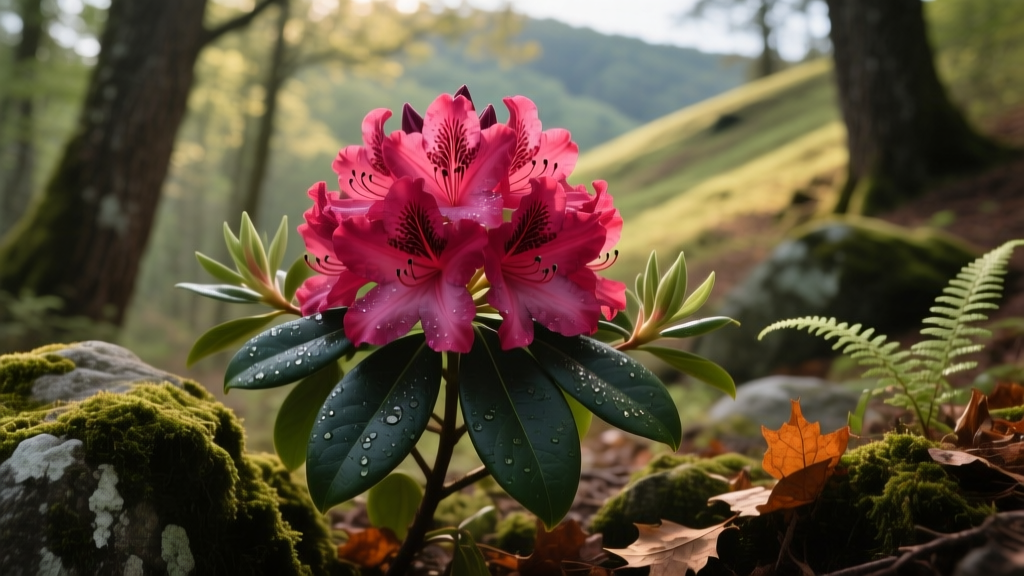
What Is the State Flower of West Virginia? A Guide to Growing Rhododendron maximum
Identifying the Mountain State's Floral Emblem
If you are researching native Appalachian flora or simply asking, 'what is the state flower of West Virginia,' the answer is the magnificent Rhododendron maximum. Commonly known as Great Laurel, Rosebay Rhododendron, or simply Rhododendron, this broadleaf evergreen shrub was officially adopted as the state flower in 1903. While it shares its genus with thousands of hybrid ornamental azaleas, the native Rhododendron maximum is a distinct, towering species that dominates the understory of the Appalachian Mountains.
For home gardeners and landscaping professionals, understanding the specific botanical traits and cultivation requirements of this native shrub is essential. Unlike highly bred nursery hybrids that demand constant coddling, the Great Laurel is a resilient, shade-tolerant powerhouse when planted in the correct microclimate.
Botanical Profile & Identification Traits
Before incorporating this plant into your landscape, it is crucial to verify you are sourcing the true native species rather than a look-alike hybrid. Below is the definitive botanical breakdown based on data from the USDA Plants Database.
| Characteristic | Specification |
|---|---|
| Scientific Name | Rhododendron maximum |
| Family | Ericaceae (Heath family) |
| Mature Height | 10 to 15 feet (occasionally up to 20 feet in deep shade) |
| Mature Spread | 8 to 12 feet |
| Foliage | Evergreen, leathery, oblong leaves (4 to 8 inches long) that curl downward in freezing temperatures to prevent moisture loss |
| Bloom Time | Late June to July (blooms later than most spring-flowering rhododendrons) |
| Flower Color | Pale pink to white with distinct yellow-green spotting on the upper petal |
| USDA Hardiness Zones | 4 to 8 |
The History Behind the State Flower
Historical Context: The push for a state flower began around the 1893 World's Columbian Exposition in Chicago, where states were encouraged to select floral emblems. In West Virginia, the initiative gained traction when Mrs. E.B. Reynolds of Wirt County championed the Rhododendron. According to the West Virginia Encyclopedia, the legislature officially adopted the flower on January 29, 1903, following a vote by the state's schoolchildren who favored the abundant, native bloom over other regional candidates.
How to Grow Rhododendron maximum: A Step-by-Step Guide
Growing the state flower of West Virginia requires mimicking its native Appalachian woodland environment. The most common cause of failure in home landscapes is improper soil chemistry and planting depth. Follow these precise steps for establishment success.
Step 1: Site Selection and Light Requirements
Great Laurel thrives in dappled shade or partial shade. It requires protection from harsh, direct afternoon sun, which scorches the broad evergreen leaves and causes rapid moisture depletion. Ideal locations include the north or east side of a building, or beneath the canopy of deep-rooted deciduous trees like oaks or hickories. Avoid planting beneath shallow-rooted trees like maples or birches, which will aggressively outcompete the rhododendron for water.
Step 2: Soil Testing and pH Adjustment
This is the most critical step. Rhododendron maximum requires highly acidic soil with a pH strictly between 4.5 and 5.5. If your soil pH is above 6.0, the plant will suffer from iron chlorosis and eventually die.
- Testing: Use a digital soil pH meter or send a sample to your local university extension office.
- Lowering pH: If your soil tests at 6.5, apply 1.5 pounds of elemental sulfur per 100 square feet to lower the pH by one full point. Incorporate this into the top 6 inches of soil at least three months before planting.
- Organic Matter: Amend the native soil with a 50/50 mix of pine bark fines and peat moss to improve aeration and moisture retention.
Step 3: Precise Planting Depth
Rhododendrons possess a dense, fibrous, and extremely shallow root system. Digging a deep hole will guarantee failure.
- Dig a hole that is exactly the same depth as the root ball, but twice as wide.
- Place the shrub in the hole so that the root flare (where the trunk meets the roots) sits 1 to 2 inches above the surrounding soil grade.
- Backfill with the amended soil mixture and water deeply to eliminate air pockets.
Step 4: Mulching for Moisture and Temperature Control
Apply a 3-inch layer of organic mulch, such as composted pine needles or shredded oak leaves, over the root zone. This maintains soil acidity, keeps the shallow roots cool during summer, and prevents winter frost heaving. Warning: Keep the mulch at least 3 inches away from the main trunk to prevent collar rot and deter vole damage.
Troubleshooting: Pests, Diseases, and Disorders
Even when properly sited, environmental stressors can invite specific pathogens. According to NC State Extension, accurate identification of symptoms is required before applying any treatments.
Symptom: Yellowing Leaves with Green Veins (Chlorosis)
- Cause: Iron deficiency triggered by soil pH rising above 5.5, which locks up iron in the soil.
- Fix: Apply a liquid chelated iron drench directly to the root zone for immediate greening. Follow up with elemental sulfur to permanently correct the soil pH.
Symptom: Sudden Wilting and Dieback of Individual Branches
- Cause: Botryosphaeria dothidea (Botryosphaeria canker), a fungal pathogen that enters through drought-stressed tissue or pruning wounds.
- Fix: Prune the affected branch at least 6 inches below the visible brown discoloration in the wood. Sterilize your bypass pruners with 70% isopropyl alcohol between every single cut to prevent spreading the spores. Dispose of clippings in the trash, not the compost.
Symptom: Sawdust-like Frass at the Base of the Trunk
- Cause: Rhododendron Borer (Synanthedon rhododendri), a moth larvae that tunnels into the main stems.
- Fix: Inject beneficial nematodes (Heterorhabditis bacteriophora) into the borer holes and surrounding soil during late summer when larvae are active. Avoid broad-spectrum chemical insecticides, which harm native pollinators and fail to reach the larvae inside the wood.
Companion Planting for Acid-Loving Landscapes
When designing a garden bed around your West Virginia state flower, select companions that share the same acidic soil and shade requirements. This creates a unified, low-maintenance woodland ecosystem.
| Companion Plant | Scientific Name | Design Function |
|---|---|---|
| Mountain Laurel | Kalmia latifolia | Provides mid-spring blooms just before the Rhododendron peaks; shares identical pH needs. |
| Highbush Blueberry | Vaccinium corymbosum | Adds edible functionality and brilliant red fall foliage to contrast with evergreen leaves. |
| Ostrich Fern | Matteuccia struthiopteris | Fills the bare lower canopy with bright green, textural fronds that go dormant in winter. |
| Wild Ginger | Asarum canadense | Acts as a living, shade-tolerant groundcover that suppresses weeds without competing deeply. |
Frequently Asked Questions
Can I grow the West Virginia state flower in full sun?
No. While some alpine rhododendron species tolerate full sun, Rhododendron maximum is an understory species. Full sun exposure will result in stunted growth, severe leaf scorch, and increased susceptibility to lace bugs. Limit direct sunlight to early morning hours only.
When is the correct time to prune Great Laurel?
Pruning should only be done immediately after the shrub finishes blooming in late July. The plant sets its flower buds for the following year in late summer and early fall. Pruning in winter or early spring will remove the pending blooms. Furthermore, Rhododendron maximum rarely requires structural pruning; limit your cuts to the removal of dead, diseased, or crossing branches.
Is Rhododendron maximum toxic to pets?
Yes. All parts of the plant contain grayanotoxins, which are highly toxic to dogs, cats, and horses if ingested. Symptoms include vomiting, diarrhea, and cardiovascular distress. If you have pets that habitually chew on garden foliage, consider fencing off the planting area or selecting a non-toxic native alternative like the Sweetshrub (Calycanthus floridus).

