
Gardening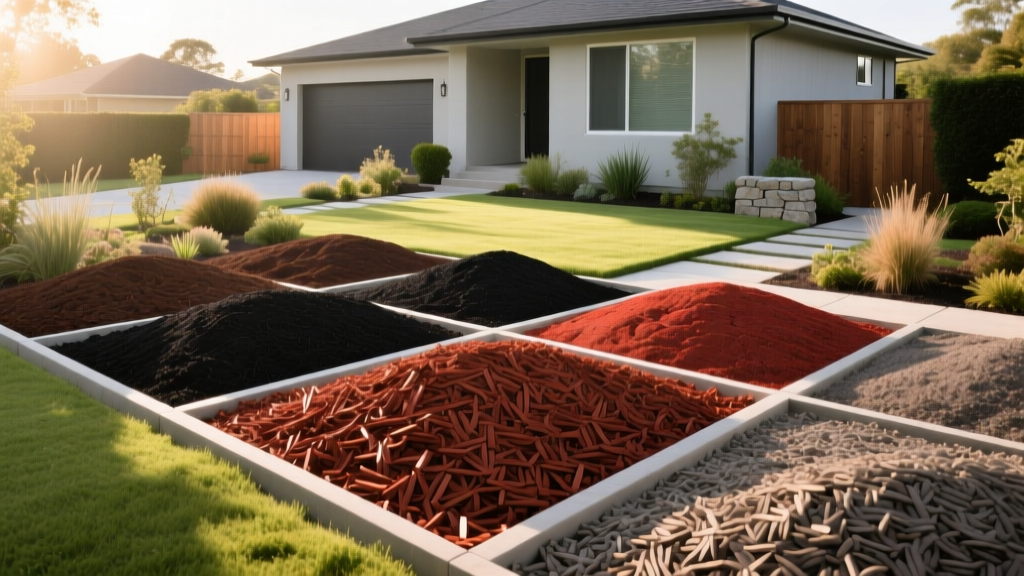
What Color Mulch Looks Best: Matching Your Home and Garden Beds
Choosing the right mulch color is a dual exercise in landscape architecture and soil science. While homeowners often ask what color mulch looks best based purely on curb appeal, the pigment of your mulch directly influences soil thermodynamics, moisture retention, and the chemical breakdown of organic matter. Aesthetic harmony with your home’s exterior is only half the equation; the other half is ensuring the mulch supports the specific microclimate your plants require.
The Visual Impact: Matching Mulch to Your Home's Exterior
The most common mistake in landscape design is selecting a mulch color that clashes with the permanent structures of the property. Mulch should act as a unifying frame for your garden beds, not a distracting focal point. Use this decision matrix to pair your home's exterior materials with the most complementary mulch colors.
| Home Exterior Material & Color | Best Mulch Color Match | Design Rationale |
|---|---|---|
| White or Light Gray Vinyl/Siding | Dyed Black or Dark Brown | Creates high contrast, making green foliage and colorful blooms pop against the bright siding. |
| Red Brick or Terracotta | Natural Cedar (Light Brown) | Red mulch clashes terribly with red brick, creating a muddy, monochromatic look. Natural brown provides a neutral buffer. |
| Dark Gray or Black Stone/Stucco | Natural Hemlock or Red-Brown | Black mulch disappears against dark homes. Warm red-brown introduces necessary visual warmth and contrast. |
| Yellow or Beige Wood Siding | Dyed Black or Natural Pine | Black grounds the light exterior, while natural pine offers a soft, monochromatic woodland aesthetic. |
The Hidden Science: How Mulch Color Affects Soil and Plants
Beyond aesthetics, mulch color dictates how much solar radiation your soil absorbs. According to research from Penn State Extension, the thermal properties of mulch can alter root-zone temperatures by several degrees, which dictates plant selection and watering schedules.
Black Mulch: The Heat Absorber
Dyed black mulch is typically colored using carbon black, a highly stable pigment. Because it absorbs nearly all visible light, black mulch can raise the top two inches of soil temperature by 2°F to 5°F compared to bare soil.
Best for: Cool northern climates where extending the spring growing season is beneficial, and shade gardens where soil tends to remain too cool and damp.
Red Mulch: The Iron Oxide Factor
Red mulch is dyed using iron oxide (rust). While it provides a vibrant, manicured look, it reflects red light and absorbs other wavelengths, resulting in moderate soil heating.
Best for: Commercial landscapes and modern architectural designs. Note: Red mulch is often manufactured from recycled construction wood (pallets). While the iron oxide dye is non-toxic, the high carbon-to-nitrogen ratio of the recycled wood can cause temporary nitrogen tie-up at the soil surface as it decomposes.
Natural Brown: The Fading Organic
Undyed hardwood, cedar, or hemlock mulch relies on its natural lignin color. It provides the most neutral backdrop for plants but is highly susceptible to UV degradation.
Best for: Woodland gardens, native plant landscapes, and vegetable gardens where chemical dyes are undesirable.
⚠️ Edible Garden Warning: Never use dyed black or red mulch in vegetable beds or around fruit-bearing shrubs. The dyes, while generally deemed safe for ornamentals by the Mulch & Soil Council, are often applied to recycled wood that may contain trace amounts of chromated copper arsenate (CCA) or other chemical residues from prior use. Stick to natural, undyed cedar or straw for edibles.
Climate Considerations: Regional Mulch Color Strategies
What color mulch looks best in Maine will perform terribly in Arizona. Your regional climate must override pure aesthetic preference if you want to maintain plant health.
- Hot, Arid Climates (Zones 8-11): Avoid black mulch entirely. The intense solar absorption will bake the root zones of shallow-rooted perennials and increase evaporation rates. Opt for natural light-brown mulch or even inorganic light-colored gravel to reflect heat.
- Cold, Northern Climates (Zones 3-5): Black mulch is highly advantageous here. The heat absorption helps thaw the soil faster in early spring, stimulating earlier root activity for trees and shrubs.
- High-Rainfall Regions (Pacific Northwest, Southeast): Dyed mulches hold their color better in heavy rain than natural mulches, which tend to wash out, compact, and turn gray within a single wet season. Hemlock or heavily composted dark brown bark is ideal for resisting fungal growth in damp conditions.
Fading, Maintenance, and Cost Breakdown
The initial color of mulch is rarely its permanent color. UV radiation and microbial breakdown will alter the appearance of your landscape within months. Understanding the lifecycle and cost of different mulch types prevents budget overruns.
According to landscape supply data and guidelines from UMass Extension, a standard application requires 3 inches of depth, meaning one cubic yard covers approximately 100 square feet. Here is how the colors and types compare in longevity and cost for 2026:
| Mulch Type & Color | Avg. Cost (Per Cubic Yard) | Color Longevity | Decomposition Rate |
|---|---|---|---|
| Natural Hardwood (Brown) | $30 - $40 | Fades to gray in 3-5 months | Fast (adds organic matter quickly) |
| Dyed Black (Hardwood) | $40 - $55 | Retains dark color for 12-18 months | Slow (dye slows microbial breakdown) |
| Dyed Red (Recycled Wood) | $40 - $50 | Retains red hue for 12-18 months | Moderate to Slow |
| Natural Cedar (Light Brown) | $45 - $60 | Fades to silver/gray in 6-8 months | Very Slow (natural rot resistance) |
Step-by-Step: How to Test Mulch Colors Before Buying in Bulk
Ordering 10 cubic yards of bright red mulch only to realize it clashes with your stone retaining wall is an expensive mistake. Follow this testing protocol before committing to a bulk delivery:
- Buy Sample Bags: Purchase one 2-cubic-foot bag of the top three colors you are considering from a local garden center.
- Create Test Patches: Lay down a tarp in three separate areas of your garden bed. Pour a small pile of each mulch color onto the tarp.
- Observe at Different Times: Mulch colors shift dramatically in different light. Red mulch can look vibrant at noon but turn a muddy, dark brown at dusk. Black mulch can look rich in the shade but appear dusty and gray in direct, harsh sunlight.
- Wet the Samples: Spray each pile with a hose. Mulch always looks darker and richer when wet. Since your mulch will be wet frequently from rain and irrigation, judge the color based on its damp state, not its dry, dusty state out of the bag.
- Check the Contrast: Stand at the street or your primary viewing window. Ensure the chosen color provides enough contrast against your home’s foundation so the house doesn't visually 'float' above the landscape.
Frequently Asked Questions
Does black mulch attract termites?
Mulch color does not attract termites; the moisture and cellulose do. However, because black mulch retains moisture exceptionally well and is often made from softer, recycled woods, it can provide an ideal habitat for termites if piled directly against your home's wooden siding. Always maintain a 4-inch gap between any mulch and your foundation.
Why did my black mulch turn white?
The white, powdery substance on fading black mulch is not the dye washing off; it is a beneficial saprophytic fungus (often Fuligo septica, or dog vomit slime mold) breaking down the organic matter. It thrives in the warm, moist environment created by the heat-absorbing black dye. It is harmless to plants and can be broken up with a rake.
Is natural brown mulch better for the soil than dyed mulch?
Yes. Natural, undyed hardwood and cedar mulches break down faster, introducing vital organic matter and humus into the soil profile. The dyes used in black and red mulches (carbon black and iron oxide) can slightly inhibit the microbial activity required for rapid decomposition, meaning dyed mulches improve soil structure at a much slower rate.

