
Gardening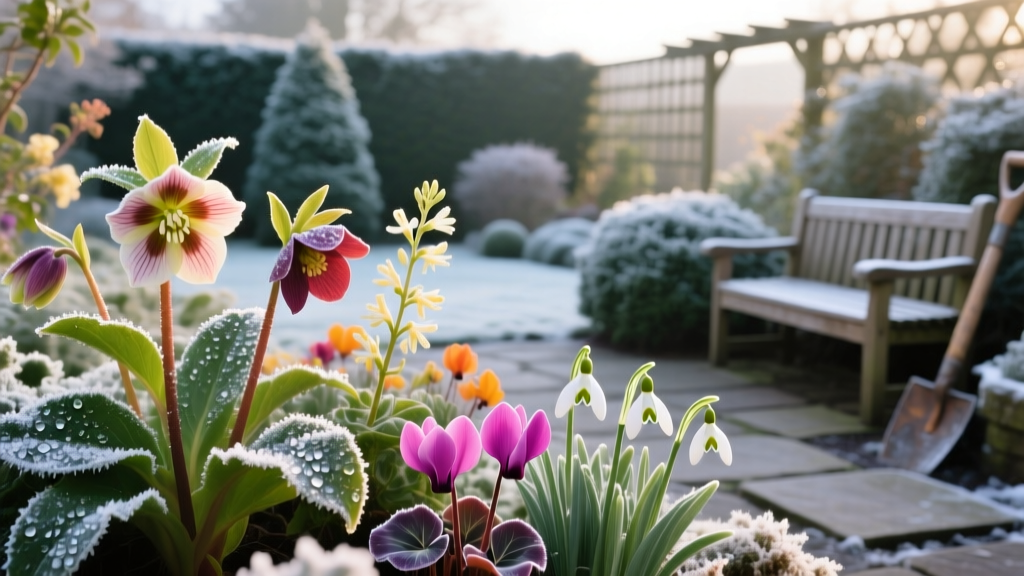
What Flowers Grow in the Winter? Cold-Hardy Bloom Identification
The Science of Winter Blooming: How Plants Defy the Freeze
When gardeners ask, "what flowers grow in the winter," they are often surprised to learn that winter blooming is not merely about survival, but active physiological adaptation. True winter-flowering plants utilize specialized mechanisms like vernalization (requiring prolonged cold to trigger floral initiation) and thermogenesis (generating internal heat to melt surrounding snow). Furthermore, these species synthesize cryoprotectants—specifically sugars and amino acids like proline—that act as biological antifreeze, lowering the freezing point of their cellular sap to withstand ambient temperatures down to 10°F (-12°C) without sustaining tissue rupture.
Understanding these mechanisms is critical for successful cultivation. If you plant a winter-blooming species in a microclimate that remains too warm (above 45°F/7°C consistently), you disrupt its vernalization cycle, resulting in vegetative growth but zero floral production.
Identifying True Winter-Flowering Species
Not all "cold-hardy" plants bloom in winter; many simply survive it. The matrix below isolates species that actively push flowers during the dormant season (December through February in the Northern Hemisphere).
| Botanical Name | Common Name | USDA Zones | Bloom Trigger Temp | Key Identification Feature |
|---|---|---|---|---|
| Helleborus niger | Christmas Rose | 3-8 | Soil temp drops below 40°F | Leathery, dark green palmate leaves; outward-facing white flowers |
| Galanthus nivalis | Snowdrop | 3-7 | Photoperiod + 35°F air temp | 3 inner petals with distinct green inverted V-marks |
| Cyclamen coum | Eastern Cyclamen | 5-8 | Winter solstice photoperiod | Silver-patterned rounded leaves; swept-back magenta/white petals |
| Jasminum nudiflorum | Winter Jasmine | 6-10 | Mild frost exposure | Bright yellow non-fragrant flowers on green, square, arching stems |
Deep Dive: Morphological Identification & Cultivar Selection
To accurately identify and select the best performers for your garden, look beyond the species name and focus on proven cultivars.
- Helleborus niger 'Josef Lemper': Unlike standard seed-grown Christmas Roses that may bloom erratically, 'Josef Lemper' is a tissue-cultured clone guaranteeing uniform, early blooming (often December in Zone 6). Identify it by its exceptionally tall flower stems (up to 12 inches) that rise well above the foliage, preventing the blooms from being buried in snow or mulch.
- Galanthus nivalis 'Flore Pleno': A double-flowered snowdrop variant. While standard G. nivalis has a simple teardrop shape, 'Flore Pleno' features a rosette of inner petals. According to the Royal Horticultural Society, double snowdrops establish slower but form denser, longer-lasting clumps over a 5-year period.
- Jasminum nudiflorum: Often confused with Forsythia by novice gardeners. The definitive identification test is the stem cross-section: Winter Jasmine has distinctly square, green stems in winter, whereas Forsythia has round, brown, pithy stems. Note that Winter Jasmine lacks the signature scent of summer jasmines.
⚠️ Toxicity Warning for Winter Blooms
While winter gardens offer vital color, many cold-hardy blooms are highly toxic. Helleborus species contain protoanemonin, a severe gastrointestinal irritant. Ingestion by dogs or cats causes immediate oral blistering, vomiting, and lethargy. If you have pets that dig in dormant beds, substitute Hellebores with non-toxic Mahonia or rely on structural winter interest like Red Twig Dogwood.
Soil Preparation & Thermal Regulation Techniques
Knowing what flowers grow in the winter is only half the battle; maintaining the correct rhizosphere (root zone) environment is where most gardeners fail. Winter blooms require soil that is cold, but not frozen solid.
The 40°F Soil Threshold
Roots of winter-blooming perennials continue to absorb water and nutrients as long as soil temperatures remain above 40°F (4.4°C). Purchase a digital probe soil thermometer and insert it 4 inches deep at 8:00 AM to get an accurate baseline reading. If your soil consistently drops below 28°F (-2°C), the plant enters forced dormancy and buds will abort.
Precision Mulching for Thermal Mass
Do not use pine needles for winter bloom beds; they mat down and restrict the air circulation that Hellebores and Cyclamen require to prevent fungal issues. Instead, apply a 2.5-inch layer of shredded hardwood bark. Hardwood mulch creates an insulating matrix that traps geothermal heat while allowing water permeability. According to research published by Penn State Extension, proper mulching prevents frost heave—the phenomenon where alternating freeze-thaw cycles physically push plant crowns out of the soil, exposing roots to lethal desiccation.
Deploying Frost Blankets Correctly
When an extreme polar vortex threatens (temps below 5°F / -15°C), utilize spun-bonded polypropylene frost blankets. Pay strict attention to the GSM (grams per square meter):
- 30 GSM blankets: Provide 2°F to 4°F of protection. Suitable for light frosts and protecting emerging Snowdrop shoots.
- 50 GSM blankets: Provide up to 8°F of protection. Required for protecting Hellebore flower buds during deep freezes. Ensure the blanket touches the ground on all sides and is secured with landscape staples to trap the earth's radiant heat.
Troubleshooting Winter Bloom Failures
When your winter flowers fail to thrive, use this diagnostic framework to identify the exact failure mode.
Symptom: Buds Form but Turn Brown and Drop (Bud Blast)
Cause: Winter desiccation. The plant cannot pull water from frozen soil to support the high moisture demands of flower development, especially when exposed to harsh, drying winter winds.
Fix: Water the bed deeply during winter thaws when the air temperature is above 40°F. Erect a burlap windbreak on the windward side (usually North/Northwest) of the planting zone.
Symptom: Gray, Fuzzy Mold on Leaves and Flower Stems
Cause: Botrytis cinerea (Gray Mold). This pathogen thrives in the cool, damp, stagnant air typical of late winter.
Fix: Remove all dead or decaying foliage from the base of the plants in late November before the ground freezes. Improve air circulation by spacing plants at least 18 inches apart. If infection is severe, apply a copper-based fungicide (e.g., Bonide Copper Fungicide at 2 tbsp per gallon) during a dry winter window.
Symptom: Plant is Pushed Halfway Out of the Ground
Cause: Frost heave, common in heavy clay soils with high moisture content.
Fix: Do not pull the plant. Gently step on the soil around the base to re-compact it, then mound 2 inches of compost and shredded hardwood mulch over the exposed roots to insulate them until spring planting season allows for proper replanting.
Frequently Asked Questions
Can I plant winter flowers in containers?
Yes, but container roots are exposed to ambient air temperatures on all sides, making them vulnerable to freezing solid. Use fiberglass or thick plastic pots (terra cotta will crack). Line the inside of the pot with 1-inch thick rigid foam insulation board before adding soil, and select cultivars rated for at least two USDA zones colder than your local area.
Do winter flowers need fertilizer?
No. Applying nitrogen-rich fertilizers in winter stimulates tender vegetative growth that will be instantly killed by frost. Rely on the slow-release nutrients from a top-dressing of organic compost applied in late autumn. For active winter bloomers like Cyclamen, a single application of liquid seaweed extract (0-0-1 NPK) at half-strength in early January provides necessary micronutrients without risking burn.

