
Gardening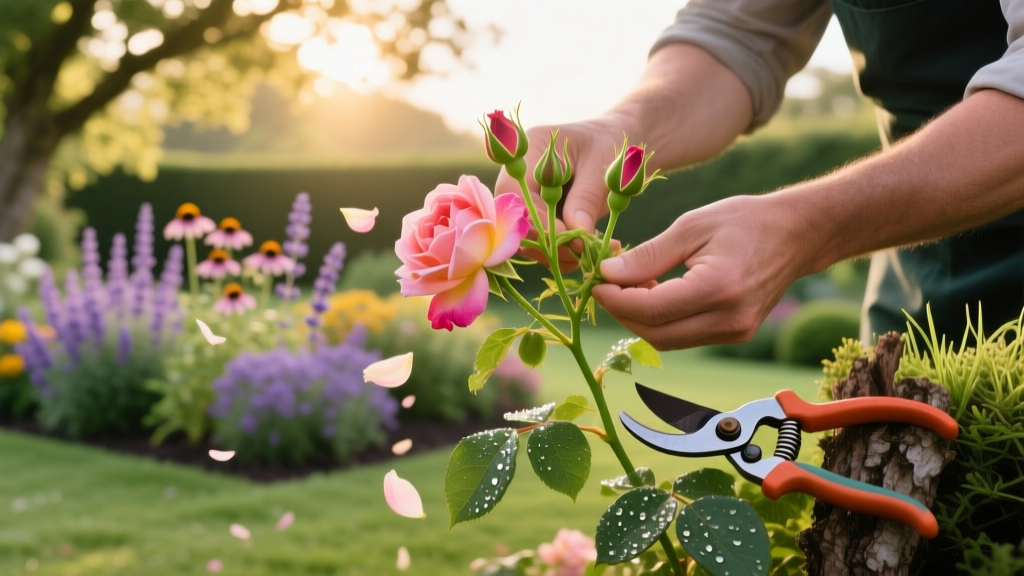
What Is Deadheading a Plant? Expert Pruning & Bloom Guide
The Biology Behind the Bloom: What Is Deadheading a Plant?
At its core, what is deadheading a plant refers to the targeted removal of spent, fading, or dead flowers before they can form seed pods. While many gardeners view this as a purely aesthetic chore to tidy up the landscape, it is actually a physiological intervention that manipulates plant hormones to trigger secondary and tertiary blooming cycles.
To understand why deadheading works, you must understand apical dominance. When a flower is actively blooming and eventually begins to form a seed head, the plant shifts its hormonal priorities. The developing seeds produce high levels of auxins and gibberellins, which signal the plant to cease vegetative growth and lateral bud development. By severing the spent flower, you eliminate the auxin source. This hormonal drop tricks the plant into believing it has failed its primary biological imperative (reproduction), forcing it to push energy into dormant lateral buds to produce a new flush of flowers.
Deadheading vs. Pruning vs. Pinching: Clearing the Confusion
Gardeners frequently conflate deadheading with other forms of plant manipulation. Understanding the precise mechanical differences ensures you apply the correct technique for the desired physiological response.
| Technique | Target Tissue | Primary Objective | Timing |
|---|---|---|---|
| Deadheading | Spent flowers and immediate pedicel (flower stem) | Prevent seed set; stimulate repeat blooming | Continuously throughout the active blooming season |
| Pruning | Woody stems, branches, and structural foliage | Shape the plant, remove disease, improve airflow | Dormant season (late winter) or immediately post-bloom |
| Pinching | Soft, herbaceous apical tips (using thumb and forefinger) | Encourage bushier, denser vegetative growth early in season | Spring, before flower buds have initiated |
The 'Deadhead or Leave It' Decision Framework
Not all plants benefit from deadheading. In fact, aggressively deadheading certain perennials deprives local ecosystems of vital food sources and destroys winter landscape architecture. According to the University of Minnesota Extension, knowing which plants to cut and which to leave is critical for sustainable garden management.
Category 1: Aggressive Deadheaders (Continuous Bloomers)
These plants are prolific seed producers. If left unchecked, they will complete their life cycle in a single month and cease flowering entirely. Deadhead these relentlessly:
- Zinnias (Zinnia elegans): Cut back to the first set of opposing leaves. They will branch out and produce two new stems from that node.
- Cosmos (Cosmos bipinnatus): Highly responsive to deadheading; can bloom from early June until the first hard frost if spent blooms are removed every 48 hours.
- Marigolds (Tagetes spp.): Snap off the swollen base (receptacle) of the flower, not just the brown petals, to prevent hidden seed development.
- Petunias and Calibrachoa: Modern hybrids like 'Supertunia' are often self-cleaning, but older heirloom petunias require manual deadheading to prevent them from becoming leggy and woody at the base.
Category 2: The 'Leave It' List (Wildlife & Winter Interest)
Stop deadheading these plants by late August. Their spent structures provide essential overwintering habitat, late-season forage, and structural beauty in the dormant garden.
- Coneflowers (Echinacea purpurea): The spiky, brown seed heads are a primary winter food source for American Goldfinches. Leaving them also adds striking silhouettes against winter snow.
- Black-Eyed Susans (Rudbeckia hirta): Similar to Echinacea, the seed heads feed chickadees and finches well into November.
- Sedum 'Autumn Joy': The dried, rust-colored flower heads provide crucial architectural height when the rest of the perennial bed has collapsed.
- Ornamental Grasses (e.g., Miscanthus, Calamagrostis): Never deadhead or cut back until late February or early March; the plumes catch frost beautifully and the root crowns need the top-growth to divert winter moisture away from the base.
Precision Technique: Step-by-Step Node Cutting
Improper deadheading can invite fungal pathogens or damage the lateral buds you are trying to stimulate. Follow this exact mechanical protocol for optimal results:
- Locate the Target Node: Trace the flower stem downward from the spent bloom until you find the first set of healthy, fully expanded leaves or lateral buds (often a five-leaflet junction on roses and zinnias).
- Measure the Clearance: Identify a point exactly 1/4 inch (6mm) above this node. Cutting too close crushes the dormant bud; cutting too far leaves a dead, rotting stub that invites botrytis blight.
- Execute the Angle: Make the cut at a precise 45-degree angle, sloping downward and away from the lateral bud. This ensures rainwater runs off the cut surface rather than pooling directly on the emerging bud tissue.
- Clear the Debris: Do not leave the severed flower heads piled at the base of the plant. This creates a humid microclimate ideal for slug infestations and fungal spores. Compost them in a hot pile or dispose of them if disease is present.
⚠️ Sanitation Protocol: Preventing Pathogen Transfer
When deadheading large masses of plants (like a 50-foot rose hedge), you are effectively performing surgery. Sap from plants infected with Rose Rosette Disease, Fire Blight, or Mosaic Virus will coat your blades. Keep a holster with a rag soaked in 70% isopropyl alcohol or a 10% bleach solution. Wipe and sterilize your blades after every single plant, or at minimum, after every row. According to the Penn State Extension, tool sanitation is the single most effective way to prevent the mechanical transmission of viral and bacterial pathogens during routine maintenance.
Tool Calibration and Selection for Deadheading
Using the wrong tool crushes plant tissue rather than slicing it cleanly, leading to necrotic dieback. Select your tool based on the stem caliper (thickness):
- Herbaceous Stems (Under 1/8 inch thick): Use micro-tip floral snips. The Fiskars Micro-Tip Floral Snips ($14–$18) feature precision-ground stainless steel blades that easily access dense foliage without damaging adjacent stems.
- Semi-Woody Stems (1/8 to 1/2 inch thick): Use high-carbon steel bypass pruners. The Felco F-2 Classic Bypass Pruners ($60–$65) are the industry standard. Their sap groove prevents blades from sticking, and the wire-cutting notch prevents you from dulling the primary edge on accidental wire or hard stem encounters.
- What to Avoid: Never use anvil pruners for deadheading. Anvil blades crush the stem against a flat metal plate, destroying the vascular cambium layer and the delicate lateral buds you are trying to protect.
Frequently Asked Questions
Does deadheading hurt the plant?
No, when done correctly, it benefits the plant by redirecting energy from seed production into root development and vegetative growth. However, 'topping' a plant by blindly shearing off the top third of the foliage with hedge trimmers (often mistakenly called deadheading) will severely stress the plant and delay blooming by weeks.
When should I stop deadheading for the season?
Cease all deadheading activities approximately 6 to 8 weeks before your region's first expected hard frost. Allowing the final flush of late-summer flowers to go to seed signals the plant to begin hardening off, storing carbohydrates in the root system, and preparing for winter dormancy. Forcing late-season blooms depletes these critical winter reserves.
How do I deadhead flowers with no obvious leaves on the stem?
For plants like daylilies (Hemerocallis) or Allium that feature 'naked' scapes (leafless flower stalks), you cannot cut the stem halfway down. You must trace the entire scape down to the base of the plant's foliage crown and snap or cut it off entirely at the soil line to prevent the bare stalk from rotting and harboring stem-boring insects.
"The most common mistake novice gardeners make is pinching off only the brown petals while leaving the swollen green ovary (the receptacle) intact. The plant still recognizes this as a developing seed pod and will suppress further blooming. Always remove the entire flower head down to the first true leaf node."
— Adapted from the Royal Horticultural Society (RHS) Pruning Guidelines

