
Gardening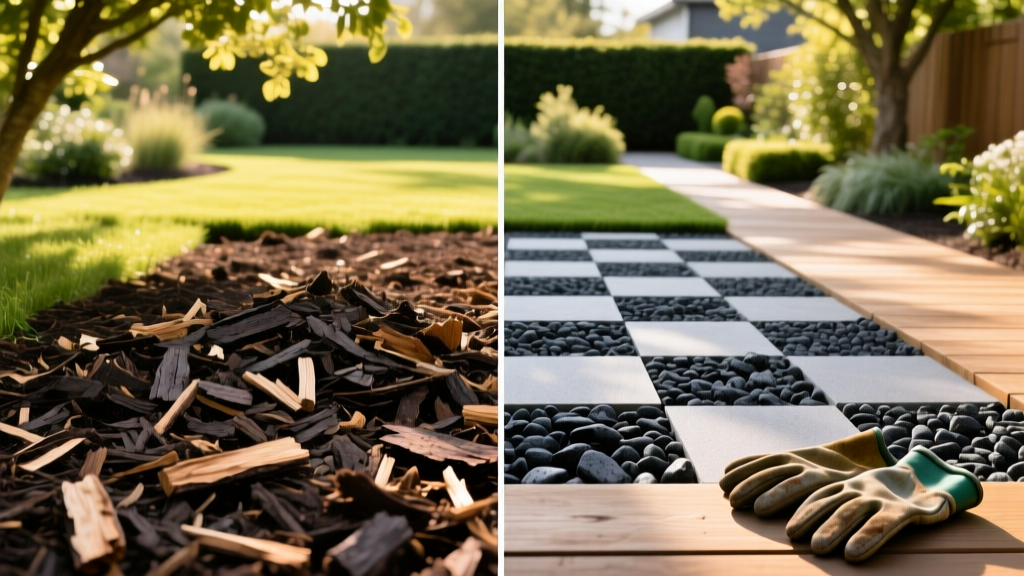
What Is Mulch Made Of? Organic vs Inorganic Materials Explained
The Core Composition: What Is Mulch Made Of?
Mulch is any material applied to the soil surface to retain moisture, suppress weeds, and regulate temperature. When gardeners ask, "what is mulch made of," the answer splits into two distinct categories: organic (carbon-based materials that decompose and feed the soil microbiome) and inorganic (synthetic or mineral materials that provide physical coverage without altering soil biology). Understanding the exact chemical and physical composition of these materials is critical, as the wrong mulch can alter soil pH, tie up essential nitrogen, or leach heavy metals into your garden beds.
The Organic Mulch Spectrum: Biological Materials
Organic mulches are derived from plant matter. Their primary benefit is the gradual addition of humus to the soil as they break down. However, their carbon-to-nitrogen (C:N) ratios dictate how they interact with your soil's existing nutrient profile.
Wood-Based Mulches (Hardwood, Pine Bark, and Cedar)
Shredded hardwood and bark mulches are byproducts of the timber and paper industries. Hardwood mulch typically has a C:N ratio of roughly 400:1. Because microbes require nitrogen to break down high-carbon wood, applying fresh wood chips directly against plant stems can cause "nitrogen immobilization," temporarily starving your plants. Cedar mulch contains natural thujone compounds that repel certain insects, but it decomposes much slower than pine bark. As of 2026, bulk double-shredded hardwood averages $30 to $45 per cubic yard, while bagged cedar bark costs $5 to $7 per 2-cubic-foot bag.
Pine Straw and Leaf Mold
Longleaf pine straw (needles) is a staple in Southern landscaping. Fresh pine needles have an acidic pH of 3.5 to 4.5, though they neutralize closer to 6.5 as they weather. Pine straw allows excellent water infiltration and does not compact, making it ideal for slopes and acid-loving plants like azaleas and blueberries. Leaf mold (partially decomposed autumn leaves) has a much lower C:N ratio of about 40:1 and introduces diverse fungal networks to the soil. Pine straw typically costs $7 to $10 per bale, covering roughly 50 square feet at a 2-inch depth.
Warning: Dyed and Treated Wood Mulches
Black and red dyed mulches are often made from recycled construction waste, including pallets and demolished structures. While modern dyes use iron oxide (red) or carbon black (black) which are generally safe, the underlying wood may contain trace amounts of chromated copper arsenate (CCA) or heavy metals. Always source dyed mulch from certified suppliers who test for CCA, and avoid using it in edible vegetable gardens.
Black and red dyed mulches are often made from recycled construction waste, including pallets and demolished structures. While modern dyes use iron oxide (red) or carbon black (black) which are generally safe, the underlying wood may contain trace amounts of chromated copper arsenate (CCA) or heavy metals. Always source dyed mulch from certified suppliers who test for CCA, and avoid using it in edible vegetable gardens.
Inorganic Mulch Composition: Stone, Rubber, and Plastic
Inorganic mulches do not decompose, meaning they do not improve soil structure or feed microbial life. They are chosen for permanence, high-traffic areas, and specific aesthetic designs.
Gravel, Crushed Stone, and Lava Rock
Stone mulches are mined and crushed to specific grades. #57 crushed limestone (3/4-inch to 1-inch fragments) is highly common but slowly releases calcium carbonate, which will steadily raise your soil's pH over time. If you need a neutral stone, opt for crushed granite or basalt. Scoria (lava rock) is highly porous, retaining water within its vesicles, and is chemically inert. Stone mulches absorb and radiate heat, making them ideal for xeriscaping and Mediterranean plants, but detrimental to shallow-rooted perennials that require cool root zones.
Recycled Rubber Mulch
Rubber mulch is manufactured by shredding and granulating SBR (styrene-butadiene rubber) from recycled automotive tires, then coating it with a polyurethane colorant. While it provides excellent fall-height attenuation for playgrounds, it is highly controversial in horticulture. According to environmental studies, rubber mulch can leach zinc (often accumulating to 100-200 ppm in the soil over time) and polycyclic aromatic hydrocarbons (PAHs). It should never be used in vegetable gardens or around zinc-sensitive plants.
Landscape Fabrics and Plastic Sheeting
Often used beneath stone or wood mulch, woven polypropylene geotextiles allow water and gas exchange while blocking weed photosynthesis. Non-woven plastics (polyethylene) create an impermeable barrier that suffocates soil microbiology and should only be used in temporary solarization projects to kill soil-borne pathogens.
Material Comparison Matrix
| Material | Primary Composition | C:N Ratio / pH Effect | Decomposition Rate | Est. Cost (2026) |
|---|---|---|---|---|
| Hardwood Bark | Shredded deciduous timber | 400:1 (Ties up N) | 1 to 3 years | $30-$45 / cu. yd. |
| Pine Straw | Longleaf pine needles | 80:1 (Slightly acidic) | 2 to 4 years | $7-$10 / bale |
| Leaf Mold | Decomposed deciduous leaves | 40:1 (Neutral) | 6 to 12 months | $15-$20 / cu. yd. |
| #57 Limestone | Crushed calcium carbonate | Raises pH (Alkaline) | Indefinite | $45-$65 / ton |
| Rubber Mulch | SBR recycled tires | Leaches Zinc | Indefinite | $9-$12 / 0.8 cu. ft. |
Soil Chemistry Decision Framework
Selecting the right mulch requires matching the material's chemical properties to your existing soil and plant requirements. Use this framework to make your decision:
If your soil is highly alkaline (pH > 7.5) and you are growing acid-loving plants:
If you are applying high-carbon wood mulch to a nutrient-poor garden bed:
If you are mulching a high-heat, drought-prone xeriscape:
- Use: Pine straw, pine bark, or leaf mold.
- Avoid: Limestone gravel, hardwood bark (which can sometimes buffer pH upward as it degrades), and mushroom compost.
If you are applying high-carbon wood mulch to a nutrient-poor garden bed:
- Action Required: Apply 1 lb of actual nitrogen per 1,000 square feet before laying the mulch to prevent nitrogen tie-up. If using a standard 10-10-10 granular fertilizer (which is 10% nitrogen), you must apply 10 lbs of the product per 1,000 sq. ft.
If you are mulching a high-heat, drought-prone xeriscape:
- Use: 3/4-inch crushed granite or basalt over a woven polypropylene geotextile.
- Avoid: Dark-colored rubber mulch (which absorbs excessive UV heat and can scorch plant crowns) and organic wood chips (which wick moisture away from the surface in arid climates).
"The soil microbiome relies on the slow, steady decomposition of organic mulches to maintain fungal hyphae networks. When you replace organic wood chips with inorganic stone, you are effectively sealing the soil off from the carbon inputs required to sustain mycorrhizal fungi, which are essential for phosphorus uptake in perennials."
— Adapted from soil health guidelines published by the University of Minnesota Extension.
Frequently Asked Questions
Does wood mulch attract termites to my home?
Wood mulch does not actively attract termites from distant locations, but it provides an ideal, moisture-rich foraging environment if termites are already present in your soil. To mitigate this, maintain a strict 12-inch to 18-inch mulch-free buffer zone between any wood-based mulch and your home's foundation, as recommended by the Clemson University Home & Garden Information Center. For areas directly against the foundation, use inorganic #57 crushed stone or termite-resistant cedar heartwood.
Can I use fresh grass clippings as mulch?
Fresh grass clippings have a very low C:N ratio (around 15:1) and are rich in nitrogen. However, if applied in thick, wet layers, they form an anaerobic, slimy mat that blocks oxygen and generates enough heat to burn plant stems. Always dry grass clippings in the sun for 24 to 48 hours before applying them as a thin (1-inch) mulch layer around vegetable transplants. Never use clippings from lawns treated with broadleaf herbicides like 2,4-D or dicamba, as residual chemicals will severely damage garden plants.
How thick should I apply mulch?
For fine-textured organic mulches like leaf mold or compost, apply a 1.5 to 2-inch layer. For coarse, woody mulches like pine bark or shredded hardwood, apply a 2.5 to 3-inch layer. Exceeding 4 inches creates a hydrophobic barrier that prevents rainfall from reaching the root zone and encourages the growth of anaerobic artillery fungus (Sphaerobolus stellatus), which shoots tar-like spores onto nearby siding and cars.

