
Gardening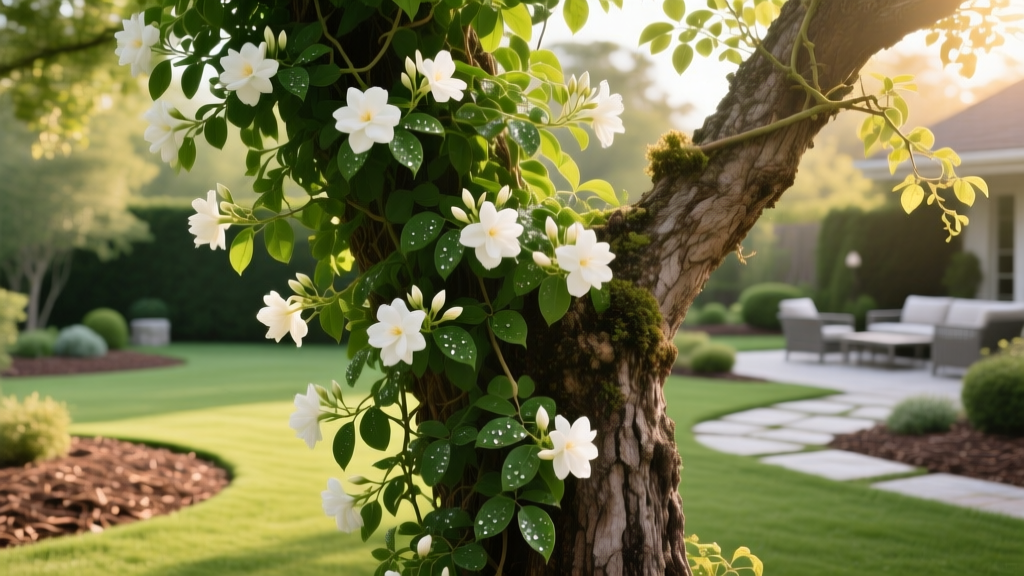
Climbing Vine with White Flowers: Tree Pruning & Removal Guide
The Hidden Danger of White-Flowering Vines on Trees
A climbing vine with white flowers cascading through a tree canopy looks picturesque, but this aesthetic often masks a severe structural threat. Species like Sweet Autumn Clematis (Clematis terniflora) and Japanese Honeysuckle (Lonicera japonica) can add thousands of pounds of wet biomass to a host tree. This extra weight compromises limb integrity, while the dense foliage blocks photosynthesis and traps moisture against the bark, accelerating fungal rot. When managing tree health or preparing for dead tree removal, addressing these aggressive vines requires specific arboricultural techniques to prevent bark tearing, chainsaw binding, and catastrophic canopy failure.
Identifying the Culprit: Common White-Flowering Tree Stranglers
Before initiating pruning or removal, accurately identifying the vine dictates your chemical and mechanical strategy. Not all white-flowering vines are invasive, but the most common offenders share aggressive growth habits.
| Species | Bloom Period | Growth Rate | Primary Threat to Trees |
|---|---|---|---|
| Sweet Autumn Clematis | Late Summer to Fall | 10-20 ft/year | Canopy smothering; extreme weight load during autumn rains. |
| Japanese Honeysuckle | Spring to Summer | 6-15 ft/year | Stem girdling; tightly wraps and chokes the tree's vascular system. |
| Moonflower (Annual) | Summer to Fall | 10-15 ft/season | Minimal structural threat; dies back in winter but competes for soil moisture. |
According to the NC State Extension, Sweet Autumn Clematis is particularly destructive because its late-season blooming coincides with heavy autumn rains, turning the dense vine mat into a massive weight burden that frequently snaps mature oak and maple limbs.
The Mechanics of Vine-Induced Tree Damage
Vines damage trees through three distinct mechanisms:
- Photosynthetic Starvation: A thick mat of white flowers and broad leaves completely shades the host tree's crown, preventing the tree from producing the carbohydrates needed for root and cambium health.
- Girdling and Bark Abrasion: Twining vines like honeysuckle wrap tightly around the trunk. As the tree expands in diameter, the vine acts like a tourniquet, cutting off the flow of water and nutrients through the phloem.
- Wind-Sail Effect: The dense foliage of the vine catches wind like a sail. During severe storms, this leverage can uproot the host tree or cause the trunk to snap at the root flare.
Warning: The 'Rip and Tear' Mistake
Never grab a vine and pull it forcefully from a living tree's canopy. The vine's tendrils and aerial rootlets are often fused to the bark. Yanking them will strip the tree's cambium layer, creating massive open wounds that invite wood-boring insects and decay fungi.
Step-by-Step Pruning Protocol for Vines on Living Trees
Removing a climbing vine with white flowers from a living tree requires a 'cut-and-wait' approach to preserve the host's bark. Professional arborists typically charge between $150 and $350 per tree for this service in 2026, but it can be done safely with the right tools.
Phase 1: Severing the Base
- Locate the Root Flare: Clear mulch and soil away from the base of the tree to expose the main vine stems entering the ground.
- Make the Cut: Using a sharp folding saw (like the Silky Gomboy 240) or heavy-duty bypass loppers (such as the Fiskars PowerGear2), cut every vine stem 3 to 4 inches above the soil line. Do not use anvil loppers, as they crush the vine tissue, which hinders herbicide uptake.
- Apply Herbicide (Optional but Recommended): Within 15 minutes of cutting, paint the outer 1-inch ring of the severed vine stump with a 20% solution of Triclopyr (Garlon 4) or a 41% Glyphosate concentrate. This prevents the vine from resprouting from the root crown.
Phase 2: Canopy Dieback and Extraction
After severing the base, leave the vine in the tree for 14 to 21 days. The vine will wither, its grip on the bark will loosen, and the white flowers will turn brown and drop. Once the vine is completely brittle, you can gently pull the bulk of it from the lower canopy. For vines high in the crown, simply let them decompose naturally; they will break apart and fall over the next few windstorms without damaging the tree.
Safely Removing Vines During Dead Tree Felling
If the host tree is already dead and requires felling, a heavy infestation of white-flowering vines introduces severe safety hazards for arborists and loggers.
The Center of Gravity Shift
A dead tree choked in vines rarely has a balanced weight distribution. The vine mass is usually heaviest on the side receiving the most sunlight (typically the south or west face). When making your directional notch and back-cut, you must account for this lateral pull. Failing to adjust your hinge wood thickness can result in the tree twisting off the stump or falling in the opposite direction of your intended lay.
Chainsaw Binding and Barber-Chair Risks
When a vine-covered tree hits the ground, the fibrous vine mat acts like rebar in concrete. It holds shattered wood together under immense tension. When you attempt to buck (cut into sections) the felled trunk, the tension from the vines can instantly pinch your chainsaw bar. Always use heavy-duty felling wedges and a mallet to keep the kerf open when processing vine-bound timber. Furthermore, the added weight of the vines increases the risk of a 'barber-chair' effect (where the tree splits vertically upward before falling) during the initial felling cut. Always use a winch or pull-line when felling vine-heavy dead timber.
Disposal and Root Eradication Strategies
Simply pulling the vines out of the tree does not solve the problem; the root system will send up new shoots within weeks. To permanently eradicate the climbing vine with white flowers:
- Solarization: For ground-covering vines like Japanese Honeysuckle, mow the area to 2 inches, water the soil heavily, and cover with 6-mil clear UV-resistant polyethylene plastic for 6 to 8 weeks during peak summer heat. This bakes the root crown.
- Foliar Spraying: For extensive ground infestations surrounding the tree, apply a 2% glyphosate solution to the vine leaves in early autumn. The plant is actively pulling nutrients down into its roots for winter storage, which carries the herbicide directly to the root system. Take extreme care to avoid drift onto the host tree's foliage or bark.
The Penn State Extension emphasizes that mechanical removal alone rarely achieves a 100% kill rate on established perennial vines, making targeted chemical application a necessary component of long-term landscape management.
Frequently Asked Questions
Will a climbing vine with white flowers kill a mature tree?
Yes, over a period of 3 to 7 years. While the vine may not directly extract nutrients from the tree (as it is not a parasite like mistletoe), it will kill the tree indirectly through canopy smothering, structural overload, and bark girdling.
Can I compost the removed vines?
Do not compost Japanese Honeysuckle or Sweet Autumn Clematis unless your compost pile consistently reaches 140°F to 160°F for several days. Most home compost bins do not get hot enough to kill the seeds or root fragments, leading to re-infestation when you spread the compost. Bag and dispose of them in municipal yard waste.
Are there non-invasive white-flowering vines I can plant on a trellis instead?
Yes. If you want the aesthetic without the ecological damage, plant native alternatives like Virgin's Bower (Clematis virginiana) or American Wisteria (Wisteria frutescens, which has white cultivars like 'Nivea'). Always provide a dedicated structural trellis rather than allowing them to climb living trees, as even native vines can shade out a host if left unmanaged. For more on tree-safe landscaping, consult the Arbor Day Foundation's guidelines on vines.

