
Gardening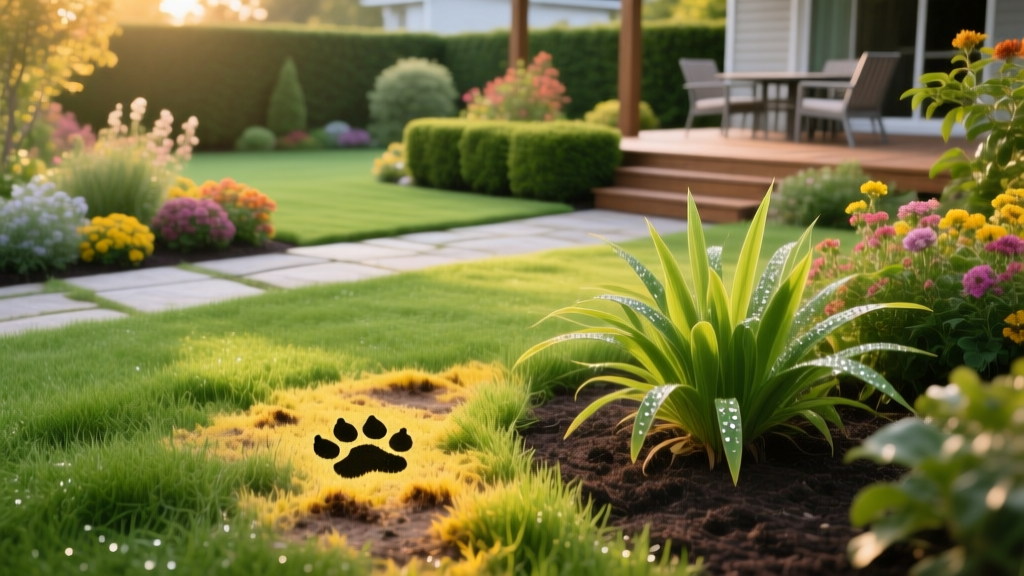
Will Dog Pee Kill Plants? Identifying Urine Burn and Garden Recovery
The Short Answer: Yes, But It Depends on Concentration
The direct answer to the question will dog pee kill plants is yes, but the biological mechanism is widely misunderstood by homeowners. Dog urine does not kill plants through high acidity or alkalinity; it kills them through severe nitrogen toxicity and osmotic stress. Canine urine is essentially a highly concentrated, unbuffered liquid fertilizer, typically containing 15 to 20 grams of urea per liter. When a dog urinates on a garden bed or lawn, the sheer volume of nitrogen salts overwhelms the plant's root system, drawing moisture out of the plant tissues and causing rapid desiccation.
However, whether the plant dies entirely or simply suffers localized leaf scorch depends on three critical variables: the soil's cation exchange capacity (CEC), the moisture level of the soil at the time of urination, and the specific physiological tolerance of the plant species. Understanding these variables is the first step in accurate identification and effective remediation.
The Chemistry of Canine Urine: Why It Burns
To effectively treat urine damage, you must understand the chemical breakdown of urea in the soil profile. When urea (CH4N2O) hits the soil, the naturally occurring enzyme urease catalyzes its hydrolysis. This process converts urea into ammonia and carbon dioxide. The ammonia rapidly converts to ammonium (NH4+), which is a positively charged cation.
In small doses, ammonium is a vital plant nutrient. This is why the periphery of a urine spot often features a vibrant, dark green 'halo' of accelerated growth—the nitrogen concentration at the edges is diluted enough to act as a fertilizer. But in the center of the spot, the massive concentration of ammonium salts creates a hypertonic environment. Through osmosis, water is pulled out of the plant's root cells and into the soil, effectively dehydrating the plant from the inside out, even if the soil itself is wet.
Identifying Urine Burn vs. Fungal Pathogens
One of the most common mistakes in garden diagnosis is confusing dog urine burn with fungal turfgrass diseases. Misidentification leads to the application of expensive, ineffective fungicides. Use the comparison matrix below to accurately diagnose the damage in your yard.
| Diagnostic Feature | Dog Urine Burn | Brown Patch Fungus (Rhizoctonia solani) | Dollar Spot (Clarireedia jacksonii) |
|---|---|---|---|
| Visual Pattern | Irregular circular spots with a distinct, bright green outer halo and a completely dead, straw-brown center. | Large, irregular brown patches (up to several feet wide) often with a dark 'smoke ring' border on the leading edge. | Small, uniform, silver-dollar-sized circular spots that may coalesce into larger blighted areas. |
| Timing & Conditions | Appears 24 to 48 hours after urination, regardless of weather, though worse in dry, hot conditions. | Thrives in high humidity and warm nights (above 68°F) with prolonged leaf wetness. | Active in warm days and cool nights, particularly in turf suffering from low nitrogen fertility. |
| Leaf Blade Inspection | Leaf blades are uniformly bleached or straw-colored from the tip down; no fungal mycelium present. | Distinct tan lesions with dark brown borders on individual leaf blades; cobweb-like mycelium visible in morning dew. | Hourglass-shaped lesions with bleached centers and reddish-brown margins across the leaf blade. |
| Pull Test | Dead grass pulls up easily, but roots are desiccated and brittle, not rotted. | Grass pulls up easily with a dark, rotted appearance at the base of the stem (sheath blight). | Leaves pull out easily from the sheath, but the root system remains largely intact and healthy. |
For a deeper dive into fungal pathogens, consult the University of Massachusetts Amherst Extension diagnostic guidelines to confirm environmental disease pressures.
Plant Vulnerability Matrix: What Survives and What Dies
Not all plants react to nitrogen salts equally. Cell wall thickness, root depth, and natural nitrogen-processing efficiency dictate a plant's survival rate. If you have a dog that frequently uses the garden as a restroom, prioritize planting species from the 'Highly Resistant' column in high-traffic zones.
| Plant Category | Highly Susceptible (Avoid in Dog Runs) | Moderate Tolerance | Highly Resistant (Dog-Safe Landscaping) |
|---|---|---|---|
| Turfgrasses | Kentucky Bluegrass, Bermudagrass, Fine Fescues | Zoysia, Centipedegrass | Tall Fescue, Perennial Ryegrass |
| Ornamental Shrubs | Azaleas, Hydrangeas, Boxwood (young) | Rhododendrons, Viburnum | Juniper, Holly, Arborvitae |
| Perennials & Flowers | Hostas, Daylilies, Peonies | Echinacea, Black-eyed Susan | Liriope, Ornamental Grasses, Yarrow |
Immediate Triage: How to Save Burned Plants
If you catch your dog in the act or notice a fresh wet spot, you have a narrow window of approximately 8 to 12 hours to prevent permanent root desiccation. Follow this exact triage protocol:
- Massive Dilution: Do not just sprinkle the area with a hose. You must apply 1.5 to 2 gallons of water per square foot directly to the spot. The goal is to physically push the urea and ammonium salts past the root zone (usually 6 to 8 inches deep) into the subsoil where they will not cause osmotic stress.
- Apply Surfactant: If the soil is hydrophobic or heavily compacted, add a liquid soil surfactant (like a yucca extract-based wetting agent) to the water. This breaks the surface tension and allows the flushing water to penetrate deeply rather than running off.
- Prune Scorched Foliage: For ornamental shrubs and perennials, use sterilized bypass pruners to remove the visibly burned leaf tips. This prevents the plant from wasting energy trying to repair necrotic tissue and redirects it toward new vegetative growth.
Long-Term Soil Remediation Strategies
Repeated urination in the same area leads to a buildup of sodium and ammonium, which destroys soil structure by dispersing clay particles. To rehabilitate chronically damaged soil, you must alter the soil's chemistry using pelletized gypsum (calcium sulfate dihydrate).
Gypsum provides calcium ions (Ca2+) which displace the excess sodium and ammonium on the soil's cation exchange sites. Once displaced, these harmful salts can be easily flushed away with water. Apply pelletized gypsum at a rate of 50 lbs per 1,000 square feet in early spring and again in early fall. Water it in deeply. According to the American Kennel Club, maintaining proper soil structure through aeration and amendment is far more effective than attempting to alter the dog's diet.
Frequently Asked Questions
Will dog pee kill plants in raised vegetable beds?
Yes, and it poses a secondary health risk. While the nitrogen burn will kill vegetable plants like tomatoes and peppers just as it does ornamentals, the primary concern is pathogen transfer. Dog feces and urine can harbor pathogens like E. coli and Salmonella. If a dog urinates in a raised vegetable bed, you should immediately remove the top 3 inches of soil and replace it with fresh, sterile compost before harvesting any edible crops.
Can I use dog urine as a fertilizer if I dilute it?
Yes. If you dilute canine urine at a ratio of 1 part urine to 10 parts water, the nitrogen concentration drops to a safe, beneficial level (roughly equivalent to a weak fish emulsion fertilizer). This diluted mixture is excellent for heavy-feeding crops like corn or squash, but should never be applied directly to the foliage to avoid salt burn on the leaves.
How long does it take for urine burn to show up on grass?
Under hot, dry conditions (above 85°F), osmotic stress symptoms will appear within 24 to 48 hours. In cooler, moist weather, it may take 4 to 5 days for the necrotic brown center to fully manifest. The bright green fertilization halo typically appears 7 to 14 days after the initial urination event.

