
Gardening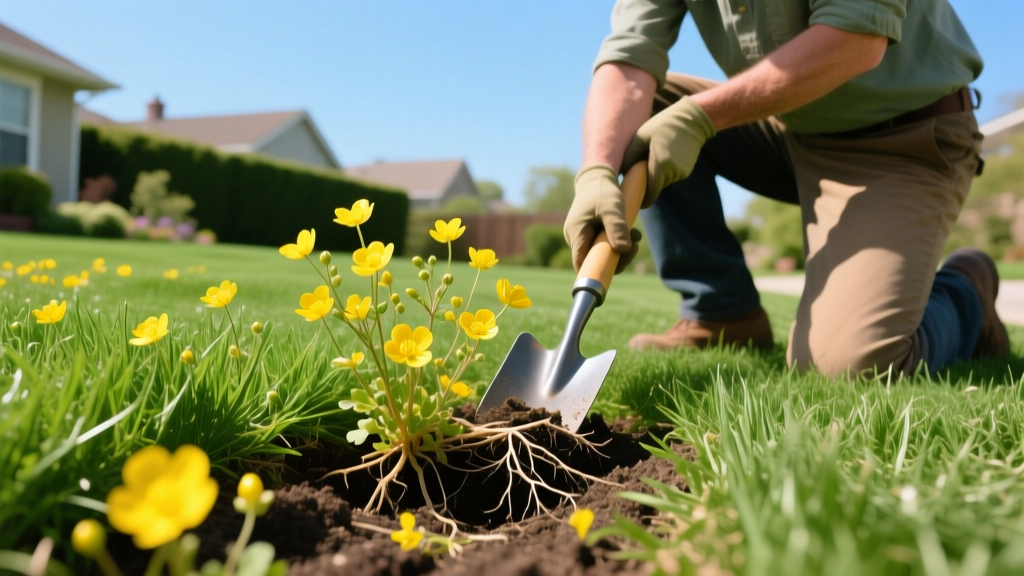
Why Yellow Field Flowers Are Taking Over Your Lawn (Diagnosis & Fixes)
The Sudden Bloom: Diagnosing Yellow Field Flowers in Turf and Beds
Waking up to a lawn or garden bed suddenly dotted with bright yellow blooms can be jarring for a meticulous homeowner. While some gardeners intentionally sow wildflower mixes, the uninvited arrival of yellow field flowers usually signals an underlying ecological imbalance in your soil. These plants are opportunistic pioneers; they do not invade healthy, dense turf or well-maintained garden beds. Instead, they exploit compaction, poor drainage, or nutrient deficiencies.
Before reaching for a broad-spectrum herbicide, you must accurately identify the specific species of yellow field flowers present. The plant acting as the invader serves as a biological soil test, telling you exactly what is wrong with your yard's subsurface environment. According to Penn State Extension, understanding the life cycle and soil preferences of these weeds is the first critical step in reclaiming your landscape.
Symptom Matrix: Identifying the Invader
Not all yellow field flowers indicate the same problem. Use the diagnostic matrix below to identify your specific infestation and understand the soil conditions inviting them.
| Scientific Name | Common Name | Visual Identification | Soil Symptom Indicator |
|---|---|---|---|
| Taraxacum officinale | Dandelion | Deeply lobed basal leaves, hollow milky stems, single yellow flower head. | Severe soil compaction, low calcium, heavy clay. |
| Ranunculus repens | Creeping Buttercup | Glossy, bright yellow petals (usually 5), hairy stems that root at nodes. | Poor drainage, chronic wetness, low pH (acidic soil). |
| Brassica kaber | Wild Mustard | Small, clustered yellow flowers, deeply lobed alternate leaves, distinct odor. | Recently disturbed soil, high nitrogen, alkaline pH. |
| Solidago spp. | Goldenrod | Tall, woody stems, plume-like clusters of tiny yellow flowers in late summer. | Neglected borders, low fertility, drought-prone sandy soil. |
Decoding the Root Cause: What Your Soil is Screaming
When yellow field flowers establish a foothold, they are outcompeting your desired plants due to specific environmental stressors. Turfgrass requires a soil pH between 6.2 and 6.8, optimal drainage, and loose soil for root respiration. When these parameters fail, weeds take over.
Diagnostic Alert: The Buttercup Warning
If your yellow field flowers are predominantly creeping buttercups, your soil is suffocating. Buttercups thrive in anaerobic, waterlogged conditions where turfgrass roots rot. Applying herbicide without addressing the drainage issue will result in a temporary fix; the buttercups will return the following spring as long as the compaction layer remains.
Dandelions, conversely, possess a thick taproot capable of penetrating heavily compacted clay pans that restrict grass roots. They act as natural aerators, mining deep calcium and bringing it to the surface. As noted in research on lawn weeds, these broadleaf weeds are symptoms of neglect, not the primary disease itself.
Rescue Protocol: Reclaiming Your Turf
To permanently eliminate unwanted yellow field flowers from your lawn, you must execute a three-phase rescue operation that removes the existing plants and alters the soil environment to favor turfgrass.
Phase 1: Mechanical Extraction and Spot Treatment
For isolated infestations (less than 20% weed coverage), avoid blanket chemical applications. Use a specialized tool like the Fiskars Stand-Up Weeder (Model 96405961) to extract the entire taproot. If the root snaps below the crown, the weed will regenerate within 14 days.
For heavier infestations, utilize a targeted post-emergent herbicide. As of 2026, Iron HEDTA (found in products like Fiesta) is the premier organic-compliant active ingredient for broadleaf control. It causes rapid desiccation in dicot weeds (like dandelions and buttercups) while being safe for monocot turfgrass. Apply when temperatures are strictly between 60°F and 80°F to prevent turf stress.
Phase 2: Subsurface Rehabilitation
- Core Aeration: Rent a walk-behind core aerator and pull 3-to-4-inch plugs across the lawn. Leave the plugs on the surface to break down and reintroduce soil microbes.
- Topdressing: Apply a 1/4-inch layer of screened compost over the aerated lawn. This fills the aeration holes, improves drainage in clay soils, and increases water retention in sandy soils.
- pH Correction: If a soil test reveals a pH below 6.0 (common with buttercup invasions), apply pelletized calcitic lime at a rate of 40-50 lbs per 1,000 square feet to neutralize acidity and supply calcium.
Phase 3: Competitive Overseeding
Bare soil is an open invitation for wild mustard and dandelion seeds. Immediately following aeration, overseed with a competitive, shade-tolerant turf-type tall fescue blend. Apply seed at a rate of 6 to 8 lbs per 1,000 square feet. Keep the top inch of soil consistently moist for 21 days to ensure germination before the next flush of yellow field flowers can establish.
Garden Bed Rescue: When Intentional Yellow Flowers Fail
If you are intentionally cultivating yellow field flowers like Black-Eyed Susans (Rudbeckia hirta) or Coreopsis in a pollinator garden, and they are exhibiting yellowing leaves, stunted growth, or deformed blooms, you are likely dealing with Aster Yellows or Powdery Mildew.
- Aster Yellows: A phytoplasma disease spread by leafhoppers. Symptoms include witch's broom (clustering of stems), yellowing of veins, and green, deformed flower petals. The Fix: There is no cure. You must rogue (dig up and destroy) the infected plants immediately to prevent the spread to healthy specimens. Do not compost them.
- Powdery Mildew: Manifests as a white, talcum-powder coating on leaves, causing the underlying tissue to yellow and die. The Fix: Improve air circulation by thinning plants to 18-24 inches apart. Apply a preventative fungicide containing chlorothalonil or use an organic potassium bicarbonate spray every 14 days during humid periods.
Decision Framework: Eradicate or Cultivate?
Not all yellow field flowers require eradication. The Xerces Society for Invertebrate Conservation highlights the critical role native wildflowers play in supporting declining bee populations. Use this framework to decide your next move:
Keep Them If:
- The plants are native goldenrod or native dandelions located in a designated back-yard pollinator zone.
- Your soil is too poor or shaded to support traditional turfgrass, and you are transitioning to a low-maintenance meadow scape.
- They are invading high-traffic recreational turf areas where trip hazards (like woody goldenrod stems) are a concern.
- They are aggressive non-native species (like wild mustard) outcompeting desired vegetable crops or ornamental beds.
Frequently Asked Questions
Will vinegar kill yellow field flowers like dandelions?
Horticultural vinegar (20% acetic acid) will burn off the foliage of yellow field flowers, but it rarely penetrates deep enough to kill the taproot. You will experience a 70% regrowth rate within three weeks. It is also non-selective and will severely damage any turfgrass it contacts.
How do I prevent wild mustard from returning to my garden beds next year?
Wild mustard seeds can remain viable in the soil seed bank for up to 50 years. To prevent germination, apply a 3-inch layer of arborist wood chip mulch over bare soil in early spring to block the light required for mustard seeds to sprout. Additionally, use a pre-emergent herbicide containing isoxaben in early March before soil temperatures reach 55°F.
Is it safe to leave creeping buttercups in a pet-friendly yard?
No. Fresh creeping buttercups contain protoanemonin, a toxic compound that can cause severe gastrointestinal distress, blistering of the mouth, and vomiting in dogs and horses if ingested in large quantities. Eradication is highly recommended in areas where pets graze or play.

