
Gardening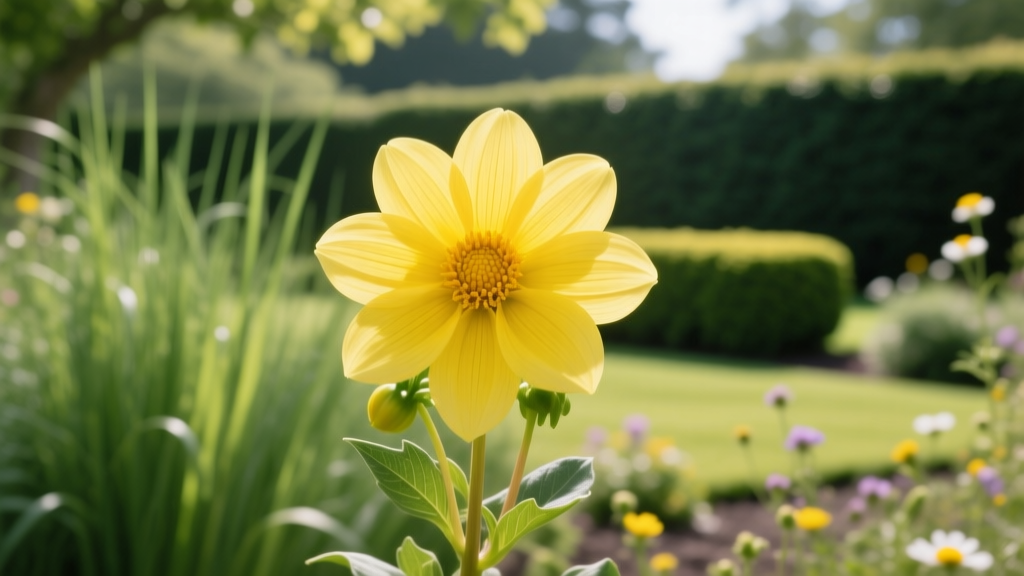
Diagnosing Why Your Plant Produces a Yellow Flower with Yellow Center
The Mystery of the Missing Dark Eye: Why the Color Shift Happens
Gardeners frequently plant dark-eyed perennials like Rudbeckia hirta (Black-Eyed Susan) or Coreopsis tinctoria for their striking visual contrast. When these plants unexpectedly bloom as a solid yellow flower with yellow center, it signals a breakdown in pigmentation or a genetic shift. This phenomenon is rarely a simple cosmetic flaw; it is a diagnostic symptom of underlying biological, environmental, or pathological stress. To rescue your garden beds, you must first identify whether the color loss is driven by genetic reversion, soil chemistry imbalances, or a fatal phytoplasma infection.
Symptom Matrix: Reversion vs. Disease vs. Nutrient Deficit
Before applying amendments or removing plants, use this diagnostic matrix to pinpoint the exact cause of the pigmentation failure.
| Symptom Profile | Underlying Cause | Reversibility | Required Action |
|---|---|---|---|
| Entire plant blooms all-yellow; vigorous growth; occurs in 2nd/3rd year seedlings. | Genetic Reversion (F1 Hybrid Self-Seeding) | Permanent for that specific plant. | Dig up volunteers; deadhead parent plants aggressively. |
| Center disk turns yellow-green, leafy, or deformed; stunted growth; witches' broom. | Aster Yellows Phytoplasma Disease | Fatal. No cure exists. | Destroy and bag the plant immediately. Do not compost. |
| Center fades from dark brown to pale yellow in late summer; normal leaf structure. | Soil pH Drift / Phosphorus Lockout / Heat Stress | Reversible in the next blooming cycle. | Lower soil pH to 6.0; apply bone meal; add deep mulch. |
Genetic Reversion: The Hybrid Seedling Problem
The most common reason a garden bed suddenly fills with a yellow flower with yellow center is genetic reversion. Many popular dark-eyed cultivars, such as Rudbeckia 'Indian Summer' or Coreopsis 'Early Sunrise', are complex hybrids or polyploids bred specifically for their dark anthocyanin-rich centers. However, these traits are often governed by recessive alleles or unstable genetic markers.
When these hybrids drop seed and self-sow, the resulting F2 generation seedlings frequently revert to the wild-type phenotype. In the case of Rudbeckia and Coreopsis, the wild-type ancestor is often an all-yellow flower. These reverted volunteers will outcompete the parent plants over 2 to 3 seasons, slowly transforming your carefully curated dark-eyed border into a solid yellow sea. Nursery replacements for patented cultivars typically cost $15 to $25 per gallon pot, making prevention highly cost-effective.
Expert Rescue Tip: To prevent reversion, deadhead spent blooms before the seed heads (achenes) shatter in late autumn. If you find all-yellow volunteers emerging near your dark-eyed parent plants, dig them out entirely, as their taproots will store energy and return the following spring.
Aster Yellows Phytoplasma: The Fatal Diagnosis
If the center of your flower is not just yellow, but appears distorted, leafy, or greenish-yellow (a condition known as phyllody), you are likely dealing with Aster Yellows. This disease is caused by Candidatus Phytoplasma asteris, a bacteria-like organism that infiltrates the plant's phloem tissue.
According to the University of Minnesota Extension, Aster Yellows is vectored primarily by the aster leafhopper (Macrosteles quadrilineatus). These insects migrate northward in the spring, feeding on infected weeds and subsequently transmitting the phytoplasma to your ornamental perennials. The infection disrupts floral development, causing the dark disk florets to mutate into abnormal, yellow-green leaf-like bracts.
There is no chemical or organic cure for Aster Yellows. Once a plant exhibits these symptoms, it becomes a permanent reservoir for the disease. The only rescue protocol for the rest of your garden is to rogue out the infected plant, seal it in a plastic bag, and dispose of it in the municipal trash. Never compost infected material, as the phytoplasma can survive in dormant root fragments.
Soil Chemistry: Phosphorus, pH, and Anthocyanin Synthesis
If your plant is a verified true-to-type hybrid and shows no signs of leafhopper damage, the loss of the dark center is almost certainly a biochemical issue rooted in soil chemistry. The dark brown, purple, or black pigments in the center disk florets are anthocyanins (specifically cyanidin and pelargonidin derivatives). The synthesis of these pigments via the shikimic acid pathway is heavily dependent on two factors: available soil phosphorus and slightly acidic pH.
The pH and Phosphorus Lockout Mechanism
Anthocyanin production requires high levels of intracellular phosphorus. However, if your soil pH drifts above 7.0 (alkaline), phosphorus binds tightly with calcium and magnesium, forming insoluble calcium phosphate. The plant cannot absorb it, and without sufficient phosphorus, the enzymatic activity of chalcone synthase drops. The plant defaults to producing flavonols (which are pale yellow) instead of anthocyanins (dark red/brown), resulting in a faded yellow center.
- Target pH: 5.8 to 6.5 for optimal dark-eye pigmentation.
- Phosphorus Amendment: Apply Espoma Bone Meal (4-12-0 NPK) at a rate of 5 lbs per 100 square feet in early spring as the basal rosettes emerge.
- pH Correction: If a calibrated digital meter (like the Milwaukee MW102, approx. $45) reads above 7.0, apply elemental sulfur at 1 lb per 100 square feet to drop the pH by 0.5 points over the season.
Temperature-Induced Pigment Degradation
A secondary environmental factor is late-summer heat. When soil temperatures consistently exceed 85°F, the enzymatic pathways responsible for dark pigment synthesis denature. Flowers that open in early July may have dark centers, while those opening in mid-August on the exact same plant will bloom as a yellow flower with yellow center. To mitigate this thermal stress, apply a 3-inch layer of arborist wood chips around the root zone to insulate the soil and maintain temperatures below the 85°F degradation threshold.
Step-by-Step Rescue and Management Protocol
Follow this sequential protocol to diagnose, treat, and prevent the loss of dark pigmentation in your perennial borders:
- Visual Inspection: Examine the center disk closely. If the florets look like tiny, deformed green/yellow leaves, proceed to Step 2. If they look like normal, smooth petals but are simply yellow in color, skip to Step 3.
- Disease Eradication: Don gloves and remove the entire plant, including the taproot. Bag it immediately. Treat surrounding plants with insecticidal soap (potassium salts of fatty acids) at dusk to control leafhopper vectors without harming daytime pollinators.
- Seedling Audit: Check the base of the plant for volunteers. If the parent is a dark-eyed hybrid but the surrounding seedlings are all-yellow, dig out the seedlings. Increase your deadheading frequency to twice a week during peak bloom.
- Soil Testing & Amendment: Test the soil pH. If alkaline, incorporate elemental sulfur and a high-phosphorus organic amendment like rock phosphate or bone meal. Avoid high-nitrogen synthetic fertilizers (e.g., 28-0-0), as excess nitrogen promotes vegetative leaf growth at the direct expense of floral anthocyanin synthesis.
- Thermal Mulching: Apply 3 inches of coarse wood mulch in late spring before the summer heat peaks to protect the root zone from temperature-induced color fade.
By understanding the biochemical and genetic triggers behind pigmentation loss, you can accurately diagnose the issue and restore the striking contrast that makes dark-eyed perennials a staple of the summer garden. For further reading on perennial disease management, consult the University of Wisconsin-Madison Plant Disease Diagnostics Clinic.

