
Grass Types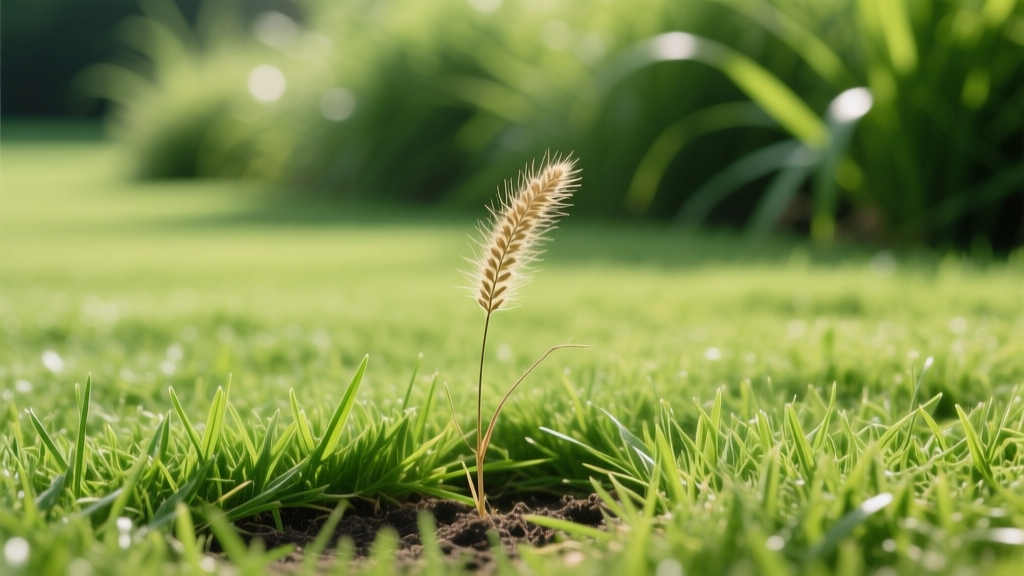
How to Stop a Bermuda Grass Seed Head Outbreak in Your Lawn
The Anatomy and Biology of a Bermuda Grass Seed Head
Bermuda grass (Cynodon dactylon) is a highly aggressive, warm-season perennial that reproduces through stolons, rhizomes, and seeds. The reproductive structure, commonly referred to as the bermuda grass seed head, is technically a panicle consisting of three to seven finger-like spikes (racemes) that emerge from the leaf sheath. These structures often resemble a small bird's foot or a windmill and typically emerge from late May through August, depending on your USDA hardiness zone and local temperatures.
While seed heads are a natural part of the plant's life cycle, they are universally despised by turf managers and homeowners. They create an unsightly, uneven texture across the lawn, dull mower blades at an accelerated rate, and often signal underlying environmental stress. Understanding the biological triggers behind this reproductive flush is the first step toward effective suppression.
The Establishment Myth: Can You Harvest Seed Heads for Planting?
A frequent question among DIY landscapers is whether the seed heads currently plaguing their lawn can be harvested, dried, and used to establish new turf or patch bare spots. The short answer is no, and attempting to do so will result in wasted time and bare dirt.
Environmental Triggers: Why Your Lawn is Seeding Out
Many homeowners mistakenly believe that a flush of seed heads indicates a lush, hyper-healthy lawn. In reality, heavy seeding is often a survival mechanism triggered by environmental stress. When the plant senses unfavorable conditions, it shifts energy from vegetative growth (stolons and leaves) to reproductive growth (seeds) to ensure genetic survival.
Primary Stressors That Induce Seeding
- Soil Compaction: Restricted root zones limit water and nutrient uptake, triggering a premature reproductive response.
- Drought Stress: Inconsistent irrigation during the early summer transition period signals the plant to produce seed before potential desiccation.
- Low Nitrogen Levels: While excess nitrogen can push rapid vertical growth, a severe nitrogen deficit forces the plant into a reproductive state. According to Clemson University Extension, maintaining adequate fertility is crucial for keeping Bermuda in a vegetative state.
- High Mowing Heights: Allowing Bermuda to grow beyond 2 inches shades the lower stolons, encouraging the plant to send up reproductive stalks to reach sunlight.
The 4-Step Protocol to Suppress and Eliminate Seed Heads
Eradicating an active bermuda grass seed head outbreak requires a multi-pronged approach combining mechanical removal, cultural adjustments, and chemical suppression. Follow this exact protocol to restore a dense, carpet-like turf.
Step 1: Mechanical Scalping and Verticutting
If your lawn is already covered in mature seed heads, your immediate priority is physical removal. Lower your mower deck to 0.5 inches and bag the clippings. This will scalp the lawn, removing the existing seed stalks and opening the canopy to sunlight. For severe thatch buildup that is harboring dropped seed, rent a verticutter (power rake) and run it over the lawn at a depth of 1/4 inch to physically tear out the stolons and seed stalks.
Step 2: Implement a Strict Mowing Schedule
Bermuda grass thrives at low mowing heights. Once the initial scalp is complete, maintain a cutting height between 0.75 and 1.5 inches. During the peak June-July seed flush, you may need to mow every 3 to 4 days. The goal is to physically sever the seed head stalks before they can fully elongate and emerge from the leaf sheath. Reel mowers are vastly superior to rotary mowers for this task, as they provide a clean scissor-cut rather than tearing the tough, silica-rich stalks.
Step 3: Optimize Nitrogen and Irrigation
Keep the plant in a state of aggressive vegetative growth so it has no biological urge to reproduce. Apply 0.5 to 1.0 lbs of nitrogen per 1,000 square feet every 4 to 6 weeks during the growing season using a high-quality, slow-release fertilizer like Milorganite or a coated urea product. Pair this with deep, infrequent watering (1 inch per week, applied in 2-3 sessions) to encourage deep rooting and reduce drought-induced stress.
Step 4: Apply Plant Growth Regulators (PGRs)
For the ultimate level of control, integrate a Class A Plant Growth Regulator into your summer regimen. Trinexapac-ethyl (commonly sold as Primo Maxx) works by inhibiting gibberellic acid biosynthesis in the plant. This halts cell elongation, effectively stopping the seed head stalk from pushing through the canopy while simultaneously promoting lateral stolon growth and deepening root mass.
PGR Application Specifics for Seed Head Suppression
Product: Primo Maxx (Trinexapac-ethyl 11.3%)
Rate: 0.20 to 0.25 fl oz per 1,000 sq ft (Use the lower end during high-heat summer months to prevent phytotoxicity/yellowing).
Frequency: Every 3 to 4 weeks, starting in late May before the first seed heads emerge.
Cost: Approximately $12 to $15 per 1,000 sq ft per application.
Pro Tip: Always mix PGRs with a chelated iron supplement (like Feature 6-0-0) to maintain deep green color and offset any temporary growth stunting.
Control Method Comparison Matrix
Not every lawn requires chemical intervention. Use the table below to determine which suppression method aligns with your budget, equipment, and lawn size.
| Control Method | Mechanism of Action | Est. Cost per 1k sq ft | Effectiveness |
|---|---|---|---|
| Frequent Low Mowing | Physical severing of stalks | $0 (Time/Fuel) | Moderate |
| Primo Maxx (PGR) | Hormonal cell elongation inhibition | $12 - $15 | Very High |
| Nitrogen Management | Forces vegetative over reproductive growth | $3 - $6 | Moderate |
| Verticutting | Thins canopy, physically removes stolons/stalks | $80 - $120 (Rental) | High (Short-term) |
Mower Blade Degradation: The Hidden Cost of Seeding
One of the most overlooked consequences of a bermuda grass seed head outbreak is the severe mechanical toll it takes on your mower. Bermuda grass stems and seed head racemes contain high concentrations of phytoliths—microscopic silica structures that act like sandpaper on steel.
When you mow a lawn heavily populated with mature seed heads, the tough, fibrous stalks will roll over and tear rather than cutting cleanly if the blade is even slightly dull. This tearing results in a grayish-white cast across the lawn tip, creating entry points for fungal pathogens like Dollar Spot and Helminthosporium leaf spot. According to turfgrass research from Texas A&M AgriLife Extension, maintaining a sharp cutting edge is paramount for disease prevention in warm-season turf.
Expert Maintenance Rule: During the peak June seed flush, inspect your rotary mower blade every 3 cuts. If you notice frayed, white tips on the grass blades immediately after mowing, the seed head silica has compromised your edge. Sharpen or replace the blade immediately, or switch to a reel mower for the duration of the summer.
Frequently Asked Questions
Will pre-emergent herbicides stop bermuda grass seed heads?
No. Pre-emergent herbicides (like Prodiamine or Dithiopyr) are designed to stop the germination of seeds already in the soil. They have zero effect on the internal biological processes of an established, mature turfgrass plant that is producing seed heads from its own crown.
Does bagging clippings help reduce future seed heads?
While bagging prevents the dispersal of viable seed from common Bermuda varieties, it does not stop the parent plant from producing more seed heads. The reproductive trigger is hormonal and environmental, not dependent on the presence of dropped seed in the thatch.
Can I use a selective broadleaf weed killer to burn off the seed heads?
Absolutely not. Bermuda grass is a monocot (grass family). Broadleaf herbicides (like 2,4-D or Dicamba) target dicots and will not harm the seed heads. Using non-selective herbicides like Glyphosate will kill the seed heads, but it will also kill the surrounding turf, leaving you with dead patches that require complete re-establishment.

