
Grass Types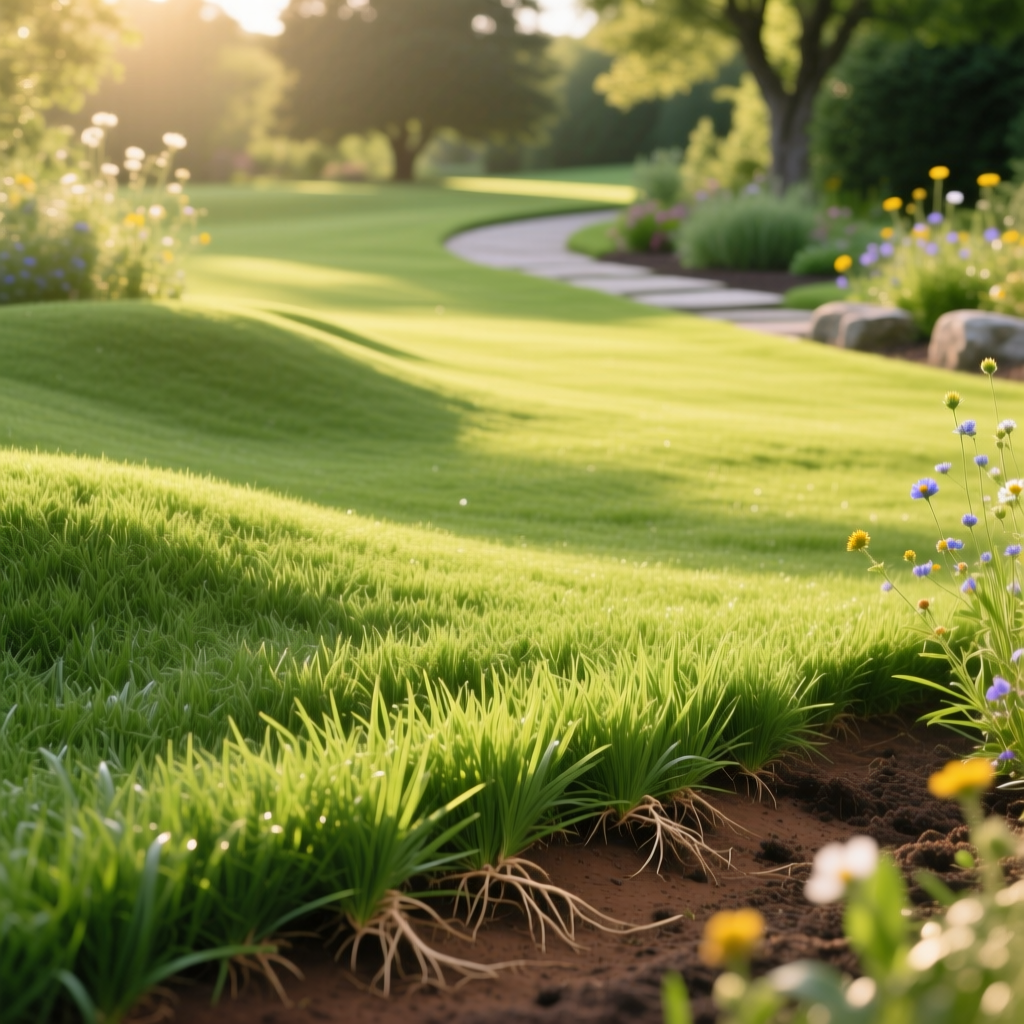
The Best Grass Seed for Clay Soil and Full Sun: A Complete Guide
Sarah ChenPublished
Establishing a lush, green lawn in heavy clay soil under the blazing full sun is one of the most common challenges homeowners face. Clay soil is notorious for its dense, compacted nature, which restricts root growth, limits drainage, and locks up essential nutrients. When you combine these heavy soil conditions with the intense heat and rapid evaporation of full sun exposure, many standard grass varieties simply cannot survive. The soil bakes into a hard, cracked surface in the summer, suffocating shallow-rooted turf and leading to patchy, brown, and unhealthy lawns.
However, a difficult environment does not mean a beautiful lawn is impossible. The secret to success lies in selecting the right turfgrass species. Certain grasses have evolved deep, aggressive root systems capable of penetrating heavy clay, alongside the physiological resilience to withstand high heat and intense ultraviolet exposure. In this comprehensive guide, we will explore the best grass seed for clay soil and full sun, breaking down the top varieties, their ideal growing zones, and the specific maintenance routines required to turn your challenging yard into a vibrant, durable landscape.
Understanding the Challenges of Clay Soil in Full Sun
Before selecting a seed, it is crucial to understand the unique environmental dynamics at play in your yard. Clay particles are microscopic and pack tightly together, leaving very little pore space for air and water movement. While clay is naturally rich in minerals and nutrients, those nutrients are often tightly bound to the soil particles, making them inaccessible to turfgrass roots. Furthermore, the lack of aeration creates an anaerobic environment that can stunt root development and encourage fungal diseases during wet seasons.
When full sun is introduced to this equation, the challenges multiply. Intense solar radiation rapidly evaporates surface moisture, causing the top layer of clay to shrink, harden, and crack. This crusting effect prevents water from penetrating the soil profile during irrigation or rainfall, leading to runoff. Meanwhile, the dark color of clay soil absorbs immense amounts of heat, raising the soil temperature to levels that can literally cook the shallow roots of delicate grass species. To overcome the combination of poor drainage, soil compaction, and extreme heat, you must choose grass varieties with deep, vigorous root systems and high drought tolerance.
Top Grass Varieties for Heavy Soil and High Light
Not all turfgrasses are created equal. While some grasses prefer loose, sandy loams and partial shade, others are biological tanks designed to thrive in harsh conditions. Below are the top contenders for the best grass seed for clay soil and full sun, categorized by their seasonal growth habits and unique characteristics.
Tall Fescue (The Cool-Season Champion)
For homeowners in cool-season and transition zones, Tall Fescue is widely considered the absolute best grass seed for clay soil and full sun. Unlike traditional fine fescues or Kentucky bluegrass, modern turf-type tall fescue varieties develop massive, deep root systems that can extend two to three feet into the ground. These deep roots act like biological drill bits, breaking through compacted clay layers to access deep moisture reserves and trapped nutrients.
Tall fescue is a bunchgrass, meaning it grows in clumps rather than spreading via above-ground stolons. However, its wide leaf blades and deep green color provide excellent coverage and high wear tolerance. It thrives in full sun, maintaining its vibrant color even during the peak of summer heat, provided it is watered deeply. Because it is highly adaptable to varying pH levels and poor soil structures, tall fescue is the most reliable choice for heavy clay yards in northern and mid-tier climates.
Bermuda Grass (The Heat-Loving Warrior)
If you live in a warm-season climate where summer temperatures consistently soar, Bermuda Grass is an unparalleled choice for full sun and heavy soils. Bermuda grass is a fiercely aggressive spreader, utilizing both above-ground stolons and below-ground rhizomes to form a dense, impenetrable turf. Once established, its robust root system easily navigates heavy clay, and its high heat tolerance means it actually thrives under the intense solar radiation that would scorch other species.
The primary drawback of Bermuda grass in clay soil is the establishment phase. Because clay is hard to penetrate, initial soil preparation is vital to allow the rhizomes to spread. However, once the sod knits together, Bermuda grass becomes incredibly drought-tolerant and highly resistant to the wear and tear of foot traffic. It demands full sun—requiring at least eight hours of direct sunlight daily—making it the perfect candidate for open, unshaded clay yards in the southern United States.
Zoysia Grass (The Dense and Durable Carpet)
Zoysia Grass is a premium warm-season turf that offers a beautiful, carpet-like appearance while possessing the rugged resilience needed for clay soils. Zoysia develops a remarkably deep and extensive root system that excels at pulling moisture from dense, heavy soils. Its thick, stiff leaf blades create a dense canopy that shades the underlying clay, significantly reducing surface evaporation and preventing the soil from baking and cracking in the full sun.
Zoysia is highly drought-tolerant and requires less frequent mowing than Bermuda grass due to its slower vertical growth rate. It handles the transition zone exceptionally well, surviving colder winters than Bermuda while maintaining superior heat tolerance. The main trade-off with Zoysia is its slow establishment rate. Seeding Zoysia in clay requires patience, as it can take a full season or more to achieve complete coverage, but the long-term payoff is a luxurious, low-maintenance lawn that laughs at heavy soil and blazing sun.
Buffalo Grass (The Native Drought-Tolerant Option)
For those seeking an eco-friendly, low-input lawn, Buffalo Grass is a phenomenal native option for clay soil and full sun. Originating from the harsh prairies of North America, Buffalo grass evolved to survive in heavy, alkaline clay soils with minimal rainfall. It requires a fraction of the water needed by traditional turfgrasses and thrives in full, unfiltered sunlight.
Buffalo grass spreads via stolons, creating a soft, fine-textured, blue-green turf. It is exceptionally well-suited for regions with hot, dry summers and heavy clay subsoils. Because it is a native species, it is naturally resistant to many local pests and diseases. However, it does have a shorter growing season, turning brown earlier in the fall and greening up later in the spring compared to other warm-season grasses. It also prefers a higher mowing height to protect its crown and maintain its natural, meadow-like aesthetic.
Growing Zones and Climate Considerations
Selecting the best grass seed for clay soil and full sun is not just about the soil type; it is fundamentally tied to your geographic climate and USDA hardiness zone. Planting a warm-season grass in a cool northern climate will result in winter kill, while planting a cool-season grass in the deep south will lead to summer burnout.
- Cool-Season Zones (Northern US & Canada): Tall Fescue is the undisputed king of clay in these regions. It survives freezing winters and maintains strong growth during the cool springs and falls, while its deep roots protect it during brief summer heatwaves.
- Warm-Season Zones (Southern US): Bermuda grass and Buffalo grass dominate here. They thrive in the intense heat, go dormant and brown during mild winters, and aggressively push through heavy southern red clays.
- The Transition Zone (Middle US): This challenging band stretching from the Mid-Atlantic to the Midwest experiences both freezing winters and sweltering summers. Zoysia grass and Tall Fescue are the best choices here, as they possess the genetic flexibility to endure both extremes while managing heavy clay soils.
Before purchasing seed, always consult a comprehensive soil testing guide to understand your specific soil pH and nutrient profile, as clay soils can sometimes be highly alkaline or acidic depending on your region.
Essential Maintenance for Clay Soil Lawns
Even the most resilient grass seed will struggle if the underlying clay soil is completely neglected. Proper lawn care practices are essential to maintain soil structure, encourage deep rooting, and prevent the surface from hardening into concrete under the full sun.
Core Aeration: This is the single most important maintenance task for clay soil lawns. Over time, foot traffic and heavy rains compress clay particles, choking off oxygen to the roots. Performing core aeration at least once a year—preferably in the fall for cool-season grasses and late spring for warm-season grasses—removes small plugs of soil, creating channels for air, water, and nutrients to reach the deep root zone.
Deep and Infrequent Watering: Clay soil holds water tightly, but the surface crusts over quickly in the sun. Shallow, daily watering only encourages weak, surface-level roots that will burn in the heat. Instead, practice deep, infrequent watering. Apply enough water to penetrate 4 to 6 inches into the soil, then allow the surface to dry slightly before the next irrigation. This trains the grass roots to grow deep into the clay profile. For new lawns, follow our guide on watering new grass seed to ensure proper germination without washing away the seed.
Mowing High: Never scalp a lawn growing in clay soil under full sun. Keeping your mower blade set to a higher cutting height (3 to 4 inches for Tall Fescue, 2 to 3 inches for Bermuda and Zoysia) allows the grass blades to shade the soil. This shading effect drastically reduces surface evaporation, keeps the soil temperature cooler, and prevents the clay from baking and cracking.
Topdressing with Organic Matter: To permanently improve clay soil structure, topdress your lawn with a thin layer of high-quality compost after aeration. The organic matter will work its way into the aeration holes, introducing beneficial microbes that help break up compacted clay particles and improve long-term drainage.
Grass Type Comparison Table
| Grass Type | Season | Root Depth | Drought Tolerance | Wear Tolerance | Establishment Speed |
|---|---|---|---|---|---|
| Tall Fescue | Cool-Season | Very Deep (2-3 ft) | High | High | Fast (7-14 days) |
| Bermuda Grass | Warm-Season | Deep (up to 6 ft) | Very High | Very High | Moderate (14-21 days) |
| Zoysia Grass | Warm-Season | Deep | High | High | Slow (21-30+ days) |
| Buffalo Grass | Warm-Season | Very Deep | Extreme | Moderate | Slow (14-30 days) |
Frequently Asked Questions (FAQ)
How do I prepare clay soil before planting grass seed?
Preparation is critical for seed-to-soil contact in heavy clay. Start by tilling the top 2 to 3 inches of soil to break up the surface crust. Avoid deep tilling, which can create a hardpan layer beneath the surface. Incorporate a generous amount of organic compost or peat moss to improve soil structure and drainage. Rake the area smooth, ensuring a slight grade away from your home for proper runoff, and use a lawn roller to firm the seedbed before broadcasting your seed. If you are fixing an existing thin lawn, consider overseeding thin lawns using a slit-seeder or by heavily aerating beforehand.
Can I mix grass seeds for better clay soil coverage?
Yes, seed blending is a highly effective strategy, particularly in the transition zone. A common and highly successful mix for clay soil and full sun is 90% Turf-Type Tall Fescue and 10% Kentucky Bluegrass. The tall fescue provides the deep, drought-tolerant roots needed to penetrate the clay and withstand the sun, while the Kentucky bluegrass spreads via rhizomes to fill in bare spots and repair damage from foot traffic. Ensure that both species in your mix are rated for full sun and heavy soils.
How often should I water a new lawn in clay soil?
Newly seeded lawns require consistent moisture to germinate, but clay soil complicates this because it can easily become waterlogged. For the first two weeks, water lightly 2 to 3 times a day just to keep the top half-inch of soil moist. Because clay retains water well, you must monitor the soil closely to prevent pooling, which can drown the seed or encourage fungal rot. Once the grass reaches 2 inches in height, gradually reduce the frequency of watering while increasing the volume to encourage those vital deep roots. For detailed schedules, review our expert tips on watering new grass seed.
Will gypsum help break up my clay soil for grass?
This is a common lawn care myth. Gypsum (calcium sulfate) is highly effective at breaking up sodic clay soils—soils that contain high levels of exchangeable sodium, which is common in some arid, western regions. However, for the vast majority of homeowners with standard heavy clay soils, gypsum will not improve soil structure or drainage. The best amendment for standard clay soil is organic matter, such as compost, humic acids, and regular core aeration. Always perform a soil test to determine if your clay is sodic before investing in gypsum.
What is the best fertilizer for grass growing in heavy clay?
Clay soil naturally holds onto nutrients tightly, meaning fertilizers can sometimes become locked up and unavailable to the grass. To combat this, use a fertilizer that includes chelated micronutrients and humic acid. Humic acid acts as a natural chelator, binding to nutrients in the clay and making them bioavailable to the turfgrass roots. Furthermore, utilizing slow-release nitrogen fertilizers prevents rapid, weak top-growth and instead feeds the deep root system steadily over time. Learn more about choosing the best fertilizer for clay soil to maximize your lawn's health.
Conclusion
Transforming a yard with heavy clay soil and relentless full sun exposure into a thriving, green oasis requires a strategic approach. By abandoning delicate turf varieties and embracing deep-rooted, resilient species like Tall Fescue, Bermuda grass, Zoysia, or Buffalo grass, you set the foundation for long-term success. Pairing the right seed selection with rigorous maintenance practices—specifically annual core aeration, deep watering, and the addition of organic matter—will permanently improve your soil structure. With patience and the right knowledge, your challenging clay lawn can become the most durable and beautiful landscape on the block.

