
Grass Types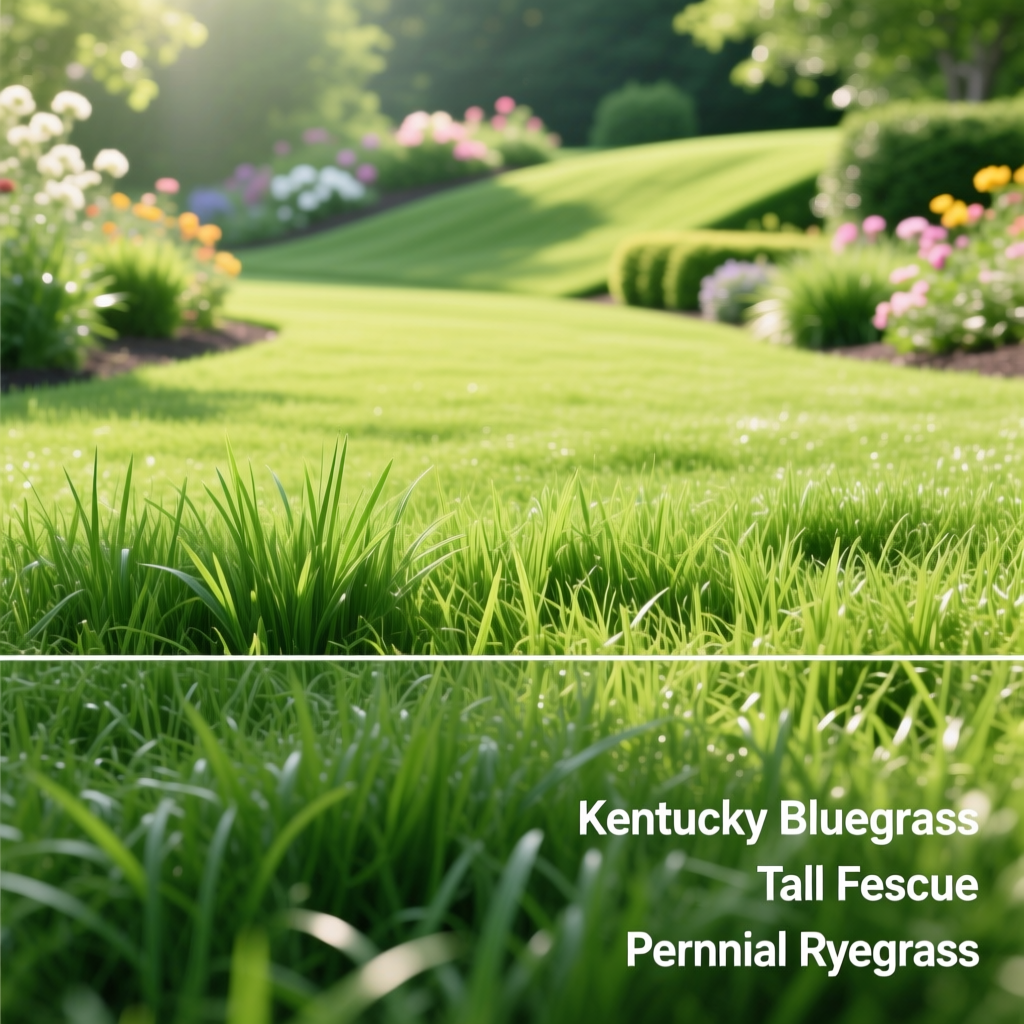
Best Grass Seed for Ohio: Top Varieties for a Lush, Healthy Lawn
Anna KowalskiPublished
Best Grass Seed for Ohio: Top Varieties for a Lush, Healthy Lawn
Ohio sits squarely in the heart of the cool-season grass belt, making it one of the most versatile states for growing a thick, vibrant lawn. From the shores of Lake Erie in the north to the rolling hills of Appalachia in the south, homeowners across the Buckeye State share a common goal: finding the best grass seed for Ohio that will thrive through humid summers, frigid winters, and everything in between.
Choosing the right grass variety is the single most important decision you will make for your lawn. The wrong seed can lead to patchy growth, disease problems, and constant reseeding. The right seed, matched to your specific region and soil conditions, sets the foundation for decades of low-maintenance beauty. Whether you are establishing a brand-new lawn or overseeding an existing one, this comprehensive guide will walk you through every top-performing grass type for Ohio, along with the planting strategies and care routines that deliver the best results.
Before diving into specific varieties, it helps to understand Ohio's growing environment. The state spans USDA Plant Hardiness Zones 5b through 6b, with average winter minimums ranging from -15°F in the northeast to around 0°F in the southern counties. Summers are warm and humid, with temperatures frequently reaching the mid-80s and occasionally pushing past 90°F. Annual rainfall averages between 35 and 42 inches, distributed fairly evenly throughout the year. These conditions are ideal for cool-season grasses, which grow most vigorously in spring and fall, go semi-dormant during summer heat stress, and green up again when cooler weather returns.
Kentucky Bluegrass: The Classic Ohio Lawn Favorite
Kentucky bluegrass (Poa pratensis) has been the gold standard for Ohio lawns for generations, and for good reason. This cool-season perennial delivers a dense, carpet-like turf with a rich emerald-green color that few other grasses can match. Its fine-to-medium blade texture feels soft underfoot, making it ideal for families with children and pets who use the yard frequently.
Characteristics & Growing Zones
Kentucky bluegrass thrives throughout all of Ohio's hardiness zones, from Zone 5b in the northeastern highlands to Zone 6b along the Ohio River valley. It performs best in full sun but can tolerate light shade. One of its most remarkable traits is its rhizomatous growth habit — underground stems called rhizomes spread laterally, allowing the grass to fill in bare spots and recover from damage naturally. This self-repairing ability makes it an outstanding choice for high-traffic areas.
The soil in much of Ohio tends toward heavy clay, which can present drainage challenges. Kentucky bluegrass prefers well-drained soils with a pH between 6.0 and 7.0. If your soil is compacted clay, core aeration before seeding will dramatically improve establishment rates.
Maintenance Requirements
Kentucky bluegrass requires a moderate-to-high level of maintenance to look its best. Plan on mowing to a height of 2.5 to 3.5 inches during the growing season. During peak summer heat, raising the mowing height to 3.5 or even 4 inches helps shade the soil and reduce moisture loss. This grass needs approximately 1 to 1.5 inches of water per week, either from rainfall or irrigation, and benefits from a structured fertilization program with three to four applications per year — typically in early spring, late spring, early fall, and late fall.
Disease pressure can be a concern during Ohio's humid summers. Dollar spot, leaf spot, and powdery mildew occasionally affect Kentucky bluegrass lawns. Choosing modern, disease-resistant cultivars such as 'Midnight,' 'Kenblue,' or 'NuGlade' significantly reduces these risks.
Pros & Cons
| Pros | Cons |
|---|---|
| Beautiful, dense turf with excellent color | Moderate-to-high water requirements |
| Self-repairing via rhizomes | Slow germination (14–30 days) |
| Excellent cold tolerance for Ohio winters | Struggles in heavy shade |
| Soft texture ideal for play areas | Susceptible to some summer diseases |
| Wide cultivar selection available | Requires regular fertilization |
Tall Fescue: The Tough, Drought-Tolerant Workhorse
Tall fescue (Festuca arundinacea) has surged in popularity across Ohio over the past two decades, and modern turf-type and dwarf-type cultivars look nothing like the coarse, clumpy fescue of the past. Today's improved tall fescues produce a fine-textured, dark green lawn that rivals Kentucky bluegrass in appearance while offering superior drought tolerance and heat resilience — two traits that are increasingly valuable as Ohio summers grow warmer.
Characteristics & Growing Zones
Tall fescue is well adapted to every region of Ohio. Its deep root system — reaching 2 to 3 feet under favorable conditions — allows it to access moisture that shallow-rooted grasses simply cannot reach. This makes it an excellent option for lawns that receive limited irrigation or sit on sandy or rocky soils where water drains quickly.
Unlike Kentucky bluegrass, tall fescue is a bunch-type grass, meaning it grows in clumps rather than spreading via rhizomes. While this limits its self-repairing ability, it also means tall fescue is less likely to invade garden beds or spread where you do not want it. For Ohio homeowners dealing with weed control challenges, tall fescue's dense growth habit naturally crowds out many common lawn weeds.
Tall fescue also tolerates shade better than Kentucky bluegrass, making it a strong candidate for properties with mature trees. It grows well in a variety of soil types, including the heavy clay common throughout much of Ohio, and it tolerates a wider pH range (5.5 to 7.5).
Maintenance Requirements
One of tall fescue's biggest selling points is its relatively low maintenance profile. Mowing height should be kept between 3 and 4 inches — taller than most cool-season grasses — which encourages deep rooting and shades out crabgrass and other warm-season weeds. Fertilization needs are moderate: two to three applications per year are usually sufficient, with the most important application occurring in early fall.
Watering requirements are lower than Kentucky bluegrass, with approximately 1 inch per week being adequate for most established lawns. During extended droughts, tall fescue will go dormant and turn brown, but it typically recovers quickly once moisture returns. If brown patch disease appears during hot, humid spells, reducing evening irrigation and improving air circulation usually resolves the issue.
Because tall fescue is a bunch grass, overseeding every two to three years is recommended to maintain density and prevent thin, open areas from developing.
Pros & Cons
| Pros | Cons |
|---|---|
| Excellent drought & heat tolerance | Bunch growth habit — does not self-repair |
| Deep roots reduce watering needs | Can look clumpy if older varieties are used |
| Good shade tolerance | Requires periodic overseeding |
| Natural weed resistance | Brown patch risk in humid summers |
| Adaptable to many soil types | Coarser texture than bluegrass (in some cultivars) |
Perennial Ryegrass: Fast Germination & Quick Establishment
Perennial ryegrass (Lolium perenne) is the speed demon of the cool-season grass world. Where Kentucky bluegrass may take three to four weeks to germinate, perennial ryegrass often sprouts in just 5 to 7 days. This rapid establishment makes it an invaluable tool for Ohio homeowners who need quick ground cover to prevent erosion, fill in damaged areas, or establish a lawn on a tight timeline.
Characteristics & Growing Zones
Perennial ryegrass is well suited to Ohio's climate, particularly in the northern and central regions (Zones 5b–6a) where winters are cold but not extreme. It features a fine-to-medium leaf texture with a bright green color and excellent wear tolerance, which is why it is commonly used on sports fields and high-traffic recreational areas throughout the state.
Like tall fescue, perennial ryegrass is a bunch-type grass. It does not spread laterally, so it is often blended with Kentucky bluegrass to combine ryegrass's quick establishment with bluegrass's long-term spreading and filling ability. A typical Ohio lawn mix might contain 60–70% Kentucky bluegrass and 30–40% perennial ryegrass, giving you the best of both worlds.
Perennial ryegrass prefers full sun to light shade and performs best in well-drained, fertile soils. It tolerates the compacted soils found in many Ohio suburban yards reasonably well, though amending with organic matter at seeding time always improves results.
Maintenance Requirements
Perennial ryegrass requires moderate maintenance. Mow at 2 to 3 inches and never remove more than one-third of the blade height at a single mowing. This grass has a high nitrogen requirement — similar to Kentucky bluegrass — so plan on three to four fertilizer applications annually for the best color and density.
Water requirements are moderate, around 1 to 1.5 inches per week. Perennial ryegrass is less drought-tolerant than tall fescue and will show stress (wilting and browning) sooner during dry spells. It is also susceptible to several diseases common in Ohio, including gray leaf spot, red thread, and brown patch, so choosing endophyte-enhanced cultivars is strongly recommended. Endophytes are naturally occurring fungi that live within the grass plant and provide resistance to both insects and diseases.
Pros & Cons
| Pros | Cons |
|---|---|
| Fastest germination of cool-season grasses | Lower drought tolerance |
| Excellent wear resistance | Does not self-repair (bunch-type) |
| Bright green color & fine texture | Higher disease susceptibility |
| Great for overseeding & erosion control | Higher nitrogen requirements |
| Blends well with other cool-season grasses | May thin out in extreme summer heat |
Fine Fescue: The Best Choice for Shaded Ohio Lawns
If your Ohio property features large trees, north-facing slopes, or other heavily shaded areas where Kentucky bluegrass and perennial ryegrass struggle, fine fescue is your answer. This group of closely related species — including creeping red fescue, chewings fescue, hard fescue, and sheep fescue — offers unmatched shade tolerance among cool-season lawn grasses.
Characteristics & Growing Zones
Fine fescues are adapted to all of Ohio's growing zones and excel in the cool, shaded understories of mature deciduous trees. Their needle-thin leaf blades create a soft, lush texture that is visually distinct from broader-bladed grasses. Creeping red fescue spreads slowly via short rhizomes, giving it modest self-repairing ability, while hard fescue and sheep fescue grow in tight bunches.
These grasses are remarkably low-input performers. They thrive in poor, sandy, or rocky soils where other grasses would starve, and they require significantly less fertilizer than Kentucky bluegrass or perennial ryegrass. Fine fescues also exhibit good drought tolerance once established, thanks to their ability to enter summer dormancy and recover when conditions improve.
Many premium cool-season grass seed blends marketed for shade include a significant fine fescue component, often blended with a smaller percentage of perennial ryegrass for faster establishment.
Maintenance Requirements
Fine fescue is arguably the lowest-maintenance grass available for Ohio lawns. Mowing at 2.5 to 4 inches is recommended, and many homeowners with low-traffic shaded areas choose to mow even higher or simply let the grass grow to a natural meadow-like height. Fertilization needs are minimal — one to two light applications per year (primarily in fall) are usually sufficient.
Watering should be moderate. While fine fescues are drought-tolerant, they do not tolerate waterlogged soils, so ensure proper drainage in shaded areas where water may pool. Avoid heavy nitrogen applications, which can actually harm fine fescue by promoting lush growth that is more susceptible to disease. Red thread and summer patch occasionally appear but rarely cause long-term damage.
Fine fescue does not handle heavy foot traffic well. It is best reserved for ornamental lawn areas, shaded slopes, and low-use zones rather than play areas or pathways. For a comprehensive approach to caring for shaded turf, explore our shade lawn care guide.
Pros & Cons
| Pros | Cons |
|---|---|
| Superior shade tolerance | Poor traffic tolerance |
| Very low fertilizer requirements | Can thin in full sun during summer heat |
| Good drought tolerance | Slower to establish than ryegrass |
| Grows well in poor soils | Limited self-repairing ability |
| Low overall maintenance needs | Not ideal for high-use play areas |
Grass Seed Blends & Mixes: Maximizing Performance Across Ohio
While single-species lawns have their place, most Ohio turf experts recommend using a carefully formulated grass seed blend or mix. A blend contains multiple cultivars of the same species (for example, three different Kentucky bluegrass cultivars), while a mix combines two or more species (such as Kentucky bluegrass, perennial ryegrass, and fine fescue together).
Why Blends & Mixes Work Better in Ohio
Ohio's weather is notoriously unpredictable. A spring drought might follow a wet winter, and a stretch of 95°F days can appear in June or August with little warning. By planting a mix of species and cultivars, you create genetic diversity that acts as an insurance policy. If one grass type struggles under a particular stress — say, Kentucky bluegrass during a drought — the tall fescue component in the mix can hold the lawn together until conditions improve.
Here are the most effective blend and mix strategies for different Ohio lawn situations:
- Full-sun front yards: A blend of three to four Kentucky bluegrass cultivars provides the densest, most uniform appearance. Look for cultivars rated highly for disease resistance and drought tolerance.
- Mixed sun & shade: A mix of 40–50% Kentucky bluegrass, 30–40% tall fescue or fine fescue, and 10–20% perennial ryegrass covers a wide range of light conditions across your property.
- Heavy shade: A mix dominated by fine fescues (60–80%) with 20–40% perennial ryegrass for quick cover gives the best results under tree canopies.
- High-traffic family lawns: A blend of Kentucky bluegrass (for self-repair) and perennial ryegrass (for wear tolerance) stands up to active children and pets.
- Low-maintenance & eco-friendly lawns: A mix of hard fescue, creeping red fescue, and chewings fescue creates a beautiful lawn that needs minimal water, fertilizer, and mowing.
When & How to Plant Grass Seed in Ohio
Timing is critical for successful seed establishment. The best time to plant grass seed in Ohio is late summer to early fall — roughly mid-August through mid-October, depending on your zone. Fall planting offers several advantages: warm soil promotes rapid germination, cool air temperatures reduce heat stress on seedlings, fall rains provide consistent moisture, and young grass has two cool growing seasons (fall and spring) to build roots before facing its first brutal Ohio summer.
Spring seeding (late March through early May) is the second-best option but comes with challenges. Spring-planted grass has a shallow root system when summer heat arrives, making it more vulnerable to drought and weed competition. If you must seed in spring, be prepared to irrigate regularly throughout the summer and apply a pre-emergent crabgrass preventer that is labeled as safe for new seedlings (most standard pre-emergents will kill grass seed, so read labels carefully).
Before seeding, prepare the soil by removing debris, loosening the top 2 to 3 inches, and leveling the surface. A soil test is highly recommended so you can adjust pH and nutrient levels before planting. Spread seed at the rate recommended on the label — typically 3 to 5 pounds per 1,000 square feet for Kentucky bluegrass and 6 to 8 pounds per 1,000 square feet for tall fescue. Lightly rake seed into the top quarter-inch of soil, apply a thin layer of straw mulch to retain moisture, and water lightly two to three times daily until germination occurs.
Comparison Table: Best Grass Types for Ohio at a Glance
| Feature | Kentucky Bluegrass | Tall Fescue | Perennial Ryegrass | Fine Fescue |
|---|---|---|---|---|
| Germination Time | 14–30 days | 7–14 days | 5–7 days | 7–21 days |
| Drought Tolerance | Moderate | High | Low–Moderate | Moderate–High |
| Shade Tolerance | Low–Moderate | Moderate | Low–Moderate | High |
| Traffic Tolerance | High | Moderate–High | High | Low |
| Cold Tolerance | Excellent | Good | Good | Excellent |
| Maintenance Level | Moderate–High | Low–Moderate | Moderate | Low |
| Growth Habit | Rhizomatous (spreads) | Bunch-type | Bunch-type | Bunch / Short rhizomes |
| Best Use in Ohio | Full-sun lawns, play areas | General-purpose, drought-prone areas | Overseeding, quick cover | Shaded areas, low-maintenance lawns |
| Mowing Height | 2.5–3.5 inches | 3–4 inches | 2–3 inches | 2.5–4 inches |
| Fertilizer Needs | 3–4 apps/year | 2–3 apps/year | 3–4 apps/year | 1–2 apps/year |
Frequently Asked Questions About Grass Seed in Ohio
What is the single best grass seed for Ohio lawns?
There is no single "best" grass for every Ohio lawn, as the ideal choice depends on your site conditions. For full-sun lawns with moderate maintenance, a Kentucky bluegrass blend offers the most attractive, self-repairing turf. For homeowners who want lower maintenance and better drought tolerance, turf-type tall fescue is the top pick. In heavily shaded yards, a fine fescue mix will outperform everything else. Most Ohio lawns benefit from a mix that combines two or more species for resilience across varying conditions.
When is the best time to seed a lawn in Ohio?
The optimal seeding window for Ohio is mid-August through mid-October. During this period, soil temperatures remain warm enough for fast germination, air temperatures are cooling to reduce stress on young seedlings, and fall rains help maintain consistent soil moisture. Spring seeding from late March through early May is a secondary option, but spring-planted lawns face greater weed competition and summer heat stress during their first season. For more seasonal guidance, visit our seasonal lawn care calendar.
Can I mix Kentucky bluegrass and tall fescue in the same Ohio lawn?
Yes, and many professional turf managers in Ohio recommend doing exactly that. A mix of Kentucky bluegrass and tall fescue combines the self-repairing, spreading ability of bluegrass with the deep-rooted drought tolerance of tall fescue. The key is to use turf-type tall fescue cultivars with a finer texture that blends visually with bluegrass. A common ratio is 60–70% tall fescue to 30–40% Kentucky bluegrass by seed weight. This combination performs well across a wide range of Ohio soil types and light conditions.
How much grass seed do I need for my Ohio lawn?
Seeding rates vary by species. For Kentucky bluegrass, apply 2 to 3 pounds per 1,000 square feet for new lawns and 1 to 1.5 pounds per 1,000 square feet for overseeding. For tall fescue, apply 6 to 8 pounds per 1,000 square feet for new lawns and 3 to 5 pounds for overseeding. Perennial ryegrass requires 5 to 7 pounds per 1,000 square feet for new establishment. Always check the specific rate on your seed bag, as recommendations vary by cultivar and whether the seed is coated. Measuring your lawn area accurately before purchasing seed prevents both waste and thin coverage — our lawn measurement guide can help you calculate your square footage.
Why does my Ohio lawn turn brown every summer?
Summer browning is a natural dormancy response in cool-season grasses when temperatures consistently exceed 85°F and soil moisture is limited. Kentucky bluegrass and fine fescue are particularly prone to going dormant during Ohio's hot, dry summer stretches. This dormancy is a survival mechanism — the grass is not dead, just resting. To minimize summer browning, water deeply but infrequently (about 1 inch per week in a single session), mow at the highest recommended height for your grass type, and choose drought-tolerant cultivars like turf-type tall fescue. If your lawn fails to green up after fall rains return, the issue may be disease, insect damage, or soil compaction rather than simple dormancy. A lawn disease identification guide can help you diagnose persistent problems.
Should I use a starter fertilizer when planting grass seed in Ohio?
Yes, applying a starter fertilizer at the time of seeding is one of the most effective ways to boost germination rates and accelerate root development. Starter fertilizers are higher in phosphorus than standard lawn fertilizers — phosphorus being the nutrient most critical for early root growth. Apply the starter fertilizer according to the product label just before or immediately after seeding. Note that some Ohio municipalities have restrictions on phosphorus-containing fertilizers, so check local regulations. In most cases, a soil test will reveal whether your soil already has adequate phosphorus, potentially eliminating the need for a starter application altogether.
Choosing the best grass seed for Ohio ultimately comes down to understanding your lawn's unique conditions — sunlight exposure, soil type, traffic levels, and how much time you want to spend on maintenance. Whether you opt for the classic beauty of Kentucky bluegrass, the rugged resilience of tall fescue, the quick results of perennial ryegrass, or the shade-loving nature of fine fescue, planting the right seed at the right time sets you on the path to a lawn you will enjoy for years to come. For ongoing care tips and expert advice, explore our complete library of lawn care guides and keep your Ohio lawn looking its best in every season.