Grass Types
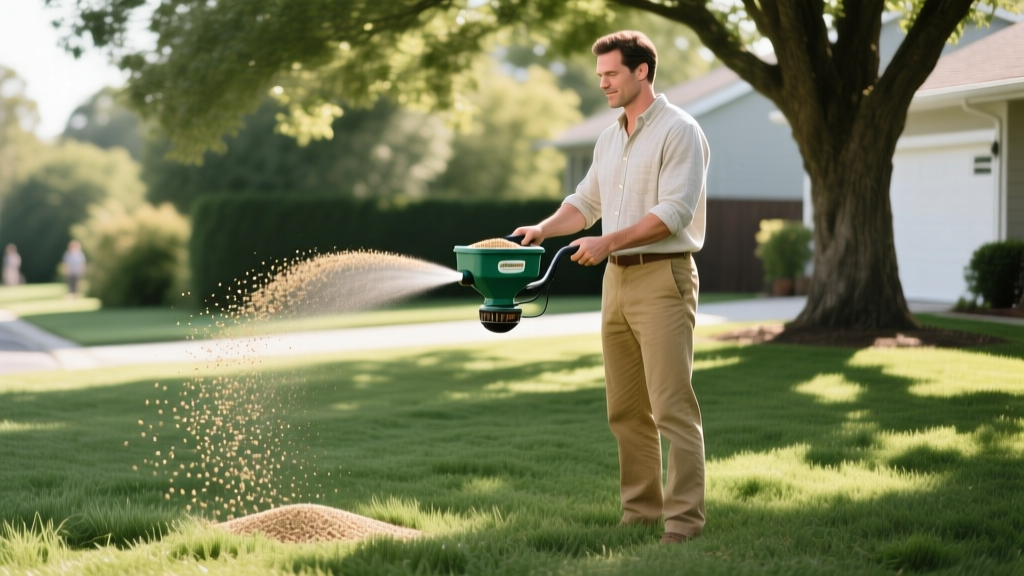
The Ultimate Guide to the Best Grass Seed for Shade and Sun
The best grass for sun and shade is a blend of turf-type tall fescue and fine fescue. Tall fescue provides deep roots for sunny, drought-prone areas, while fine fescue thrives in the shaded sections of your yard. For warm-season climates, a mix of Zoysia grass and St. Augustine grass offers the best dual-light performance.
This guide is specifically written for homeowners and property managers maintaining yards with mixed light exposure, such as areas bordering tree lines, fences, or shifting seasonal canopies.
Key Takeaways
- Turf-type tall fescue and fine fescue blends are the top cool-season choices for mixed light.
- Zoysia grass provides the best warm-season coverage for shifting sun and shade patterns.
- Mixed-light lawns require a minimum of 4 to 6 hours of direct or filtered sunlight daily.
- Overseed shaded areas at a rate of 3 to 5 pounds per 1,000 square feet.
Understanding Light Requirements for Mixed Lawns
Lawns transitioning between full sun and heavy shade require species that can adapt to fluctuating photosynthesis rates. Selecting the correct seed prevents thinning in shaded zones and burning in exposed areas.
Defining Sun and Shade Tolerance
Dappled Shade: A lighting condition where sunlight filters through the canopy of deciduous trees, creating shifting patterns of light and shadow on the ground. Lawns in dappled shade typically receive 3 to 4 hours of filtered sunlight daily, requiring grass species with moderate shade tolerance and high disease resistance.
Full sun areas demand grass with high evapotranspiration resistance. According to the Pennsylvania State University Cooperative Extension, shade-tolerant grasses still require a minimum of 4 hours of direct or filtered sunlight to maintain structural integrity and resist fungal pathogens.
Top Grass Species for Sun and Shade Mixes
No single grass species performs perfectly in both extreme full sun and deep shade. Blending complementary species creates a resilient turf that adapts to microclimates within your yard.
Turf-Type Tall Fescue
Turf-type tall fescue is the premier cool-season grass for sun and shade mixes. It features a deep root system that accesses moisture in sunny areas, while its broad leaf blade captures limited light in shaded zones. Recent 2025 trial data from the National Turfgrass Evaluation Program highlights turf-type tall fescue for its superior brown patch resistance in humid, shaded environments.
Fine Fescue Blends
Fine fescues, including creeping red fescue and chewings fescue, excel in low-light conditions. When mixed with tall fescue, they fill in the shaded gaps where broader blades might thin out. Fine fescues require less nitrogen and water, making them highly efficient for the shaded perimeters of a property.
Warm-Season Alternatives
For homeowners in the southern United States, Zoysia grass and St. Augustine grass are the primary choices. Zoysia grass handles full sun beautifully while tolerating moderate shade. St. Augustine grass offers the highest shade tolerance of any warm-season species, though it requires more water in full-sun exposures.
Sun and Shade Grass Seed Comparison Matrix
Use this decision framework to select the right seed blend based on your regional climate and specific yard conditions.
| Grass Species | Climate Zone | Sun Tolerance | Shade Tolerance | Ideal Soil pH |
|---|---|---|---|---|
| Turf-Type Tall Fescue | Cool / Transition | Excellent | Good | 5.5 to 7.0 |
| Fine Fescue Blend | Cool | Moderate | Excellent | 5.5 to 6.5 |
| Kentucky Bluegrass | Cool | Excellent | Poor | 6.0 to 7.0 |
| Zoysia Grass | Warm / Transition | Excellent | Good | 6.0 to 6.5 |
| St. Augustine Grass | Warm | Good | Excellent | 6.5 to 7.5 |
Planting and Maintenance Guidelines
Establishing a mixed-light lawn requires precise seeding rates and soil preparation to ensure both species in the blend germinate successfully.
Seeding Rates and Soil Preparation
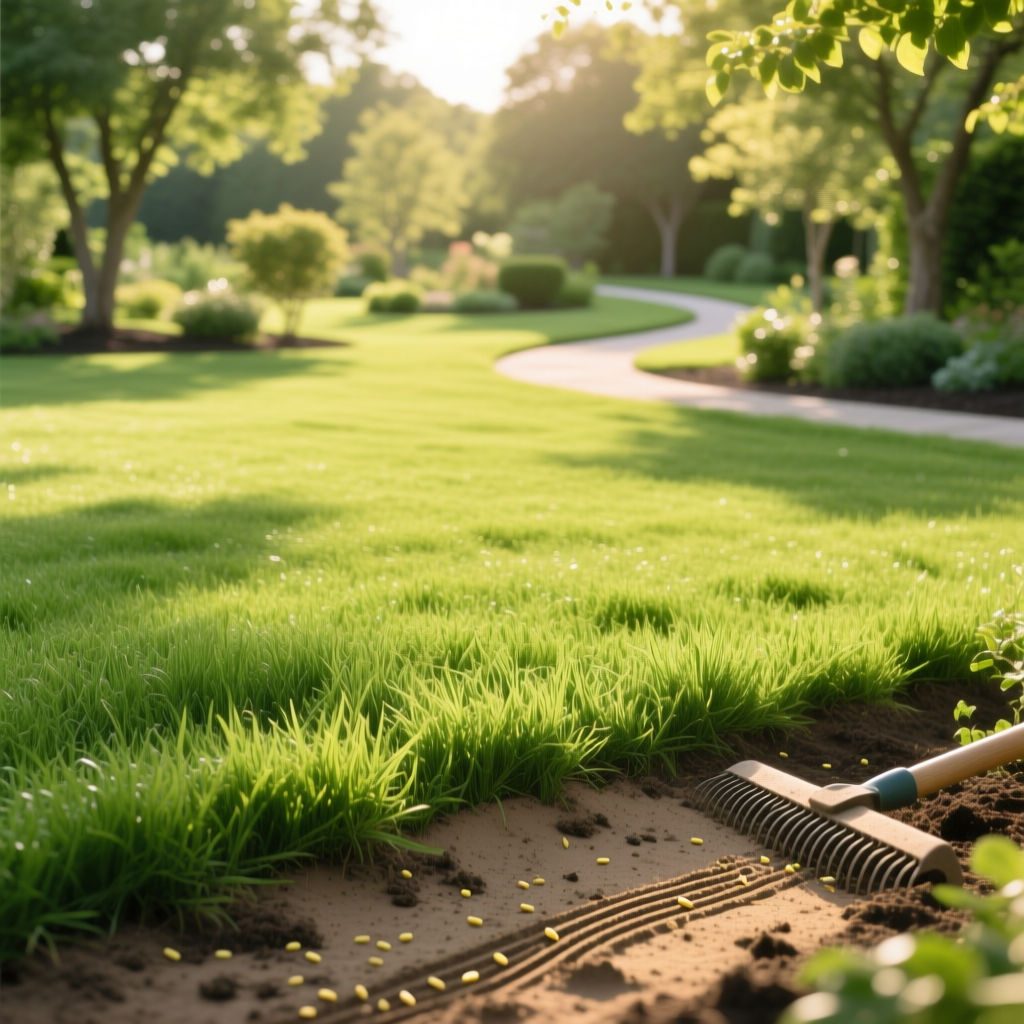
Prepare the soil by aerating compacted areas and applying a starter fertilizer with a 10-18-10 NPK ratio. For a new cool-season lawn, apply the tall fescue and fine fescue blend at a rate of 8 to 10 pounds per 1,000 square feet. For overseeding existing thin areas, reduce the rate to 3 to 5 pounds per 1,000 square feet.
Maintain soil temperatures between 65°F and 75°F for optimal cool-season germination. Water the newly seeded areas lightly to provide 2 to 3 inches of moisture per week, ensuring the top 1 inch of soil remains consistently damp until seedlings reach 3 inches in height.
Frequently Asked Questions
What is the best grass seed for sun and shade mix?
The best grass seed for sun and shade mix is a proprietary blend containing 70% turf-type tall fescue and 30% fine fescue. This ratio ensures dense coverage in sunny zones while allowing the fine fescue to dominate and sustain the shaded microclimates.
Can shade tolerant grass for full sun yards survive the summer?
Shade tolerant grass for full sun yards, such as fine fescue, will struggle in extreme summer heat without adequate irrigation. It is always better to use a blended seed mix rather than planting a pure shade-tolerant species in an area that receives full afternoon sun.
Is there a grass that grows in both sun and shade equally well?
No single grass that grows in both sun and shade equally well exists in nature. Grass species evolved to specialize in either high-light photosynthesis or low-light efficiency. Blending complementary species is the only scientifically proven method to achieve uniform growth across varying light conditions.
Conclusion
Selecting a tall fescue and fine fescue blend resolves the challenge of maintaining a uniform lawn across mixed-light environments. Your next step is to conduct a soil pH test using a digital meter and order a custom seed mix tailored to your specific hardiness zone before the fall planting window opens.