Grass Types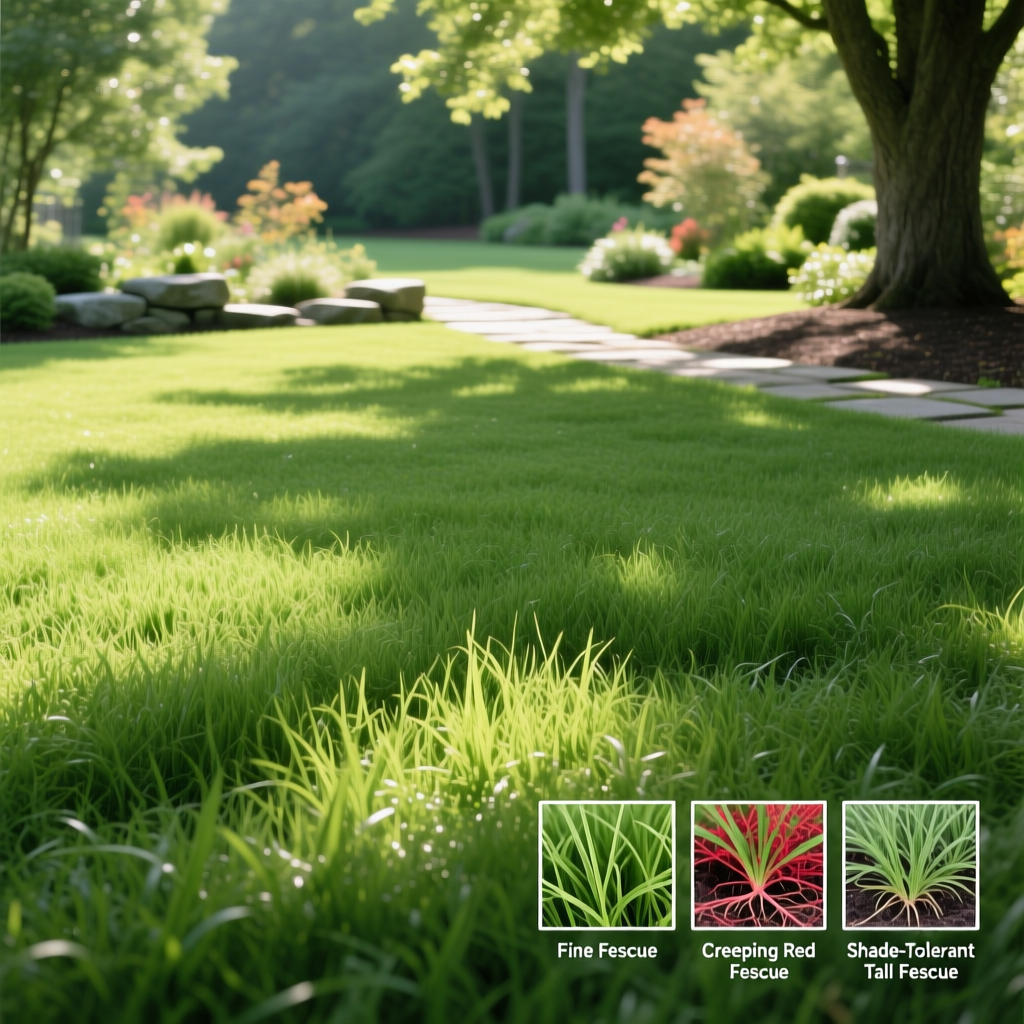
Best Grass Seed for Shade in North Carolina: Complete Guide
Anna KowalskiPublished
Best Grass Seed for Shade in North Carolina: The Complete Guide
Growing a lush, green lawn in North Carolina is challenging enough under full sun, but when shade enters the equation, the difficulty multiplies. Whether your yard is shaded by mature hardwood trees, bordered by dense pine stands, or cast in shadow from your home and outbuildings, choosing the right grass seed is the single most important decision you will make for a thriving shade lawn.
North Carolina's unique geography — stretching from the coastal plains through the Piedmont and into the mountain regions — means homeowners face a wide range of climate conditions. The state falls primarily in USDA Hardiness Zones 6a through 8a, and the transition zone between cool-season and warm-season grasses runs right through the state. This makes selecting shade-tolerant grass seed especially nuanced. What works in the mountains near Asheville may not perform well in the coastal areas around Wilmington.
In this comprehensive guide, we break down the best grass seed options for shady lawns across North Carolina, explore their characteristics, maintenance requirements, and help you determine which variety is the ideal fit for your specific region and yard conditions. For more general advice, be sure to explore our lawn care guides and our full library of grass type profiles.
Understanding Shade Conditions in North Carolina Lawns
Before selecting a grass seed, it is essential to understand the type and intensity of shade present in your yard. Not all shade is created equal, and grass varieties respond differently to varying light conditions.
Types of Shade
Light shade refers to areas that receive filtered sunlight for most of the day or roughly four to six hours of direct sun. This is the easiest shade condition for growing grass and opens up the widest range of seed options.
Partial shade describes areas that receive two to four hours of direct sunlight, typically in the morning or late afternoon. Many shade-tolerant grasses perform well in these conditions with proper care.
Dense shade is the most challenging environment. These areas receive fewer than two hours of direct sunlight per day, often under thick tree canopies or on the north side of buildings. Very few grass species thrive in dense shade, and even the most tolerant varieties will require careful management.
North Carolina's Climate Challenges for Shade Lawns
North Carolina sits squarely in the turfgrass transition zone, meaning both cool-season and warm-season grasses can be grown depending on your specific location. The state experiences hot, humid summers and relatively mild winters, but temperatures and precipitation patterns vary significantly from east to west.
In the mountain region (Zones 6a–6b), cooler temperatures favor cool-season grasses. Summers are milder, and shade lawns benefit from lower heat stress. The Piedmont region (Zones 7a–7b) represents the heart of the transition zone, where both grass categories can succeed but face seasonal stress. The coastal plain (Zones 7b–8a) experiences the hottest summers and longest growing seasons, making warm-season grasses more practical despite their generally lower shade tolerance.
Compounding the challenge, shade in North Carolina often comes from large deciduous trees like oaks, maples, and poplars. These trees not only block sunlight but also compete aggressively with grass for water and nutrients. Their root systems can extend well beyond the drip line, creating a hostile environment for turfgrass establishment. Learn more about managing trees and turf in our tree shade lawn care guide.
Top Grass Seed Varieties for Shade in North Carolina
The following grass varieties have proven track records in North Carolina's shaded environments. Each has distinct strengths, and the best choice depends on your region, soil type, and the level of shade in your yard.
1. Fine Fescue
Fine fescue is widely regarded as the most shade-tolerant cool-season grass available. This category includes several subspecies: creeping red fescue, chewings fescue, hard fescue, and sheep fescue. All share a fine, needle-like blade texture and exceptional performance in low-light conditions.
Characteristics: Fine fescues have a bunch-type or creeping growth habit depending on the subspecies. They establish relatively quickly from seed and develop a dense, attractive turf with a medium to dark green color. The fine blade texture gives lawns an elegant appearance, though it also means they are less tolerant of heavy foot traffic.
Growing Zones: Fine fescue excels in the mountain and Piedmont regions of North Carolina (Zones 6a–7b). It struggles in the heat of the coastal plain, where summer temperatures consistently exceed its comfort range.
Maintenance: Fine fescue requires minimal fertilization — typically one to two pounds of nitrogen per 1,000 square feet per year. Mowing height should be maintained between 2.5 and 3.5 inches to maximize leaf surface area for photosynthesis in low-light conditions. Water deeply but infrequently, as fine fescue is susceptible to fungal diseases in constantly moist soil. For detailed mowing strategies, check our mowing tips guide.
Pros:
- Superior shade tolerance — the best of all cool-season grasses
- Low fertilizer and water requirements
- Good cold hardiness for mountain regions
- Establishes quickly from seed
- Resists many common lawn diseases
Cons:
- Poor wear tolerance — not ideal for high-traffic areas
- Struggles in hot, humid coastal summers
- Can go dormant and brown during summer heat stress
- May thin out over time and require overseeding
2. Tall Fescue (Turf-Type and Dwarf Varieties)
Tall fescue is the most widely planted cool-season grass in North Carolina's Piedmont region, and for good reason. Modern turf-type and dwarf tall fescue varieties offer a strong combination of shade tolerance, heat resilience, and durability that makes them versatile performers across much of the state.
Characteristics: Tall fescue features a broader blade than fine fescue and a deep, aggressive root system that can extend four to six feet into the soil. This root depth gives it outstanding drought tolerance and helps it compete with tree roots for moisture and nutrients. Turf-type varieties have been bred for finer blades, denser growth, and darker green color compared to older forage-type varieties like Kentucky 31.
Growing Zones: Tall fescue performs best in the Piedmont and mountain regions (Zones 6a–7b). It can survive in the coastal plain but requires more intensive management to get through the hottest summer months. It is the recommended cool-season grass for the Raleigh-Durham, Charlotte, and Greensboro metro areas.
Maintenance: Tall fescue needs moderate fertilization — roughly two to four pounds of nitrogen per 1,000 square feet annually, applied primarily in fall and early spring. Maintain a mowing height of 3 to 4 inches, which is especially critical in shaded areas to maximize light capture. Deep, infrequent watering encourages the deep root growth that makes this grass so resilient. Overseeding every one to two years in fall helps maintain density, as tall fescue is a bunch-type grass that does not spread laterally. Visit our overseeding guide for step-by-step instructions.
Pros:
- Good shade tolerance, second only to fine fescue among cool-season options
- Excellent drought and heat tolerance for a cool-season grass
- Deep root system competes well with tree roots
- Good wear tolerance for family lawns
- Widely available and affordable seed
Cons:
- Bunch-type growth means it does not self-repair — requires overseeding
- Can develop brown patch disease in humid summer conditions
- Requires higher mowing heights that some homeowners find less attractive
- Summer dormancy possible in the hottest parts of the state
3. Zoysia Grass
For homeowners in the warmer parts of North Carolina who need a warm-season grass with legitimate shade tolerance, Zoysia is the top contender. This slow-growing but incredibly dense turfgrass offers a unique combination of shade adaptation, drought resistance, and a lush, carpet-like appearance.
Characteristics: Zoysia has a medium to fine blade texture depending on the cultivar. It spreads by both stolons and rhizomes, creating an extremely dense turf that resists weeds and recovers from damage over time. The color ranges from medium to dark green during the growing season, and the grass has a distinctive soft feel underfoot. Popular cultivars for North Carolina include 'Meyer' (Z-52), 'Emerald', 'Zeon', and 'Geo'.
Growing Zones: Zoysia performs best in the Piedmont and coastal plain regions (Zones 7a–8a). It can be grown in the warmer mountain valleys but may experience a shorter growing season and longer dormancy periods at higher elevations.
Maintenance: Zoysia requires moderate fertilization — one to three pounds of nitrogen per 1,000 square feet during the growing season (late spring through early fall). Mowing height ranges from 1 to 2.5 inches depending on the cultivar, with finer varieties like 'Emerald' and 'Zeon' performing best at the lower end. Thatch buildup can be an issue with Zoysia, so periodic dethatching or core aeration is recommended. Learn more in our dethatching and aeration guide.
Important Note: Zoysia is most commonly established via sod, plugs, or sprigs rather than seed. However, improved seeded varieties such as 'Zenith' and 'Compadre' are available and offer reasonable establishment from seed, though they take longer to fill in than sod or plugs. Plan for a full growing season for seeded Zoysia to reach full coverage.
Pros:
- Best shade tolerance among warm-season grasses
- Extremely dense turf crowds out weeds
- Outstanding drought and heat tolerance
- Low maintenance once established
- Good wear tolerance for a warm-season grass
Cons:
- Slow establishment — seeded varieties take one to two full seasons
- Goes dormant and turns brown from late fall through early spring
- Prone to thatch buildup requiring periodic maintenance
- Seeded varieties have coarser texture than premium sod cultivars
- Higher seed cost compared to fescues
4. St. Augustine Grass
St. Augustine is the most shade-tolerant warm-season grass overall, making it a viable option for coastal North Carolina homeowners dealing with significant shade. While it is rarely established from seed, its inclusion here is warranted due to its unmatched shade performance in the warmest parts of the state.
Characteristics: St. Augustine features a coarse, broad blade and a thick, carpeting growth habit. It spreads aggressively by above-ground stolons and creates a dense, dark green turf. The grass has a distinctive tropical appearance and feels soft underfoot despite its broad blades. Cultivars like 'Palmetto', 'Seville', and 'Sapphire' offer improved shade tolerance and finer textures.
Growing Zones: St. Augustine is limited to the coastal plain and southernmost Piedmont areas of North Carolina (Zones 7b–8a). It lacks the cold hardiness needed for the mountains and most of the Piedmont, where winter kill is a significant risk.
Maintenance: St. Augustine requires moderate to high fertilization — three to four pounds of nitrogen per 1,000 square feet during the growing season. Mowing height should be maintained at 2.5 to 4 inches, with higher cuts preferred in shade. It has high water needs compared to Zoysia and is susceptible to chinch bugs, gray leaf spot, and St. Augustine decline (SAD). Proper watering practices are essential to keep this grass healthy.
Establishment: St. Augustine is almost exclusively established through sod, plugs, or sprigs. Seeded St. Augustine is not commercially available in any practical sense. Homeowners seeking shade-tolerant warm-season grass from seed should consider Zoysia instead.
Pros:
- Unmatched shade tolerance among warm-season grasses
- Fast establishment from sod or plugs
- Thick turf suppresses weeds effectively
- Tolerates salt spray in coastal areas
Cons:
- Not available as seed — must use sod or plugs
- Poor cold tolerance limits its range in North Carolina
- High water and fertilizer requirements
- Susceptible to chinch bugs and several diseases
- Coarse texture may not appeal to all homeowners
5. Kentucky Bluegrass (Shade-Tolerant Blends)
While Kentucky bluegrass is not typically the first choice for shade, modern shade-tolerant cultivars have improved its performance significantly. When blended with fine fescue or tall fescue, Kentucky bluegrass adds density, self-repair capability, and a rich dark green color to shade lawn mixtures.
Characteristics: Kentucky bluegrass has a fine to medium blade texture and spreads by underground rhizomes, giving it the ability to fill in bare spots and recover from damage — a significant advantage over bunch-type fescues. It produces a dense, uniform turf with excellent color when properly maintained.
Growing Zones: Kentucky bluegrass performs best in the mountain region of North Carolina (Zones 6a–7a). It can be maintained in the Piedmont with careful management but struggles with summer heat stress, especially in shade where air circulation may be poor.
Maintenance: Kentucky bluegrass requires higher maintenance than fescues — three to five pounds of nitrogen per 1,000 square feet annually and consistent moisture. Mowing height should be 2 to 3 inches. In shade, it benefits from being mixed with fine fescue at a ratio of roughly 30% Kentucky bluegrass to 70% fine fescue to balance shade tolerance with recuperative ability.
Pros:
- Self-repairing through rhizome spread
- Excellent turf density and uniform appearance
- Good cold hardiness for mountain lawns
- Blends well with fine fescue for shade mixtures
Cons:
- Moderate shade tolerance at best — needs at least partial sun
- Higher water and fertilizer needs than fescues
- Poor heat tolerance in Piedmont and coastal summers
- Slow germination — 14 to 30 days
- Susceptible to several fungal diseases in shade
Comparison Table: Best Shade Grass Seeds for North Carolina
The table below provides a side-by-side comparison of the top grass varieties discussed in this guide, helping you quickly identify the best option for your specific situation.
| Characteristic | Fine Fescue | Tall Fescue | Zoysia (Seeded) | St. Augustine | Kentucky Bluegrass |
|---|---|---|---|---|---|
| Shade Tolerance | Excellent | Good | Good | Excellent | Moderate |
| Grass Season | Cool-season | Cool-season | Warm-season | Warm-season | Cool-season |
| Best NC Regions | Mountains, Piedmont | Piedmont, Mountains | Piedmont, Coastal | Coastal Plain | Mountains |
| Available as Seed | Yes | Yes | Yes (select varieties) | No | Yes |
| Drought Tolerance | Moderate | Excellent | Excellent | Moderate | Moderate |
| Wear Tolerance | Poor | Good | Good | Moderate | Good |
| Mowing Height | 2.5–3.5 inches | 3–4 inches | 1–2.5 inches | 2.5–4 inches | 2–3 inches |
| Nitrogen Needs (lbs/1,000 sq ft/yr) | 1–2 | 2–4 | 1–3 | 3–4 | 3–5 |
| Establishment Speed | Fast (7–14 days) | Moderate (7–21 days) | Slow (full season) | N/A (sod/plugs) | Slow (14–30 days) |
| Self-Repairing | No (bunch-type) | No (bunch-type) | Yes (stolons & rhizomes) | Yes (stolons) | Yes (rhizomes) |
Tips for Successfully Growing Grass in Shade
Even the most shade-tolerant grass seed will fail without proper establishment and ongoing care. The following strategies will maximize your chances of growing a healthy, attractive lawn in shaded areas of your North Carolina property.
Prepare the Site Properly
Before seeding, address the conditions that make shade lawns difficult. Prune tree limbs to a height of at least six to eight feet to allow more light to reach the ground. Thin dense canopies selectively to create dappled sunlight patterns. Remove surface tree roots carefully where possible, and amend compacted soil with organic matter to improve drainage and root penetration. Our soil preparation guide covers this process in detail.
Choose the Right Seed Blend
For cool-season shade lawns in the Piedmont and mountains, a blend of turf-type tall fescue and fine fescue offers the best balance of shade tolerance, durability, and visual appeal. Look for mixes labeled specifically for shade or dense shade. Avoid cheap seed mixes that contain annual ryegrass or excessive weed seed. Always check the seed tag for purity percentages and germination rates.
Seed at the Right Time
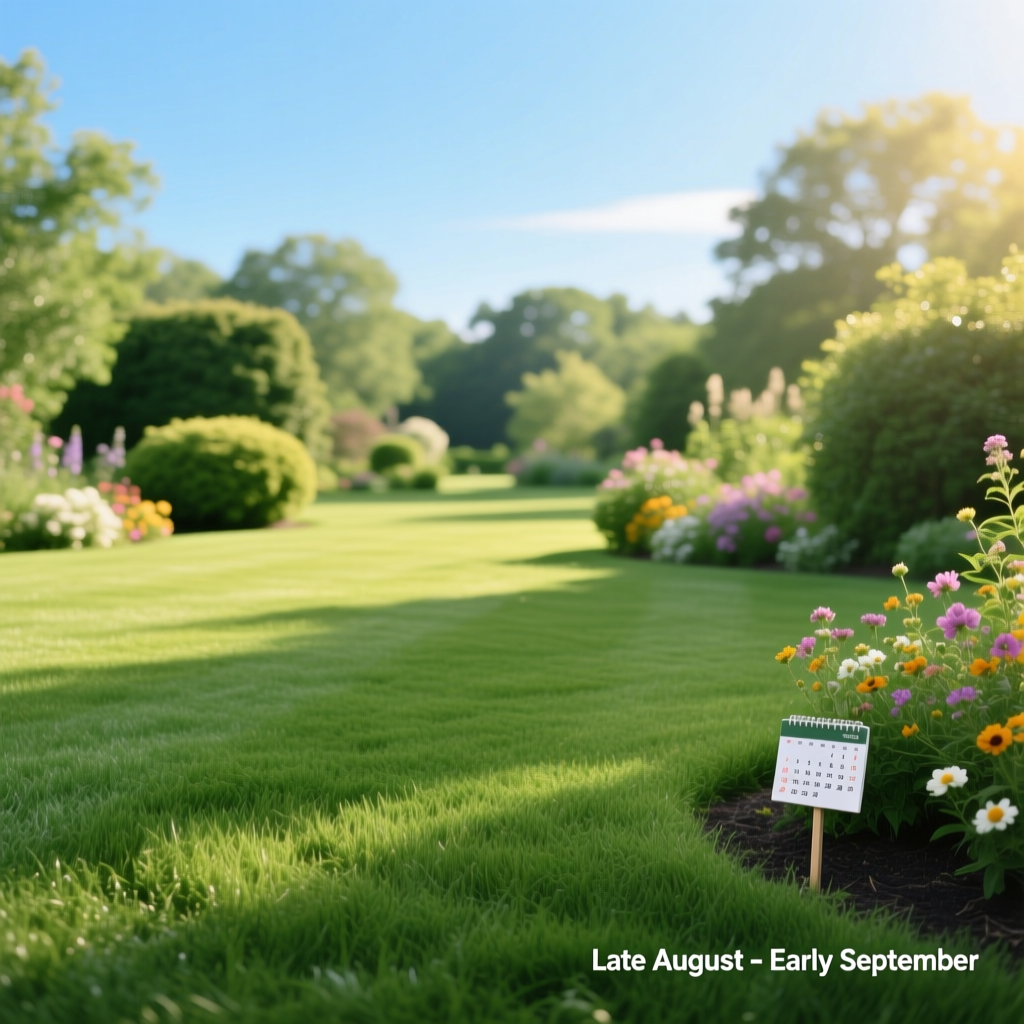
Cool-season grasses should be seeded in early fall (late August through mid-October in North Carolina), when soil temperatures are warm enough for germination but air temperatures are cooling. Fall seeding gives grass two cool growing seasons to establish deep roots before facing its first summer heat stress. Spring seeding is possible but riskier, as young seedlings must survive summer heat with underdeveloped root systems.
Warm-season grasses like seeded Zoysia should be planted in late spring to early summer (May through June) when soil temperatures consistently exceed 65°F. This gives the grass the entire warm season to establish before winter dormancy.
Adjust Maintenance Practices for Shade
Shaded lawns require different care than those in full sun. Mow higher to increase the leaf area available for photosynthesis. Reduce nitrogen fertilizer by 25 to 50 percent compared to sunny areas — excess nitrogen in shade promotes lush, weak growth that is highly susceptible to disease. Water deeply but less frequently, and irrigate in the early morning so grass blades dry before nightfall, reducing fungal disease risk. For comprehensive seasonal care strategies, see our seasonal lawn care calendar.
Manage Expectations
Even under ideal conditions, grass growing in shade will never be as thick, dense, or vigorously growing as grass in full sun. Accept a somewhat thinner turf as the natural result of reduced light. In areas of truly dense shade where fewer than two hours of direct sunlight reach the ground, consider alternative ground covers like mulch, shade-loving perennials, or moss rather than fighting a losing battle with turfgrass.
Frequently Asked Questions
What is the single best grass seed for shade in the North Carolina Piedmont?
For the Piedmont region, turf-type tall fescue is the most practical and reliable choice for shaded lawns. It offers a strong combination of shade tolerance, heat resilience, and durability that suits the transition zone climate. For areas with very heavy shade, blending tall fescue with fine fescue (such as creeping red fescue or chewings fescue) will improve shade performance while maintaining enough toughness for typical lawn use. Many homeowners in cities like Charlotte, Raleigh, and Greensboro achieve excellent results with a 60/40 or 70/30 tall fescue to fine fescue blend.
Can I grow grass in dense shade under large trees in North Carolina?
Growing grass in dense shade — defined as fewer than two hours of direct sunlight daily — is extremely challenging anywhere, including North Carolina. Fine fescue offers the best chance of success among seedable grasses, but even it will thin over time in truly dense shade. Before giving up, try raising the tree canopy, thinning branches to increase filtered light, and reducing competition from tree roots by applying a thin layer of compost annually. If these measures still do not produce satisfactory results after two growing seasons, consider transitioning those areas to shade-tolerant ground covers like liriope, pachysandra, or a natural mulch bed. Our alternatives to grass guide explores attractive options for areas where turf simply will not thrive.
Should I use a shade mix or a single grass variety for my North Carolina lawn?
Shade mixes are generally the better choice for most homeowners because they combine the strengths of multiple species. A quality shade mix might include fine fescue for maximum shade tolerance, tall fescue for durability and drought resistance, and a small percentage of Kentucky bluegrass for density and self-repair. This diversity also provides a buffer against disease — if one species succumbs to a pathogen, the others can fill in. However, if your lawn has distinct sunny and shady zones, you may want to seed sunny areas with a sun-tolerant blend and shady areas with a dedicated shade mix rather than using one product across the entire yard. Read our guide to choosing the right grass seed for more on matching seed to conditions.
How do I keep shade grass alive through a North Carolina summer?
Summer survival is the biggest challenge for cool-season shade grasses in North Carolina. The key strategies are: maintain mowing heights at the maximum recommended level (3.5 to 4 inches for tall fescue) to shade the soil and maximize photosynthetic capacity; water deeply one to two times per week rather than lightly every day, which encourages shallow roots and disease; avoid fertilizing during summer heat, as this stresses the grass further; minimize foot traffic during heat stress periods when the grass is most vulnerable; and do not be alarmed if the grass goes partially dormant and browns during extreme heat — it will typically recover when temperatures cool in fall. Applying a preventive fungicide in late spring can also help protect against brown patch and other summer diseases that thrive in the warm, humid, low-airflow conditions common in shaded areas.
Is Zoysia grass a good option for shaded areas in North Carolina?
Zoysia is an excellent option for shaded lawns in the warmer parts of North Carolina, particularly the coastal plain and lower Piedmont. Among warm-season grasses, only St. Augustine matches its shade tolerance, and Zoysia far surpasses St. Augustine in cold hardiness, making it viable further inland. The main drawback is establishment time — seeded Zoysia varieties like 'Zenith' and 'Compadre' require patience, often taking a full growing season or longer to achieve complete coverage. Once established, however, Zoysia rewards that patience with a dense, attractive, low-maintenance lawn that handles both shade and North Carolina's hot summers with remarkable resilience. For homeowners willing to invest in sod or plugs rather than seed, premium Zoysia cultivars like 'Zeon' and 'Geo' offer even finer textures and faster establishment.
Choosing the right grass seed for shade in North Carolina ultimately comes down to understanding your specific region, the type of shade in your yard, and how much maintenance you are willing to invest. Cool-season options like fine fescue and tall fescue dominate in the mountains and Piedmont, while warm-season choices like Zoysia shine in the coastal plain. By selecting the appropriate variety and following the care practices outlined in this guide, you can transform even the shadiest corners of your North Carolina property into an attractive, healthy lawn. For more expert advice, browse our complete collection of grass type guides and lawn care resources.