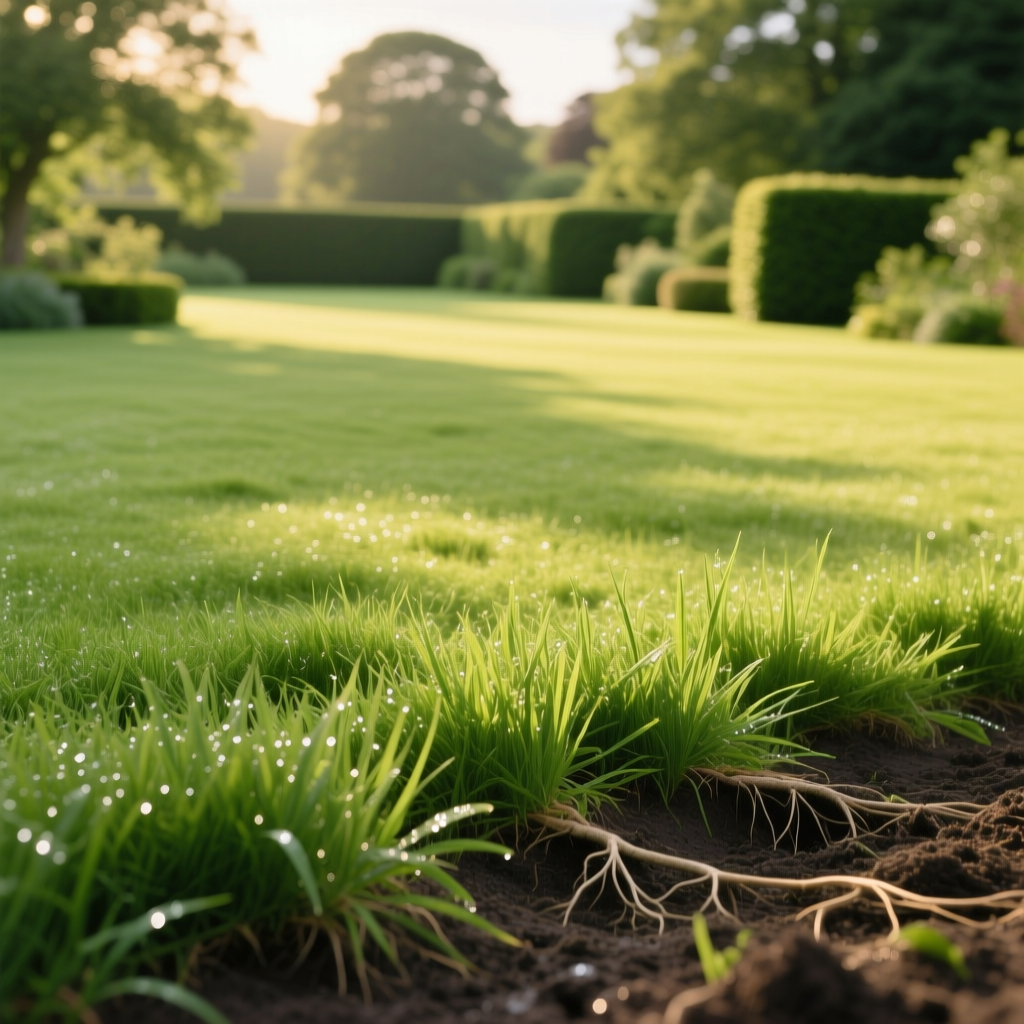
Gardening in the United Kingdom presents a unique set of challenges, and perhaps none is more notoriously difficult to manage than heavy, wet clay soil. If your garden suffers from waterlogging in the winter and bakes into a cracked, concrete-like surface in the summer, you are not alone. Clay soils are incredibly common across the UK, and while they are naturally rich in nutrients, their poor drainage and dense structure can make establishing a lush, green lawn seem like an impossible task. However, the secret to a thriving lawn on heavy soil lies in selecting the correct grass species. By choosing the best grass seed for wet clay soil, you can work with your garden's natural conditions rather than constantly fighting against them.
In this comprehensive guide, we will explore the specific characteristics of clay soil, identify the top-performing grass varieties suited to these challenging conditions, and provide a detailed maintenance programme to keep your lawn looking pristine year-round. Whether you are establishing a new lawn from scratch or looking into overseeding a lawn to patch up bare, muddy areas, this guide will provide the expert insights you need to succeed.
Understanding the Challenges of Wet Clay Soil
Before selecting a grass seed, it is crucial to understand the environment your lawn's root system will be inhabiting. Clay soil is composed of extremely fine mineral particles—typically less than 0.002mm in diameter. Because these particles are so small, they pack tightly together, leaving very little pore space for air and water to move through. This dense structure leads to several distinct challenges for lawn growers:
- Winter Waterlogging: During the wet UK autumn and winter months, clay soil struggles to drain excess rainfall. The ground becomes saturated, depriving grass roots of vital oxygen and leading to root rot, moss invasion, and turf dieback.
- Summer Baking: Conversely, when the weather warms up and dries out, clay soil shrinks and cracks. This can tear grass roots and create a surface so hard that water simply runs off rather than penetrating the soil profile.
- Compaction: Clay is highly susceptible to compaction from foot traffic. Once compacted, the already limited pore space is entirely eliminated, making it nearly impossible for water, air, and nutrients to reach the root zone.
- Slow Spring Warming: Heavy clay holds onto cold winter temperatures much longer than sandy or loamy soils. This delays the spring growing season, meaning your lawn may take longer to green up and recover from winter damage.
Standard grass seed mixes, particularly those dominated by fine fescues or shallow-rooted varieties, will quickly fail in these conditions. To succeed, you must select robust, deep-rooted species that can penetrate heavy earth and tolerate periods of both saturation and drought.
Top Grass Varieties for Wet Clay Soil
When searching for the best grass seed for wet clay soil in the UK, you need species that combine deep rooting capabilities with high tolerance for moisture and wear. The following three grass varieties are the undisputed champions of heavy, wet soils.
1. Tall Fescue (Festuca arundinacea)
Tall Fescue is arguably the most resilient grass species available for challenging UK soils. Historically considered a coarse agricultural grass, modern turf-type cultivars of Tall Fescue have been bred to offer a finer leaf blade while retaining their legendary durability. The primary advantage of Tall Fescue is its incredibly deep root system, which can penetrate far deeper into heavy clay than other species. This allows the plant to access oxygen and moisture even when the top layers of soil are waterlogged or baked hard. Furthermore, Tall Fescue is highly resistant to common lawn diseases that thrive in damp conditions, making it an excellent choice for perpetually wet gardens. You can learn more about this robust species in our detailed Tall Fescue guide.
2. Perennial Ryegrass (Lolium perenne)
Perennial Ryegrass is the workhorse of the British lawn. It is renowned for its rapid germination and establishment, which is vital when sowing into heavy soils where the window of opportunity can be narrow. While it does not root quite as deeply as Tall Fescue, modern dwarf and fine-leaved ryegrass cultivars possess exceptional wear tolerance and can handle the physical stresses of a compacted clay lawn. It thrives in the cool, moist UK climate and recovers quickly from damage. When mixed with other species, Perennial Ryegrass acts as a nurse crop, establishing quickly to hold the soil together and prevent erosion while slower-growing species take root. Read more about this versatile grass in our Perennial Ryegrass profile.
3. Smooth Stalked Meadow Grass (Poa pratensis)
Also known as Kentucky Bluegrass in other parts of the world, Smooth Stalked Meadow Grass is a premium species that spreads via underground stems called rhizomes. This rhizomatous growth habit is incredibly beneficial for clay soils because the underground network helps to bind the heavy soil particles together, improving soil structure and preventing erosion during heavy downpours. It boasts excellent drought tolerance once established and provides a beautiful, dense, dark-green sward. However, it is slower to germinate and establish than ryegrass, so it is almost always sold in a blend rather than as a standalone seed. Discover the benefits of this creeping grass in our Smooth Stalked Meadow Grass article.
Comparison Table: Best Grass Seeds for Clay
To help you decide which species or blend is right for your specific garden, we have compared the top three grass types across several vital metrics relevant to clay soil management.
| Grass Variety | Waterlogging Tolerance | Drought Tolerance | Wear Tolerance | Germination Speed | Maintenance Level |
|---|---|---|---|---|---|
| Tall Fescue | High | Very High | High | Moderate (10-14 days) | Low to Moderate |
| Perennial Ryegrass | Moderate to High | Moderate | Very High | Fast (5-10 days) | Moderate |
| Smooth Stalked Meadow Grass | Moderate | High | Moderate | Slow (14-21 days) | Moderate to High |
Note: For the best results on wet clay, look for a seed blend that combines the fast establishment of Perennial Ryegrass with the deep-rooted resilience of Tall Fescue and the soil-binding rhizomes of Smooth Stalked Meadow Grass.
Growing Zones & Climate Adaptability in the UK
The UK's maritime climate is characterised by mild, wet winters and cool, moderately wet summers, though regional variations can heavily influence how your lawn performs. Clay soils amplify these regional weather patterns. In the North of England and Scotland, where rainfall is heavier and temperatures are cooler, clay soils can remain waterlogged for months. In these regions, a blend heavily weighted towards Tall Fescue and robust Perennial Ryegrass is essential to prevent winter dieback and fungal diseases like Fusarium patch, which thrive in cold, wet conditions.
In the South and East of England, summer droughts are more common. Here, the challenge shifts from winter waterlogging to summer baking. The deep roots of Tall Fescue and the rhizomatous spread of Smooth Stalked Meadow Grass become invaluable, as they can tap into deeper moisture reserves when the surface clay cracks and dries out. Furthermore, if your clay soil lawn is situated in a shaded area beneath trees or near high fences, the combination of wet soil and low light creates a severe microclimate. In such cases, you may need to incorporate shade-tolerant species, as detailed in our guide to growing grass in shade, though you must ensure the soil drainage is addressed first.
Soil Preparation & Seeding Techniques for Clay
Even the best grass seed for wet clay soil will fail if sown directly onto compacted, unprepared mud. Proper soil preparation is the single most important step in establishing a healthy lawn on heavy earth.
Amending the Soil Structure
The goal of amending clay soil is to increase pore space without destroying its natural nutrient-holding capacity. Never add sand to heavy clay. A common gardening myth suggests that mixing sand into clay improves drainage; in reality, the fine clay particles fill the gaps between the sand grains, creating a substance akin to concrete. Instead, incorporate generous amounts of bulky organic matter, such as well-rotted farmyard manure, composted bark, or leaf mould. This organic material encourages flocculation—the process where clay particles clump together into larger aggregates, creating vital channels for air and water. You can also apply gypsum (calcium sulphate), which chemically helps to break up heavy clay without altering the soil pH.
Cultivation and Sowing
Avoid rotavating wet clay soil, as this will destroy the soil structure and create a compacted 'plough pan' just below the surface. Instead, wait until the soil is moist but not sticky, and use a garden fork to gently turn the top 15-20cm of earth, incorporating your organic matter. Rake the surface to a fine tilth, firm it down by treading lightly, and then rake again to create a level seedbed. Sow your chosen clay-tolerant seed blend at the manufacturer's recommended rate, lightly rake it into the surface, and keep the area consistently moist until germination is complete.
Ongoing Maintenance for Lawns on Clay Soil
Once your grass is established, ongoing maintenance must be tailored to the unique properties of heavy soil. A standard lawn care routine will not suffice; you must actively manage compaction and drainage to keep your turf healthy.
- Regular Aeration: This is non-negotiable for clay lawns. You must perform lawn aeration at least once, ideally twice, a year. Hollow-tine aeration is the most effective method, as it physically removes cores of heavy clay, relieving compaction and allowing water, air, and fertilisers to reach the root zone.
- Mowing Heights: Never scalp a lawn grown on clay soil. Keep your mower blades set to a minimum of 30mm to 40mm. Longer grass blades promote deeper root growth, which is essential for penetrating heavy soil, and they help shade the soil surface, preventing it from baking and cracking in the summer sun.
- Scarification: Clay lawns are prone to thatch buildup and moss invasion due to wet surface conditions. Regular scarifying your lawn in the autumn will remove dead organic matter, improving surface drainage and allowing the soil to breathe.
- Targeted Feeding: While clay holds nutrients well, those nutrients can become 'locked up' in cold, wet conditions. Use a high-quality, slow-release granular fertiliser in the spring and autumn to provide a steady supply of nutrients. Avoid high-nitrogen liquid feeds in late autumn, as the resulting soft, lush growth will be highly susceptible to winter diseases.
Pros & Cons of Cultivating Lawns on Wet Clay
While wet clay soil is often viewed negatively by gardeners, it is not without its benefits. Understanding the pros and cons can help you manage your expectations and tailor your lawn care approach.
The Pros
- High Nutrient Retention: Clay particles have a high cation exchange capacity (CEC), meaning they hold onto essential minerals and fertilisers far better than sandy soils, preventing them from washing away in the rain.
- Moisture Reserves: Once the deep roots of Tall Fescue or Meadow Grass are established, the soil's ability to hold water becomes an asset during summer droughts, keeping the lawn green long after sandy lawns have turned brown.
- Stability: Heavy clay provides a very stable, firm base for a lawn once properly levelled and established, unlike loose, shifting sandy soils.
The Cons
- Poor Drainage: The tendency to waterlog in winter requires proactive management, including aeration and the potential installation of land drains in severe cases.
- Heavy Labour: Digging, forking, and amending clay soil is physically demanding work due to its dense, sticky nature.
- Slow Spring Recovery: Clay soils take much longer to warm up in the spring, meaning your lawn may remain dormant and brown for several weeks longer than lawns on lighter soils.
Frequently Asked Questions
How do I improve drainage in my clay soil lawn?
The most effective way to improve drainage in an established clay lawn is through regular hollow-tine aeration, followed by top-dressing with a compost-based mix. This gradually improves the soil structure over time. For newly laid lawns or severe waterlogging issues, you may need to install a French drain or a herringbone land drain system beneath the soil surface to physically channel excess water away from the garden.
Can I just sow grass seed directly onto heavy clay?
While you can physically scatter seed onto clay, the results will be poor. The seed may germinate, but the shallow roots will quickly rot in winter or burn in summer due to the lack of pore space and oxygen. Taking the time to fork the surface, relieve compaction, and incorporate organic matter before sowing will exponentially increase your chances of establishing a long-lasting, healthy lawn.
When is the best time to sow grass seed in wet clay soil?
Early autumn (late August to late September) is the absolute best time to sow grass seed on clay soil in the UK. The soil is still warm from the summer, which encourages rapid germination, and the autumn rains will keep the seed moist without the severe waterlogging that occurs in deep winter. Spring sowing (April to May) is the second-best option, but you must be prepared to water the lawn manually if the clay surface dries out and cracks during a late spring heatwave.
Should I mix sand into my clay soil before seeding?
No, you should avoid adding sand to heavy clay soil. Unless you are adding an immense volume of sharp sand (which is impractical for most domestic gardens), the fine clay particles will simply bind with the sand to create a hard, concrete-like substance that is entirely impermeable to water and roots. Stick to bulky organic matter like compost, well-rotted manure, or specialised clay-breaking soil conditioners like gypsum.
How often should I aerate a lawn grown on clay soil?
A lawn grown on heavy, wet clay soil should be aerated at least once a year, ideally in the early autumn. However, if your lawn suffers from heavy foot traffic, pet use, or severe winter waterlogging, aerating twice a year—once in autumn and once in late spring—will yield the best results. Always use a hollow-tine aerator rather than solid spikes, as solid spikes can actually smear and compact the sides of the holes in heavy clay, worsening the drainage issue.
By selecting the right grass species, such as Tall Fescue and Perennial Ryegrass, and committing to a proactive soil management routine, you can transform a soggy, muddy patch of clay into a resilient, beautiful lawn. For more expert advice on keeping your turf in peak condition, explore our comprehensive library of lawn care guides and discover the secrets to a perfect British lawn.