
Grass Types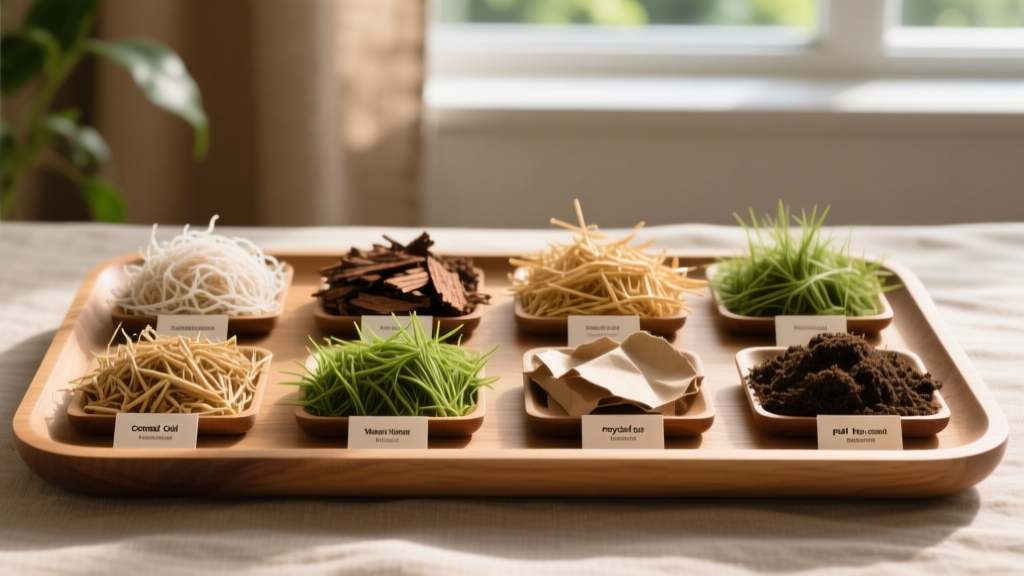
Best Grass Seed Mulch Types for Rapid Lawn Germination
The Thermodynamics of Seed Germination
Grass seed requires continuous moisture in the top 0.5 inches of soil for 10 to 21 days to successfully germinate. Unmulched seed exposed to direct sunlight and wind experiences rapid evapotranspiration, often drying out the critical germination zone within hours. Applying a dedicated grass seed mulch creates a localized microclimate that reduces surface evaporation by 60% to 80%, regulates soil temperature, and protects seeds from avian predation.
According to University of Minnesota Extension, maintaining consistent seed-to-soil contact while buffering against environmental stressors is the primary mechanical function of mulch during lawn establishment. However, not all mulching materials perform equally. The wrong material can introduce weeds, repel water, or smother emerging cotyledons.
Critical Germination Metric: The ideal mulch layer must be thick enough to retain moisture but thin enough to allow 10% to 20% of the underlying soil and seed to remain visible. A layer exceeding 0.5 inches will physically block sunlight and trap excessive humidity, promoting Pythium blight and damping-off diseases.
Material Comparison Matrix: Top 5 Grass Seed Mulches
Selecting the right material depends on your budget, slope gradient, and local availability. Below is a technical comparison of the most effective mulching agents for turfgrass establishment.
| Material | Coverage Rate | Water Retention | Weed Risk | Best Application Scenario |
|---|---|---|---|---|
| Certified Weed-Free Wheat Straw | 1 bale (50 lbs) per 1,000 sq ft | High | Very Low | Flat to moderate slopes; large residential lawns |
| Sphagnum Peat Moss | 3.8 cu ft bale per 1,500 sq ft | Very High | Zero | Small repair patches; premium seed blends |
| Pelletized Paper Mulch (e.g., PennMulch) | 50 lbs per 1,000 sq ft | Moderate-High | Zero | Subdivisions with strict HOA aesthetic rules |
| Hydromulch (Cellulose/Wood Fiber) | 1 DIY kit per 500-2,000 sq ft | High (with tackifier) | Zero | Steep slopes; erosion-prone embankments |
| Screened Compost (Topdressing) | 1 cubic yard per 1,000 sq ft (0.25" deep) | Moderate | Low-Moderate | Overseeding existing lawns; soil amendment |
Precision Application Rates and Protocols
Proper distribution is just as critical as material selection. Follow these specific protocols based on your chosen mulch type to ensure optimal seed emergence.
1. Wheat Straw Distribution
Never use hay; hay contains viable agricultural seed heads that will introduce thousands of weeds into your new lawn. Purchase certified weed-free wheat or oat straw. Shake the bales apart manually over a wheelbarrow to break up compressed mats. Apply at a rate of 50 to 60 pounds per 1,000 square feet. The straw should look scattered and loose, not matted.
2. The Peat Moss Pre-Wetting Protocol
Dry sphagnum peat moss is naturally hydrophobic. If applied dry over grass seed, it will repel irrigation water and wick moisture away from the soil.
- Empty the bale into a wheelbarrow.
- Slowly add water while turning the peat with a pitchfork.
- Allow it to sit for 2 hours until it reaches the consistency of a wrung-out sponge.
- Apply a 1/8-inch layer over the seeded area using a wide landscape rake.
3. Hydromulch and Slope Stabilization
For slopes exceeding a 3:1 gradient, standard straw will wash away during the first heavy irrigation. Hydromulch kits (like Hydro Mousse or professional-grade Profile Products) combine cellulose fibers, green tracking dye, and a biodegradable tackifier. The tackifier binds the mulch to the soil matrix upon drying. Apply hydraulic mulch at a rate of 1,500 to 2,000 pounds per acre (roughly 3.5 to 4.5 lbs per 1,000 sq ft) to ensure complete soil coverage without smothering the seed.
2026 Cost Breakdown for a 5,000 Sq Ft Lawn
Budgeting accurately prevents mid-project shortages. The following cost analysis reflects current 2026 retail pricing for a standard 5,000 square foot establishment project.
| Mulch Material | Unit Cost (Approx.) | Units Required for 5k Sq Ft | Total Material Cost |
|---|---|---|---|
| Certified Wheat Straw | $9.00 per bale | 5 bales | $45.00 |
| Sphagnum Peat Moss | $18.00 per 3.8 cu ft bale | 4 bales | $72.00 |
| Pelletized Paper Mulch | $28.00 per 50 lb bag | 5 bags | $140.00 |
| DIY Hydromulch Kit | $45.00 per 1,000 sq ft kit | 5 kits | $225.00 |
| Bulk Screened Compost | $40.00 per cubic yard | 1.5 cubic yards | $60.00 (+ delivery) |
As noted by NC State University Turfgrass Science, while straw remains the most economical choice, the labor required to spread and later remove it can offset the initial savings for smaller, highly visible urban lawns where pelletized or peat options offer a cleaner aesthetic.
Critical Failure Modes and Troubleshooting
Even with premium seed, improper mulching will cause establishment failure. Use this diagnostic framework if germination is stalling.
Symptom: Seed sprouts but turns yellow and collapses
Cause: Damping-off disease caused by excessive mulch thickness trapping humidity and blocking airflow.
Fix: Gently rake the area to thin the mulch layer. Reduce watering frequency from 3x daily to 1x daily, allowing the surface to dry slightly between cycles.
Symptom: Patchy germination with dry, hard soil crusts
Cause: Hydrophobic peat moss or insufficient mulch coverage allowing wind evaporation.
Fix: Apply a light mist of water with a surfactant (like a drop of baby shampoo per gallon) to break surface tension. Add a secondary, ultra-thin layer of pre-wetted peat or fine compost.
Symptom: Massive influx of broadleaf and grassy weeds
Cause: Use of agricultural hay instead of certified straw, or un-screened compost containing viable weed seeds.
Fix: Wait until the desired turfgrass has been mowed three times, then apply a selective post-emergent herbicide containing 2,4-D and Dicamba, following label rates for newly established turf.
Expert Verdict: Which Mulch Should You Choose?
For expansive properties over 10,000 square feet with flat topography, certified weed-free wheat straw remains the undisputed champion of cost-efficiency and moisture retention. However, for suburban front yards, steep embankments, or patch repairs under 2,000 square feet, sphagnum peat moss (when properly pre-wetted) or pelletized paper mulch provides superior aesthetics, zero weed introduction, and eliminates the messy cleanup phase required when straw eventually degrades. Always match the mulch material to your specific slope, budget, and HOA requirements to ensure a dense, weed-free turf canopy.

