
Grass Types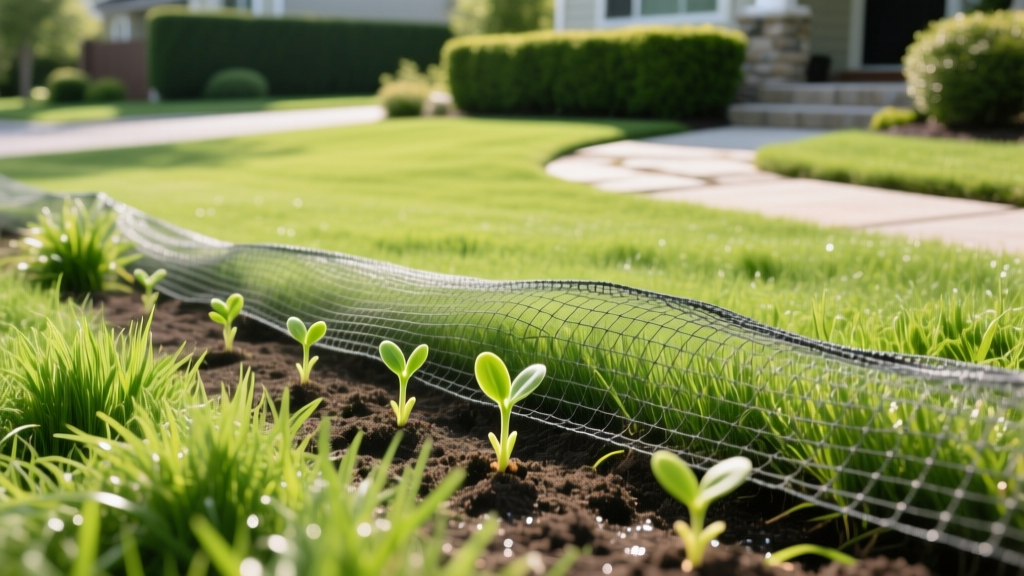
Bird Netting for Grass Seed: Material Selection and Installation Guide
The Foraging Threat to Unprotected Grass Seed
When establishing a new lawn or overseeding an existing one, avian foraging is one of the most significant variables affecting germination rates. Species such as House Sparrows, American Goldfinches, Mourning Doves, and European Starlings can consume or displace up to 30% of exposed grass seed within the first 48 hours of sowing. While Kentucky Bluegrass seeds are exceptionally small and easily swept away by wind or washed into storm drains, larger seeds like Tall Fescue and Perennial Ryegrass are prime targets for ground-foraging birds.
Using bird netting for grass seed is a highly effective physical barrier, but improper material selection or installation frequently leads to trapped wildlife, tangled lawnmower blades, and uneven germination. According to UC Agriculture and Natural Resources (UC ANR), maintaining consistent seed-to-soil contact and moisture retention is critical for establishment; the right netting aids in both while eliminating predation.
Material Matrix: Jute vs. Polypropylene vs. Straw Blankets
Homeowners often conflate plastic bird netting with biodegradable erosion control netting. Choosing the wrong material for your specific terrain and timeline will result in costly failures. Below is a technical comparison of the three primary covering materials used during seed establishment.
| Material Type | Mesh Size | Degradation Timeline | Cost (per 1,000 sq ft) | Best Application |
|---|---|---|---|---|
| UV-Stabilized Polypropylene (Plastic) | 1/2" to 3/4" | Non-biodegradable (5+ years) | $15 - $25 | Flat, small garden patches; requires removal before first mow. |
| Biodegradable Jute Netting | 1/2" to 1" (woven) | 12 to 18 months | $35 - $50 | Large residential lawns; left in place to decompose naturally. |
| Straw Erosion Control Blankets (SECB) | N/A (solid straw with plastic mesh) | Straw rots in 6 months; plastic mesh remains | $60 - $90 | Slopes greater than 5% grade; superior moisture retention. |
Warning on Mesh Size: Standard plastic bird netting is often sold with a 3/4-inch or 1-inch mesh. This is entirely ineffective against small granivorous birds like finches and sparrows, which will simply walk through the holes. For grass seed protection, you must source netting with a strict 1/2-inch mesh.
Step-by-Step Installation Protocol
Proper installation requires elevating the netting slightly above the soil surface. If netting is laid directly flat against the dirt, birds will simply press their beaks through the 1/2-inch holes and extract the seed. Elevation creates an unreachable air gap.
- Soil Preparation and Seeding: Rake the topsoil to a fine grade. Broadcast your seed at the manufacturer's recommended rate (e.g., 6-8 lbs per 1,000 sq ft for Tall Fescue). Lightly rake again to ensure 1/4-inch soil coverage over the seed.
- Install Elevation Stakes: Drive 3-inch wooden stakes or heavy-gauge wire hoops into the soil every 4 feet in a grid pattern. The tops of the stakes should sit exactly 2 inches above the soil grade.
- Drape the Netting: Unroll your chosen netting over the stakes. Ensure the netting rests on top of the stakes, creating a 2-inch tented air gap between the seed and the mesh.
- Secure the Perimeter and Seams: Use 6-inch galvanized steel U-pins (landscape staples). Pin the perimeter every 2 feet. Where two rolls of netting meet, overlap them by at least 6 inches and pin through both layers to prevent birds from slipping under the seams.
- Initial Watering: Water the area deeply through the netting. The netting will actually help break up heavy water droplets, preventing seed washout during the critical first hydration.
Edge Cases and Troubleshooting
Even with meticulous installation, environmental variables can compromise your seed establishment. Use this troubleshooting framework to address common failure modes.
1. The "Peck-Through" Failure
Symptom: Seed is disappearing despite the netting being intact and unbroken.
Cause: The netting is touching the soil. American Robins and Starlings have long beaks that easily penetrate 1/2-inch mesh if it rests directly on the ground.
Fix: Immediately install additional elevation stakes in the sagging areas. Ensure a minimum 2-inch clearance across the entire lawn footprint.
2. Slope Runoff and Seed Washout
Symptom: Seed accumulates at the bottom of an incline after heavy rain, leaving bare patches at the top.
Cause: Standard jute or plastic netting provides zero hydraulic resistance. It stops birds, but it does not stop water velocity.
Fix: For any slope exceeding a 5% grade, abandon standard netting. Transition to a Straw Erosion Control Blanket (SECB) or apply a hydraulic tackifier (like Profile HydroStraw) before laying the netting. Penn State Extension emphasizes that mechanical anchoring via straw or tackifiers is mandatory on slopes to prevent topsoil loss during the 14-21 day germination window.
3. Avian Entanglement
Symptom: Birds are found trapped in the netting loops.
Cause: Loose edges, frayed cuts, or excess netting bunched at the perimeter. The National Audubon Society notes that loose netting is a primary hazard for backyard wildlife.
Fix: Trim all excess netting flush with the perimeter staples. Bury the outermost edge of the netting in a 2-inch shallow trench and backfill with soil to create a completely sealed, taut perimeter.
Removal and First Mow Timelines
The protocol for removing the netting depends entirely on the material selected and the growth rate of your specific grass cultivar.
Pro-Tip for the First Mow: Never mow over polypropylene (plastic) netting. The monofilament lines will instantly wrap around the mower's blade spindle, potentially destroying the deck bearings or causing the blade to snap.
If using Polypropylene (Plastic): You must remove the netting before the grass reaches 2.5 inches in height. Carefully pull up the U-pins, and gently lift the netting straight up to avoid uprooting shallow, newly germinated seedlings. Roll it up immediately to prevent wind from blowing it into neighboring landscaping.
If using Biodegradable Jute: Jute netting is designed to be left in place. You can safely perform your first mow (when grass hits 3 inches) directly over the jute. The mower wheels will press the netting down, and the blades will cut the grass above it. Over the next 12 to 18 months, the jute will naturally decompose into the soil, adding minor organic matter to the topsoil profile. Do not attempt to pull jute netting up after the grass has rooted through it, as you will tear out the entire new lawn.
By selecting the correct 1/2-inch mesh material, maintaining a 2-inch elevation gap, and properly anchoring the perimeter, you can effectively eliminate avian predation and ensure maximum germination density for your new turf.

