Grass Types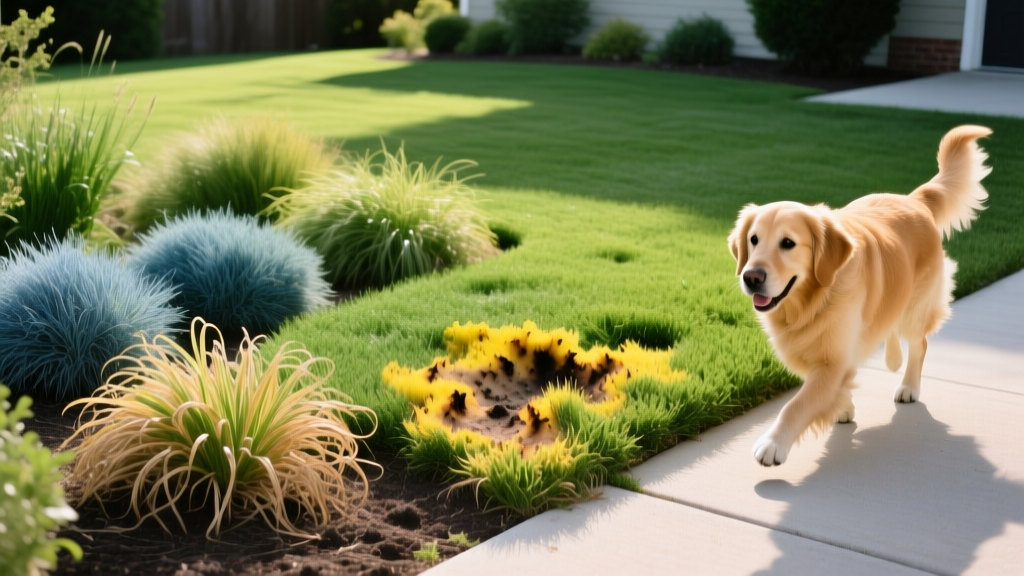
Can Dogs Pee on Turf? The Science of Urine Burn and Grass Recovery
The Short Answer: Yes, But With Chemical Consequences
Homeowners frequently ask, 'can dogs pee on turf without destroying it?' The direct answer is yes, dogs can physically urinate on both natural and synthetic turf, but the chemical composition of canine urine triggers severe osmotic stress and nitrogen toxicity in natural grass. A single dog can deposit up to 15 grams of nitrogen per square meter annually in concentrated zones. Without immediate intervention or the selection of highly tolerant grass cultivars, this localized nitrogen overload results in the characteristic necrotic brown spots that plague suburban lawns.
The Chemistry of Canine Urine on Turfgrass
To understand turf damage, we must examine the exact chemical breakdown of dog urine. It is primarily composed of water, urea (CH4N2O), uric acid, and dissolved salts. When a dog urinates, it deposits a concentrated dose of nitrogen—often exceeding the equivalent of 10 pounds of synthetic fertilizer per 1,000 square feet—in a single 8-inch diameter circle.
Myth Buster: The pH Misconception
A persistent myth suggests that dog urine burns grass because it is highly acidic. In reality, canine urine typically has a pH between 6.0 and 6.5, which is slightly acidic but well within the tolerable range for most turfgrasses. The damage is caused by nitrogen concentration and salt-induced osmotic draw, not pH. According to Penn State Extension, adding limestone, tomato juice, or commercial pH-altering supplements to your dog's diet will not prevent lawn burn and can cause severe urinary tract health issues for the animal.
When the salt and urea concentration in the soil exceeds the internal concentration of the grass root cells, water is drawn out of the roots via osmosis. This rapid dehydration, combined with ammonia toxicity from urea breakdown, kills the turfgrass crown and root system within 24 to 48 hours.
Identifying Urine Burn vs. Fungal Pathogens
Accurate identification is critical before applying treatments. Homeowners often mistake urine burn for fungal diseases like Brown Patch (Rhizoctonia solani) or Dollar Spot (Clarireedia jacksonii). Use the diagnostic matrix below to confirm the source of the damage.
| Diagnostic Feature | Dog Urine Burn | Brown Patch Fungus |
|---|---|---|
| Visual Pattern | Brown necrotic center with a distinct, lush dark-green outer 'halo'. | Irregular tan/brown patches, often with a dark 'smoke ring' border in morning dew. |
| Location | Randomly distributed, often near fences, trees, or pathways. | Widespread across poorly drained or heavily shaded areas of the lawn. |
| Leaf Blade Inspection | Entire blade is bleached white or brown from tip to base. | Distinct tan lesions with dark brown borders on individual blades. |
| Odor | Faint ammonia scent when soil is moist. | Earthy, musty, or mushroom-like odor. |
Natural Grass vs. Artificial Turf: Urine Management
When homeowners ask if dogs can pee on turf, they are often weighing natural grass against synthetic alternatives. Both require specific management strategies to handle canine waste.
Artificial Turf Specifications for Dogs
While synthetic turf eliminates the 'brown spot' problem, it introduces odor and sanitation challenges. If installing artificial turf for dogs, standard landscaping specifications are insufficient. You must require the following from your installer:
- Drainage Rate: Minimum of 30 to 40 inches per hour. Standard polyurethane-backed turf drains too slowly, allowing urine to pool and breed ammonia-producing bacteria.
- Antimicrobial Infill: Avoid standard crumb rubber or silica sand. Use ZeoFill (a negatively charged zeolite mineral) at a rate of 1.5 to 2 pounds per square foot. Zeolite's honeycomb molecular structure physically traps ammonium ions, preventing them from off-gassing as ammonia gas.
- Enzymatic Flushing: Even with Zeolite, the turf requires monthly flushing with a bio-enzymatic cleaner (such as Simple Green Outdoor Odor Eliminator) to break down residual uric acid crystals that water alone cannot dissolve.
Step-by-Step Recovery Protocol for Burned Natural Turf
If you are maintaining natural grass, the University of Minnesota Extension recommends a proactive, multi-step recovery protocol rather than reactive reseeding.
- Immediate Dilution (The 8-Hour Window): The most effective mitigation is applying 1 to 1.5 gallons of water to the urination site within 8 hours. This dilutes the urea concentration below the phytotoxic threshold before osmotic draw can damage the roots.
- Soil Flocculation: For existing brown spots, apply pelletized gypsum (calcium sulfate) at a rate of 50 lbs per 1,000 square feet. The calcium ions displace the sodium ions left behind by the urine, improving soil structure and flushing salts out of the root zone. Products like Espoma Organic Soil Acidifier or standard agricultural gypsum work effectively.
- Physical Removal and Overseeding: If the turfgrass crown is dead (the grass pulls up easily with no white root resistance), rake out the dead thatch. Top-dress the area with a 50/50 mix of compost and topsoil, then overseed.
Choosing Urine-Tolerant Grass Cultivars
Not all grasses react equally to nitrogen spikes. When repairing a lawn subjected to heavy dog traffic, selecting the correct species is the most critical long-term decision you can make.
Cultivar Selection Guide
- Highly Tolerant: Festuca arundinacea (Tall Fescue) and Lolium perenne (Perennial Ryegrass). These bunch-type grasses have deep, extensive root systems that can better buffer salt concentrations. Look for cultivars like 'Titan RX' or 'Firefly' for superior stress tolerance.
- Moderately Tolerant: Zoysia japonica (Zoysia grass). While it handles wear well, its slow growth rate means recovery from severe burns can take an entire growing season.
- Highly Susceptible (Avoid): Poa pratensis (Kentucky Bluegrass) and Cynodon dactylon (Bermudagrass). These species are incredibly sensitive to localized nitrogen spikes and will exhibit severe burning even from small dogs.
Frequently Asked Questions
Does watering the lawn daily prevent urine burn?
Light daily watering (e.g., 10 minutes of sprinkler time) is insufficient to dilute a fresh urine deposit. You must apply a concentrated volume of water (at least 1 gallon) directly to the specific spot to push the salts below the 6-inch root zone.
Will changing my dog's diet stop the lawn from burning?
According to the American Kennel Club, dietary supplements claiming to alter urine pH or reduce nitrogen output are largely ineffective and potentially dangerous. The nitrogen in urine is a direct byproduct of protein metabolism; reducing protein to save your lawn compromises your dog's muscular and immune health. Focus on lawn management, not dietary restriction.
Can I use lime to neutralize the dog urine?
No. Hydrated lime (calcium hydroxide) is highly caustic and will burn the grass further. If you need to amend the soil chemistry, use gypsum (calcium sulfate), which is pH-neutral and specifically targets sodium displacement without altering the soil's acid-alkaline balance.