
Grass Types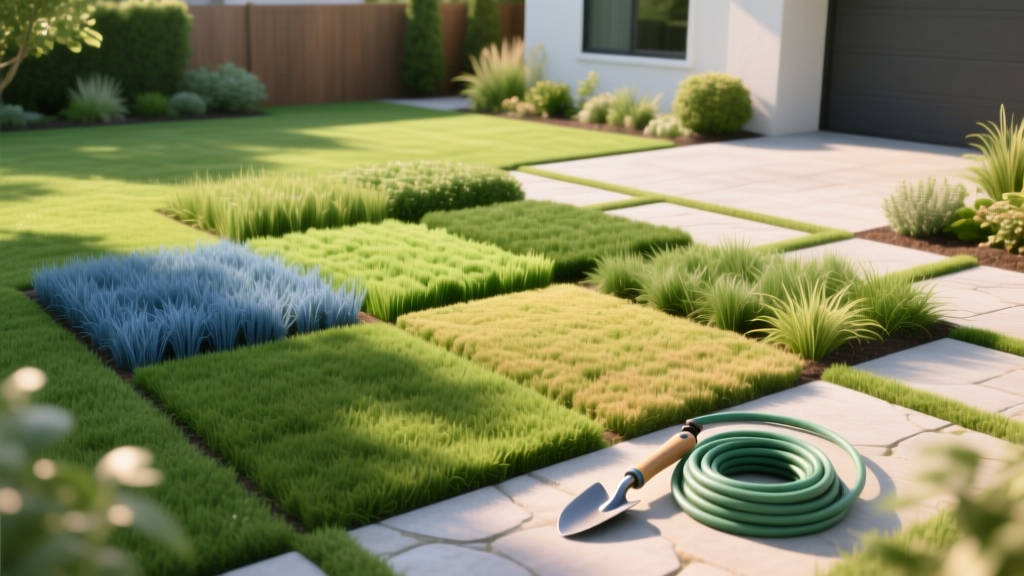
Cost to Install Sod in 2026: Pricing, Coverage & Hidden Fees
Installing sod is the fastest way to transform bare dirt into a lush, usable lawn, but the financial commitment extends far beyond the price tag on the pallet. When calculating the true cost to install sod, homeowners must account for material variances, site preparation, delivery logistics, and long-term establishment requirements. In 2026, supply chain stabilization and regional water restrictions have shifted the pricing landscape, making precise budgeting more critical than ever.
The True Cost to Install Sod: 2026 National Averages
The national average cost to install sod ranges from $1.05 to $2.55 per square foot, with most homeowners spending around $1.80 per square foot for a fully prepped and professionally installed lawn. However, this aggregate number masks the distinct cost layers involved in a successful installation.
2026 Cost Breakdown Per Square Foot:
- Sod Material: $0.35 – $0.85
- Soil Preparation & Grading: $0.20 – $0.50
- Professional Labor: $0.50 – $1.20
- Total Installed Cost: $1.05 – $2.55
For a standard 5,000-square-foot suburban lawn, expect to pay between $5,250 and $12,750. The variance depends heavily on your chosen grass cultivar, the accessibility of your yard, and the existing soil conditions.
Sod Pricing by Grass Type (Coverage & Pallet Costs)
Sod is typically sold by the pallet, which covers between 400 and 500 square feet (with 450 sq. ft. being the industry standard). Warm-season grasses generally carry a higher material cost due to slower growth rates and longer establishment times at the farm, while cool-season grasses are often cheaper per pallet but require more intensive water management.
| Grass Type | Cost per Sq. Ft. | Pallet Cost (450 sq. ft.) | Best Climate Zone |
|---|---|---|---|
| Tifway 419 Bermuda | $0.40 – $0.60 | $180 – $270 | Transition / Warm |
| Palmetto St. Augustine | $0.65 – $0.85 | $292 – $382 | Warm / Coastal |
| Meyer Zoysia | $0.70 – $0.95 | $315 – $427 | Transition / Warm |
| Kentucky Bluegrass | $0.35 – $0.55 | $157 – $247 | Cool / Northern |
| Tall Fescue Blend | $0.40 – $0.60 | $180 – $270 | Cool / Transition |
According to the Texas A&M AgriLife Extension, selecting a cultivar adapted to your specific microclimate reduces long-term inputs like water and fungicides, effectively lowering the lifetime cost of the lawn despite a higher initial pallet price.
Hidden Costs: Soil Prep, Delivery, and Labor
The most common budgeting mistake homeowners make is assuming the sod price is the final price. Site preparation and logistics frequently account for up to 40% of the total project cost.
Site Preparation & Soil Amendments
Sod will not root properly in compacted, nutrient-poor clay. Proper preparation requires removing existing vegetation, rototilling to a depth of 4 to 6 inches, and grading the soil to ensure a 2% slope away from your foundation. You will also need to incorporate organic matter. Plan to add 2 to 3 cubic yards of compost per 1,000 square feet, which costs roughly $30 to $50 per cubic yard. Additionally, a starter fertilizer high in phosphorus (such as a 10-18-10 NPK ratio) is required to stimulate root growth, adding about $0.03 per square foot to your material costs.
Delivery Fees & Access Surcharges
A standard pallet of sod weighs between 2,500 and 3,000 pounds. Delivery requires a heavy-duty truck and a forklift. Most turf farms charge a flat delivery fee ranging from $75 to $150 for locations within 20 miles. If your property requires the driver to navigate narrow streets, steep driveways, or if the sod must be manually wheelbarrowed to a backyard without gate access, expect an access surcharge of $100 to $250 per pallet for the extra labor.
Professional Installation vs. DIY Labor
Professional landscapers charge between $0.50 and $1.20 per square foot for installation labor. This includes laying the sod in a staggered brick pattern, rolling the lawn with a water-filled drum roller to eliminate air pockets, and initiating the first watering cycle. If you choose the DIY route, you save on labor but must rent a sod roller ($40-$60/day) and a rototiller ($70-$100/day), and you must be prepared to lay the entire pallet within 24 hours of delivery to prevent the sod from heating up and dying on the stack.
Calculating Your Exact Sod Coverage (Dosage Guide)
Ordering the correct dosage of sod prevents both material waste and the frustrating scenario of running short and having to wait days for a supplemental delivery. Follow this precise calculation method:
- Map the Area: Break your lawn into basic geometric shapes (rectangles, circles, triangles).
- Calculate Base Square Footage: Multiply length by width for rectangles. For circles, use π × r². For triangles, use 0.5 × base × height.
- Subtract Hardscapes: Deduct the square footage of driveways, walkways, and permanent garden beds.
- Add the Waste Factor: This is the most critical step. Add 5% for simple, rectangular lawns. Add 10% for lawns with curved garden beds, trees, or irregular property lines to account for cutting and fitting.
- Convert to Pallets: Divide your total adjusted square footage by 450 (or the specific coverage of your supplier's pallets). Always round up to the nearest half or full pallet.
The University of Minnesota Extension emphasizes that sod must be laid on the day of delivery. Ordering 10% extra is safer than ordering exact, as dried-out edges from pallet stacking often need to be trimmed and discarded during installation.
Common Sod Installation Failure Modes & How to Avoid Them
Warning: The 'Green Carpet' Illusion
Laying sod directly over existing weeds or un-tilled compacted soil is the leading cause of lawn failure. The sod will look green for three weeks, but the roots will hit the hardpan soil barrier, shallow out, and the lawn will die during the first summer heatwave. Always rototill and grade before unrolling a single piece of sod.
Beyond poor soil prep, improper watering is the second most expensive failure mode. Newly installed sod requires roughly 1 inch of water per day for the first two weeks to keep the root zone consistently moist but not waterlogged. Failing to water immediately after installation (within 2 hours of laying) will cause the edges to shrink and gap, allowing weeds to infiltrate the seams.
Frequently Asked Questions
Is it cheaper to seed or sod a lawn?
Seeding is significantly cheaper upfront, costing between $0.10 and $0.25 per square foot compared to sod's $1.05 to $2.55. However, seed requires 3 to 6 months to establish, intensive weed control, and carries a high risk of washout from heavy rain. Sod provides an instant, weed-free lawn that can handle foot traffic within 4 to 6 weeks.
What time of year offers the best sod installation pricing?
Turf farms often discount sod by 10% to 15% during their shoulder seasons—early spring (March/April) and early fall (September/October). Avoid installing warm-season grasses in late fall, as they will enter dormancy before rooting, and cool-season grasses in peak summer, where water costs will obliterate any material savings.
Do I need a permit to install sod?
Generally, no. However, if your installation involves major regrading that alters drainage patterns toward a neighbor's property or municipal storm drains, your local zoning board may require a grading permit. Additionally, many municipalities in drought-prone areas now enforce strict watering schedules that may require you to apply for a "new landscape watering variance" to keep the sod alive during the 30-day establishment period.

