
Grass Types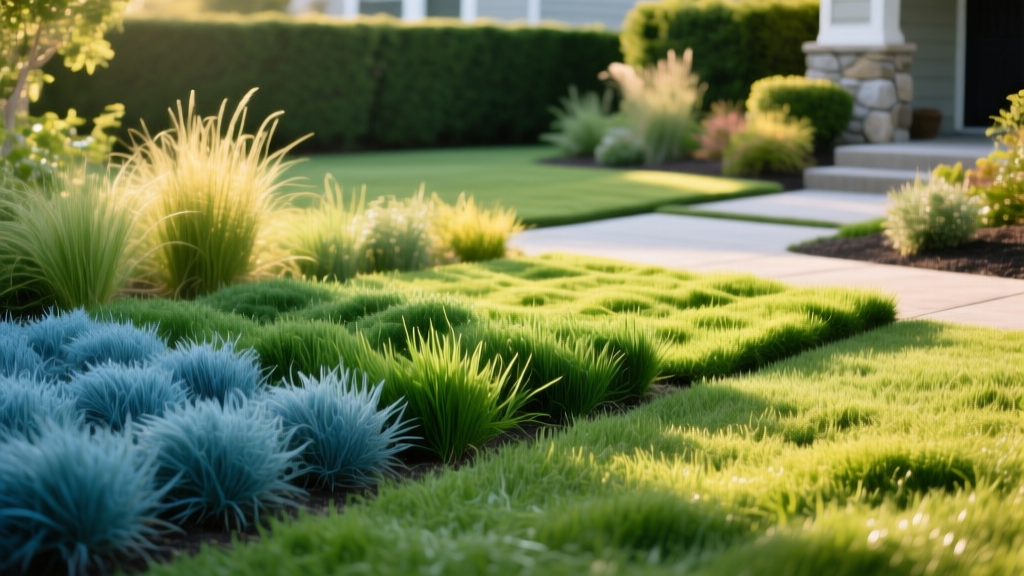
Average Cost to Lay Sod in 2026: Per Square Foot Breakdown
Installing sod is the fastest way to establish a mature, weed-free lawn, but the financial commitment extends far beyond the price tag on the pallet. In 2026, the national average cost to lay sod ranges from $1.50 to $3.50 per square foot fully installed. However, this baseline fluctuates wildly based on grass cultivar, site accessibility, and the extent of soil remediation required.
This guide dismantles the pricing structure of sod installation, detailing exact material costs, labor rates, and the hidden site-prep fees that routinely inflate contractor quotes by 30% or more.
2026 Quick Cost Snapshot
- National Average (Installed): $1.50 - $3.50 per sq. ft.
- Material Only: $0.35 - $0.95 per sq. ft.
- Labor & Installation: $1.00 - $2.50 per sq. ft.
- Typical 1/4 Acre Lawn (10,890 sq. ft.): $16,300 - $38,100
Sod Material Costs by Grass Type
The turfgrass species you select dictates the base material cost. Warm-season grasses generally command a premium due to longer grow-in times and specialized harvesting requirements, while cool-season grasses are more budget-friendly but require specific climate conditions to thrive.
| Grass Type | Material Cost (per sq. ft.) | Pallet Coverage | Climate Zone |
|---|---|---|---|
| Bermudagrass | $0.35 - $0.65 | 400 - 500 sq. ft. | Warm / Transition |
| Kentucky Bluegrass | $0.40 - $0.75 | 450 - 500 sq. ft. | Cool |
| Tall Fescue | $0.45 - $0.80 | 400 - 500 sq. ft. | Cool / Transition |
| Zoysia | $0.55 - $0.90 | 400 - 450 sq. ft. | Warm / Transition |
| St. Augustine | $0.60 - $0.95 | 450 - 500 sq. ft. | Warm / Coastal |
When purchasing directly from a sod farm, expect to buy by the pallet. A standard pallet weighs between 1,500 and 3,000 pounds depending on soil moisture content. If you are picking it up yourself, a half-ton pickup truck can safely haul one pallet, but you will need a forklift or heavy-duty trailer for multiple pallets.
Hidden Costs That Inflate Your Sodding Budget
The most common financial mistake homeowners make is budgeting only for the turf and basic laying labor. Proper establishment requires extensive site preparation, which often accounts for 40% of the total project cost.
1. Old Turf Removal and Grading
You cannot lay fresh sod over an existing, dead lawn. Removing old grass and weeds requires a sod cutter or manual labor. Expect to pay $1.00 to $1.50 per square foot for tear-out and haul-away. If your yard has significant slope issues or poor drainage, rough and finish grading will add $0.20 to $0.50 per square foot.
2. Soil Amendment and Tilling
Sod roots will not penetrate compacted clay. The site must be rototilled to a depth of 4 to 6 inches. According to turfgrass establishment guidelines from the University of Georgia Extension, incorporating 2 to 3 inches of organic compost into the topsoil is critical for long-term drought tolerance and nutrient retention. Budget $0.15 to $0.30 per square foot for mechanical tilling and $0.20 to $0.40 per square foot for bulk topsoil and compost delivery and spreading.
3. Delivery and Pallet Deposits
Sod farms charge delivery fees based on distance and equipment needs. A standard flatbed delivery with a forklift offload typically costs $75 to $150 per pallet. Additionally, farms charge a refundable pallet deposit (usually $15 to $25 per wooden skid). If you fail to return the skids, this deposit becomes a sunk cost.
4. The Irrigation Spike
New sod requires 1 to 2 inches of water daily for the first 14 days to prevent the shallow roots from desiccating. Depending on your local municipal water rates, this intensive watering cycle can add $100 to $250 to your utility bill in the first month. Following EPA WaterSense guidelines for smart irrigation scheduling can help mitigate this spike once the roots establish.
DIY vs. Professional Installation: A Financial Breakdown
Deciding whether to swing the hammer yourself or hire a licensed landscaping contractor hinges on your physical capability and access to heavy machinery.
DIY Installation
Estimated Cost: $0.75 - $1.30 per sq. ft.
- You pay only for materials, delivery, and equipment rentals (sod cutter, rototiller).
- The Catch: Laying a 5,000 sq. ft. lawn requires moving roughly 15,000 pounds of dirt and turf in a single weekend. Sod must be laid within 24 hours of harvest to prevent the center of the pallet from composting and generating lethal heat.
Professional Installation
Estimated Cost: $1.50 - $3.50 per sq. ft.
- Includes site prep, soil testing, grading, material procurement, and rapid installation.
- The Advantage: Contractors bring skid steers for grading and crews that can lay 5,000 sq. ft. in under four hours, ensuring the turf doesn't dry out before it is watered.
How to Calculate Exact Coverage and Minimize Waste
Ordering too little sod leaves you with unplantable dirt patches, while ordering too much results in dead, wasted turf. Follow this precise calculation framework to dial in your order:
- Map the Zones: Break your lawn into basic geometric shapes (rectangles, circles, triangles).
- Calculate Base Area:
- Rectangles: Length × Width
- Circles: Radius × Radius × 3.14
- Triangles: (Base × Height) ÷ 2
- Subtract Hardscapes: Deduct the square footage of permanent structures, garden beds, and large trees.
- Add the Overage Factor: Add 5% to 10% to your final number. Use 5% for simple, square lots, and 10% for irregularly shaped yards with curved garden beds and tight corners that require excessive cutting.
Pro Tip: Always order your overage in full pallet increments if possible. If you need 4,200 sq. ft. and a pallet covers 450 sq. ft., order 10 pallets (4,500 sq. ft.). The extra 300 sq. ft. is your safety margin for cutting around curves and replacing any sections damaged during transit.
Fatal Installation Mistakes That Cost Thousands
Even if you budget perfectly, poor execution will kill a $10,000 sod investment in three weeks. Avoid these critical failure modes:
Warning: The Seam Shrinkage Effect
If sod pieces are laid with gaps between them, the edges will dry out, turn brown, and shrink, leaving permanent dead strips in your lawn. Seams must be butted tightly together in a brick-laying pattern. Never stretch the sod to cover gaps.
Another frequent error is skipping the starter fertilizer. Before laying the first roll, apply a high-phosphorus starter fertilizer (e.g., 10-18-10) at a rate of 5 pounds per 1,000 square feet. Phosphorus is immobile in soil and must be placed directly at the root zone to stimulate the rapid root growth required for the sod to knit with the native soil. Finally, rolling the newly laid sod with a water-filled lawn roller eliminates air pockets beneath the turf, ensuring immediate soil-to-root contact and drastically reducing the watering requirement.

