
Grass Types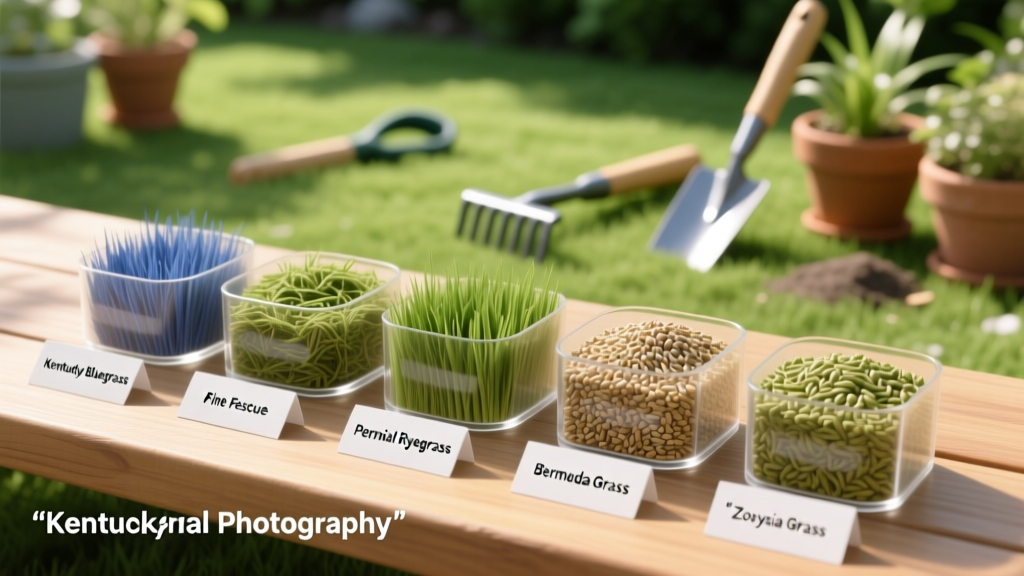
Does Grass Seed Go Bad? Shelf Life & Viability Testing Guide
The Short Answer: Yes, Grass Seed Loses Viability
Grass seed does not rot or spoil in the same way perishable food does, but it absolutely goes bad by losing its ability to germinate. When turfgrass professionals say seed has "gone bad," they are referring to a drop in the germination percentage below the legal or practical threshold for establishment. A bag of Kentucky Bluegrass seed stored in a humid, unclimate-controlled garage for three years may look perfectly normal, but its viability could have plummeted from 90% to under 30%, resulting in patchy, failed germination and wasted money.
With premium turfgrass seed prices ranging from $8 to $14 per pound in 2026, planting dead seed is an expensive mistake. Understanding the biological clock of grass seed and how to test it before overseeding is critical for lawn care success.
The Science of Seed Senescence
Grass seed is a living embryo encased in a protective hull, relying on stored lipids and carbohydrates in the endosperm to fuel initial root (radicle) and shoot (coleoptile) growth. Over time, these stored fats undergo lipid peroxidation, a chemical degradation process accelerated by heat and moisture. This oxidative stress damages the embryo's cell membranes, ultimately killing the seed.
According to turfgrass researchers at the University of Minnesota Extension, the rate of this deterioration is governed by Harrington’s Rules of Seed Storage:
- The Temperature Rule: Seed longevity halves for every 10°F (5.5°C) increase in storage temperature.
- The Moisture Rule: Seed longevity halves for every 10% increase in seed moisture content (which correlates directly to ambient relative humidity).
Pro Tip: The sum of the temperature (in °F) and relative humidity (in %) should ideally be less than 100 for safe long-term seed storage. For example, storing seed at 50°F and 40% humidity (sum = 90) will preserve viability significantly longer than storing it at 75°F and 60% humidity (sum = 135).
Shelf Life Expectancy by Grass Species
Not all grass species age at the same rate. Cool-season grasses with higher oil content in their endosperm tend to degrade faster than warm-season varieties when exposed to poor conditions. Below is a comparative breakdown of expected shelf life based on storage environments.
| Grass Species | Ideal Storage (Climate Controlled) | Poor Storage (Shed/Garage) | Primary Vulnerability |
|---|---|---|---|
| Kentucky Bluegrass | 3–5 Years | 1–2 Years | High lipid oxidation |
| Tall Fescue | 3–4 Years | 1–2 Years | Fungal pathogens in humidity |
| Perennial Ryegrass | 2–3 Years | Under 1 Year | Rapid embryo senescence |
| Bermudagrass | 4–6 Years | 2–3 Years | Insect damage (weevils) |
| Zoysiagrass | 4–5 Years | 2–3 Years | Moisture absorption |
How to Store Grass Seed for Maximum Longevity
If you buy seed in bulk or have leftover seed from a fall overseeding project, proper storage is non-negotiable. Follow this protocol to maintain high germination rates:
- Use Mylar Bags: Transfer seed from breathable paper or woven plastic bags into thick, food-grade Mylar bags. Mylar provides an absolute barrier against moisture and oxygen.
- Add Desiccant Packets: Drop 2 to 3 silica gel desiccant packets (specifically rated for 10-20 grams of moisture absorption) into the bag before sealing to pull residual moisture from the seed hulls.
- Vacuum Seal: Use a vacuum sealer to remove ambient air, drastically slowing the lipid peroxidation process.
- Climate Control: Store the sealed bags in a basement, root cellar, or dedicated refrigerator where temperatures remain consistently between 40°F and 50°F. Avoid sheds or garages, where summer temperature spikes and winter freeze-thaw cycles will rapidly destroy the embryo.
The 10-Day Paper Towel Viability Test
Never trust the "packed on" or "sell by" date printed on a seed bag if it has been stored outside of a climate-controlled environment. The tag only guarantees the germination rate at the time of testing by the producer. To find the current viability, perform this standardized home test outlined by turfgrass science programs.
Step-by-Step Execution
- Sample Selection: Randomly select exactly 10 seeds from the deepest part of the bag (not just the top layer).
- Preparation: Fold a plain white paper towel in half, dampen it with distilled water, and wring it out so it is moist but not dripping.
- Placement: Space the 10 seeds evenly across one half of the paper towel, then fold the other half over them.
- Incubation: Slide the paper towel into a clear Ziploc bag. Leave it slightly unsealed to allow for minimal gas exchange. Place it in a dark area with a consistent ambient temperature of 70°F to 75°F.
- Observation: Check the seeds on Day 7 and Day 10. A seed is considered "viable" if it has produced a visible, healthy white root (radicle) of at least 1/4 inch.
Warning: If you see fuzzy white, gray, or green mold developing on the seeds during the test, the seed lot is contaminated with fungal pathogens. Do not plant this seed, as it can introduce diseases like Pythium blight or damping-off directly into your lawn's soil profile.
Calculating Your Adjusted Seeding Rate
The most critical information gain from the viability test is adjusting your application rate. If your test yields less than 85% germination, you must increase the amount of seed you apply to achieve the target density of 1,000 to 2,000 seeds per square foot.
The Formula:
Target Seeding Rate ÷ (Germination Percentage ÷ 100) = Adjusted Seeding Rate
Example Calculation:
Your target overseeding rate for Tall Fescue is 5 lbs per 1,000 sq ft. Your paper towel test resulted in 6 out of 10 seeds sprouting (60% viability).
5 lbs ÷ 0.60 = 8.33 lbs per 1,000 sq ft.
If you apply the standard 5 lbs, you will effectively be seeding at a 30% deficit, leading to thin turf and weed invasion.
Visual and Olfactory Signs of Dead Seed
While the paper towel test is the only way to confirm viability, degraded seed often presents physical warning signs before you even plant it:
- Musty Odor: Fresh grass seed smells earthy, sweet, and slightly like straw. Seed that smells sour, musty, or like mildew has been exposed to excess moisture and is likely harboring fungal rot.
- Clumping: Seed should flow freely like sand. If the seeds are clumped together in hard masses, they have absorbed ambient humidity, triggering premature enzymatic activity and death.
- Insect Frass: Look closely at the bottom of the bag for a fine, powdery dust. This is frass (insect excrement) indicating that storage weevils or moths have consumed the endosperm from the inside out, leaving only the empty hull.
- Discoloration: While some seeds naturally vary in color, a heavy presence of black or dark purple kernels can indicate ergot or smut fungal infections, which are toxic and should be discarded immediately.

