
Grass Types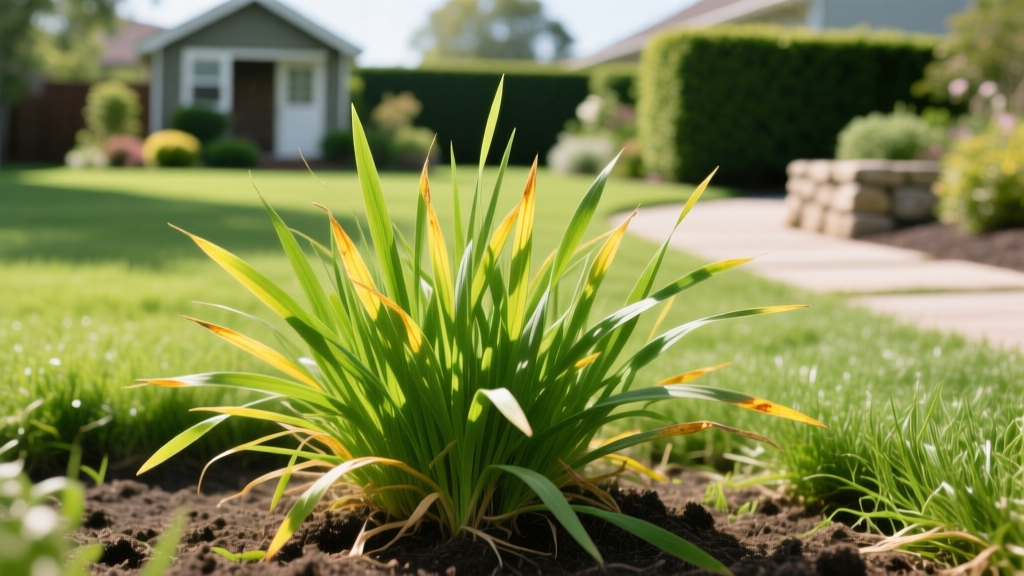
Does Perennial Ryegrass Die in the Summer? Heat Survival Guide
The Short Answer: Dormancy vs. Lethal Heat Stress
When homeowners ask, "does perennial ryegrass die in the summer?", the answer requires distinguishing between physiological dormancy and environmental death. Perennial ryegrass (Lolium perenne) is a cool-season C3 grass. It does not inherently die simply because the calendar shifts to July. However, its optimal growth occurs between 60°F and 75°F. When soil temperatures consistently exceed 80°F, root growth ceases. When air temperatures push past 85°F, shoot growth halts, and the plant enters a protective dormancy state to conserve carbohydrates.
Dormancy is a survival mechanism, not a death sentence. A dormant ryegrass lawn will turn brown and stop growing, but the crown (the growing point at the soil line) remains alive. The actual "death" of perennial ryegrass in the summer is almost always caused by secondary stressors: severe drought that desiccates the crown, or opportunistic fungal pathogens like Pythium blight that exploit the plant's weakened immune system during high-humidity heatwaves.
Perennial Ryegrass Temperature Thresholds
- 60°F - 75°F: Optimal shoot and root growth.
- 75°F - 80°F (Soil): Root growth slows and stops; plant relies on stored carbohydrates.
- 85°F+ (Air): Shoot growth stops; dormancy initiation begins.
- 95°F+ (Prolonged): High risk of crown hydration and cellular collapse if irrigated improperly.
- 100°F+ (Unwatered): Lethal desiccation; crown tissue dies within 48-72 hours.
Identification Guide: Is Your Ryegrass Dormant or Dead?
Misidentifying dormancy as death leads to unnecessary and expensive lawn renovations in late August. Before you fire up a dethatcher or order new seed, perform these three diagnostic tests to determine the true state of your turf.
| Diagnostic Test | Dormant (Alive) | Dead (Necrotic) |
|---|---|---|
| The Pull Test | Grass resists pulling; roots hold firm in the soil. | Grass pulls up effortlessly with no root resistance. |
| Crown Inspection | Crown (base of stem) is firm, white, or pale green inside. | Crown is mushy, dark brown, black, or completely dry/brittle. |
| Root Color | Roots are white or cream-colored, even if short. | Roots are dark brown, black, or slough off easily. |
| Recovery (Watering) | Greening at the base within 7-10 days of deep watering. | No new growth after 14 days of adequate moisture. |
The Real Summer Killers: Pathogens and Crown Hydration
According to NC State Turfgrass Pathology, heat alone rarely kills mature perennial ryegrass; disease does. When ryegrass is heat-stressed, its natural defenses drop, making it highly susceptible to two specific summer pathogens.
1. Pythium Blight (Pythium aphanidermatum)
This is the most lethal summer disease for ryegrass. It strikes when nighttime temperatures remain above 70°F combined with high humidity or prolonged leaf wetness. It appears as greasy, dark, matted patches that can destroy an entire lawn in 48 hours.
- Preventative Protocol: Apply a QoI fungicide (FRAC Group 11) like Azoxystrobin (e.g., Heritage SC) at 0.4 to 0.8 fl oz per 1,000 sq ft in early June before heat stress begins.
- Curative Protocol: If symptoms appear, rotate immediately to a phenylamide (FRAC Group 4) like Metalaxyl, combined with a contact fungicide like Chlorothalonil.
2. Brown Patch (Rhizoctonia solani)
While less rapidly fatal than Pythium, Brown Patch causes severe foliar dieback that weakens the plant, making it vulnerable to subsequent drought. It presents as circular, brown patches with a distinct "smoke ring" border in the early morning.
- Preventative Protocol: Apply SDHI fungicides (FRAC Group 7) such as Fluxapyroxad or Penthiopyrad on a 21-day rotation starting in late May.
Advanced Summer Watering: Deep Irrigation vs. Syringing
Standard watering advice fails during extreme July and August heatwaves. To keep perennial ryegrass alive, you must utilize two distinct watering strategies depending on the time of day.
Expert Insight: "The goal of summer watering for cool-season grasses is not to force growth, but to keep the crown hydrated and cool. Overwatering leads to shallow roots and Pythium; underwatering leads to crown desiccation. Syringing is the bridge between the two." — Turfgrass Management Principles, University of Minnesota Extension
The Syringing Technique (Mid-Day Cooling)
Syringing involves applying a very light amount of water (0.1 to 0.2 inches) to the turf canopy during the hottest part of the day (12:00 PM to 2:00 PM). This does not water the roots or soil; instead, it relies on evaporative cooling to drop the canopy temperature by 5°F to 10°F, preventing cellular collapse and crown cooking. Use an oscillating sprinkler or a hose-end sprayer for just 3 to 5 minutes. Do not syringe if nighttime humidity remains above 85%, as prolonged leaf wetness at night invites Pythium.
Deep Root Irrigation (Early Morning)
Between 4:00 AM and 6:00 AM, apply 1.0 to 1.5 inches of water per week, split into two or three sessions. This ensures the soil profile is moist down to 4-6 inches, encouraging whatever roots remain to stay hydrated without waterlogging the top inch of soil, which breeds disease.
Cultivar Selection: Heat-Tolerant and Endophyte-Enhanced
If you are establishing a new lawn or overseeding in late summer to repair damage, standard forage-type ryegrass will not survive the following summer. You must select turf-type cultivars bred specifically for heat tolerance and disease resistance. Look for endophyte-enhanced varieties. Endophytes are beneficial fungi living inside the grass tissue that produce alkaloids, deterring surface-feeding insects like chinch bugs and sod webworms, which often attack heat-stressed turf.
Top Heat-Tolerant Cultivars for 2026
- 'Palmer IV': Exceptional heat tolerance and strong resistance to stem rust and brown patch.
- 'Fiesta 4': Deep-rooting cultivar that maintains dark green color under drought stress; high endophyte levels.
- 'Caddieshack': Fine-blended texture with superior performance in the Transition Zone where summer heat is most brutal.
- 'Barry': Known for rapid establishment and high survival rates during late-summer heat spikes.
Regional Survival Expectations
Does perennial ryegrass die in the summer where you live? Geography dictates your management expectations.
- Northern Tier (Zones 3-5): Ryegrass survives summer well. Dormancy is brief. Focus on deep watering and preventative fungicides.
- Transition Zone (Zones 6-7): High mortality risk. Summers are too hot for optimal growth but winters are too cold for warm-season grasses. Ryegrass requires intense management (syringing, strict fungicide rotations) to survive July and August.
- Deep South (Zones 8-10): Perennial ryegrass will die in the summer. It is used exclusively as a winter overseeding grass on dormant Bermuda or Zoysia lawns. It naturally dies off in May/June, which is the desired outcome to allow the warm-season turf to green up.
Frequently Asked Questions
Can I fertilize perennial ryegrass in the summer to keep it green?
No. Applying high-nitrogen fertilizer during summer heat forces the plant to expend stored carbohydrates to produce new leaf tissue, which it cannot sustain. This depletes the crown's energy reserves and increases susceptibility to disease. If you must fertilize, use a low-nitrogen, high-potassium (K) product at a rate of no more than 0.25 lbs of N per 1,000 sq ft to support cellular stress tolerance without forcing growth.
Should I mow my ryegrass higher in the summer?
Yes. Raise your mower deck to 3.0 to 3.5 inches. Taller grass blades provide more surface area for photosynthesis, shade the soil (reducing soil temperature and moisture evaporation), and protect the sensitive crown from direct solar radiation. Never remove more than 1/3 of the blade height in a single mowing.
How long can perennial ryegrass stay dormant before it dies?
Under true dormancy (where the crown remains hydrated but the plant is not actively growing), perennial ryegrass can survive for 3 to 4 weeks without significant rainfall. Beyond 30 days of complete drought without supplemental irrigation, the crown tissue will begin to desiccate, leading to permanent, irreversible death and requiring a full fall renovation.

