Grass Types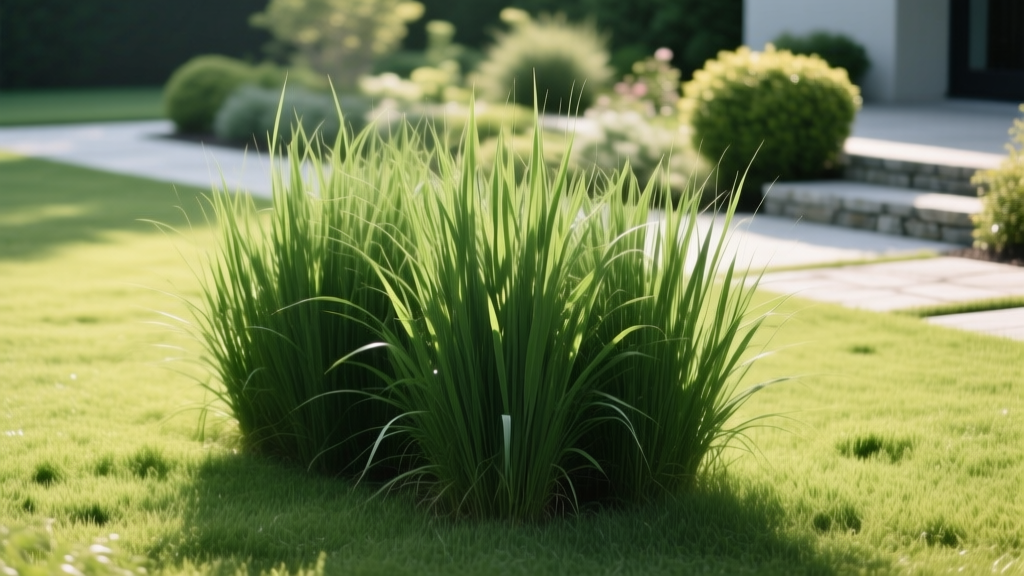
Does Tall Fescue Spread? The Truth About Bunchgrass Growth
The short answer is no: standard tall fescue (Festuca arundinacea) does not spread laterally to fill in bare spots. Unlike Kentucky bluegrass or Bermuda grass, tall fescue is a bunch-type grass. It grows in distinct clumps and expands vertically through a process called tillering, rather than sending out horizontal runners to colonize new soil.
Understanding the biological limitations of bunchgrass is critical for setting realistic lawn care expectations. If a dog urinates on your tall fescue lawn, or if a patch dies from summer brown patch fungus, the surrounding grass will not creep over to heal the wound. To maintain a dense, uniform turf, homeowners must rely on mechanical intervention—specifically, annual overseeding.
Botanical Fact: Tall fescue expands its footprint exclusively through the crown. The crown is the compressed stem tissue at the soil line that produces new vertical shoots (tillers). While a mature tall fescue clump can widen to 4 or 5 inches in diameter over several years, it will never bridge a 12-inch gap of bare dirt on its own.
The Anatomy of Turfgrass Growth: Bunch vs. Creeping
To understand why tall fescue behaves the way it does, it helps to contrast its growth habit with creeping grasses. Turfgrasses utilize three primary methods of expansion:
- Stolons: Above-ground horizontal stems that root at the nodes (e.g., Bermudagrass, Zoysia).
- Rhizomes: Below-ground horizontal stems that surface to create new plants (e.g., Kentucky Bluegrass).
- Tillers: Vertical shoots that emerge from the crown of the parent plant, thickening the existing clump (e.g., Tall Fescue, Perennial Ryegrass).
According to turfgrass research from the University of Minnesota Extension, the lack of rhizomes and stolons in standard tall fescue makes it highly susceptible to thinning over time if not properly maintained. While this bunchgrass habit makes it less aggressive and easier to keep out of flower beds, it necessitates a proactive seeding strategy.
Grass Spreading Mechanisms Compared
When selecting a cool-season grass or diagnosing lawn recovery issues, refer to this comparison matrix to understand how different species handle damage and lateral spread.
| Grass Species | Growth Habit | Spreading Mechanism | Bare Spot Recovery |
|---|---|---|---|
| Tall Fescue | Bunchgrass | Tillers (Vertical) | None (Requires Overseeding) |
| Kentucky Bluegrass | Creeping | Rhizomes (Underground) | Excellent (Aggressive lateral fill) |
| Perennial Ryegrass | Bunchgrass | Tillers (Vertical) | None (Requires Overseeding) |
| Creeping Red Fescue | Creeping/Bunch | Short Rhizomes | Moderate (Slow lateral fill) |
The RTF Exception: Does Rhizomatous Tall Fescue Actually Spread?
In the mid-2000s, turfgrass breeders introduced Rhizomatous Tall Fescue (RTF), marketed heavily as a tall fescue that could spread and repair itself. Brands like Barenbrug RTF and various university-patented cultivars promised the deep-rooted drought tolerance of tall fescue combined with the self-repairing nature of Kentucky bluegrass.
However, turf managers and agronomists note a vital caveat. While RTF does produce rhizomes, they are exceptionally short—typically measuring only 1 to 2 inches in length. Compare this to the rhizomes of Kentucky bluegrass, which can easily span 6 to 12 inches between nodes.
RTF will slowly knit a lawn together over several seasons, providing a denser sod than standard tall fescue. However, if a 6-inch bare spot appears due to grub damage or compaction, RTF will still take multiple growing seasons to bridge the gap. It is not a substitute for annual overseeding in high-traffic lawns.
If you are establishing a new lawn and want the deepest possible root system (up to 3 feet deep in ideal soils) with slightly better lateral density, RTF cultivars like 'Barvetto' or 'Rhizomatous II' are excellent choices. But do not expect them to perform like a creeping bentgrass or bluegrass when it comes to rapid damage recovery.
The Overseeding Protocol: Forcing Tall Fescue to Fill In
Because tall fescue lacks lateral spread, the only way to maintain a thick, weed-resistant turf is to introduce new plants mechanically. The Texas A&M AgriLife Extension recommends fall overseeding as the cornerstone of tall fescue management. Follow this precise protocol to maximize seed-to-soil contact and germination.
Step 1: Canopy Reduction and Aeration
Mow the existing lawn down to 2 inches, which is lower than the standard 3.5-inch maintenance height. This allows sunlight to reach the soil surface. Follow immediately with core aeration, pulling 3-inch plugs at a density of 15 to 20 plugs per square foot. This relieves soil compaction and creates micro-depressions for seed to settle.
Step 2: Precise Seed Application
For overseeding an existing thin lawn, apply tall fescue seed at a rate of 3 to 5 lbs per 1,000 square feet. If you are patching completely bare dirt spots, increase the rate to 8 to 10 lbs per 1,000 square feet. Use a broadcast spreader, splitting the seed in half and applying in two perpendicular passes to ensure even distribution.
Step 3: Starter Fertilizer and Topdressing
Apply a high-phosphorus starter fertilizer (such as an 18-24-12 NPK ratio) at the rate specified on the bag to fuel rapid root development. Lightly drag the lawn with a piece of chain-link fence or a lawn broom to work the seed into the aeration holes. For bare spots, topdress with a 1/4-inch layer of screened compost to retain moisture.
Warning on Pre-Emergent Herbicides: Never apply a pre-emergent crabgrass preventer (like Prodiamine or Dithiopyr) within 60 days before or after overseeding tall fescue. These chemicals do not discriminate between crabgrass and fescue seed; they will halt the cellular division of your new grass, resulting in total germination failure.
Maintenance Practices to Maximize Tillering
While you cannot make tall fescue spread horizontally, you can encourage the crown to produce a maximum number of vertical tillers, resulting in a denser individual clump.
- Mowing Height: Maintain a mowing height of 3.5 to 4 inches. Cutting tall fescue below 3 inches removes the growing point of the tillers, forcing the plant to expend energy regenerating leaf tissue rather than producing new crown shoots.
- Nitrogen Timing: Apply 70% of your annual nitrogen fertilizer in the fall (September and November). Spring nitrogen applications promote rapid, weak vertical leaf growth that is highly susceptible to summer diseases like Pythium blight, which kills entire clumps and leaves permanent bare spots.
- Irrigation: Tall fescue requires 1 to 1.5 inches of water per week. Water deeply and infrequently (e.g., 0.5 inches twice a week) to encourage deep root growth, which supports a larger, more robust crown capable of sustaining more tillers.
Frequently Asked Questions
Will tall fescue choke out weeds if it gets thick enough?
Yes. A densely tillered tall fescue lawn, maintained at 4 inches and overseeded annually, creates a canopy so thick that it blocks sunlight from reaching the soil, effectively preventing weed seeds like crabgrass and dandelions from germinating. Because it doesn't spread to fill gaps, achieving this density relies entirely on your overseeding efforts.
Can I mix Kentucky bluegrass with tall fescue to get the best of both?
Mixing 10% to 15% Kentucky bluegrass seed into a tall fescue overseeding blend is a common professional strategy. The bluegrass provides the lateral rhizome spread to heal minor bare spots, while the tall fescue provides the deep-rooted drought and heat tolerance. Ensure you use a shade-tolerant bluegrass cultivar, as tall fescue's thick canopy can shade out weaker bluegrass seedlings.
Why is my tall fescue growing in isolated, dark green clumps?
If you see distinct, dark green, fast-growing clumps that are wider than the surrounding grass, you are likely looking with Poa trivialis (rough bluegrass) or a forage-type tall fescue contaminant like Kentucky 31 (K-31). K-31 is an older, agricultural variety of tall fescue that grows in very wide, coarse, light-green clumps and is highly undesirable in modern residential turf.