
Grass Types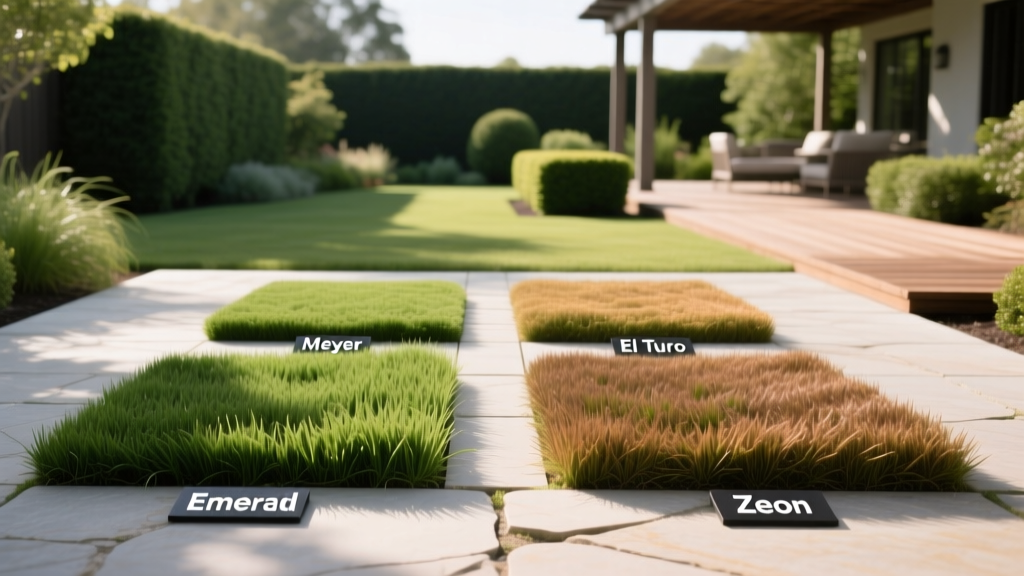
Does Zoysia Grow in Shade? Cultivar Guide & Sunlight Thresholds
The Short Answer: How Much Shade Can Zoysia Actually Handle?
When homeowners ask, "does zoysia grow in shade?" the answer requires distinguishing between partial shade and dense shade. Zoysia is inherently a warm-season grass that thrives in full, unfiltered sunlight (8+ hours daily). However, specific cultivars have been bred to tolerate partial shade, provided they receive a minimum threshold of direct or highly filtered light.
Quick Verdict: Standard Zoysia requires at least 6 hours of direct sunlight. Shade-tolerant cultivars (like Zeon or Cavalier) can survive on 3 to 4 hours of direct or dappled sunlight. No Zoysia variety will survive in dense, full-day shade beneath thick evergreen canopies.
Understanding the exact light metrics and choosing the right genetics are the only ways to successfully establish Zoysia in shaded areas of your landscape.
Decoding Light Exposure: The Sunlight Threshold Matrix
Not all shade is created equal. Dappled light filtering through a high pine canopy behaves entirely differently from the dense, blocking shade of a low-branching oak. Before purchasing Zoysia sod or plugs, conduct a 48-hour light audit of your yard to categorize your shade levels.
| Light Category | Direct Sun Hours | Zoysia Viability | Required Action |
|---|---|---|---|
| Full Sun | 8+ hours | Excellent | Any cultivar; standard maintenance |
| Partial / Dappled | 4 to 6 hours | Good to Very Good | Select shade-tolerant cultivars; raise mowing height |
| Moderate Shade | 3 to 4 hours | Marginal | Zeon or Cavalier only; aggressive canopy pruning |
| Dense Shade | Under 3 hours | Poor / Failure | Switch to St. Augustine, fine fescue, or groundcovers |
Top Shade-Tolerant Zoysia Cultivars
If your light audit confirms 3 to 5 hours of sunlight, you must bypass generic "Zenith" or "Meyer" (Z-52) seed and invest in vegetatively propagated (sod/plug) cultivars specifically bred for low-light photosynthesis. According to turfgrass researchers at Texas A&M AgriLife Extension, fine-textured Zoysias generally exhibit superior shade tolerance compared to coarse-textured varieties.
1. Zeon Zoysia
Zeon is widely considered the gold standard for shade-tolerant warm-season turf. Developed for its extremely fine leaf texture and deep green color, Zeon can maintain density with as little as 3 to 4 hours of direct or heavily filtered sunlight. It is highly resistant to drought but requires well-draining soil to prevent fungal issues in shaded, damp environments.
2. Cavalier Zoysia
Cavalier features a fine, needle-like blade that performs exceptionally well in partial shade. It is slightly more cold-tolerant than Zeon, making it a superior choice for homeowners in the upper transition zone (e.g., parts of Virginia, Kentucky, and Missouri) dealing with shaded yards.
3. El Toro Zoysia
An anomaly in the shade-tolerance category, El Toro is a coarse-bladed, fast-establishing Zoysia that handles moderate shade surprisingly well. While it lacks the manicured, carpet-like appearance of Zeon, its aggressive stolon growth helps it recover quickly from the stress of low-light conditions and heavy foot traffic.
The Hidden Variable: Tree Root Competition
When evaluating if Zoysia will grow in your shaded yard, light is only half the equation. The primary reason Zoysia fails under large trees is not just the lack of photons, but subterranean resource theft. Mature oaks, pines, and maples possess vast, shallow root networks that aggressively monopolize soil moisture and applied fertilizers.
Warning: The Water Deficit
A single mature oak tree can extract hundreds of gallons of water from the soil daily. If you plant Zeon Zoysia beneath it without adjusting your irrigation, the grass will experience severe drought stress, mimicking the symptoms of light deprivation (thinning, browning, and eventual death).
A single mature oak tree can extract hundreds of gallons of water from the soil daily. If you plant Zeon Zoysia beneath it without adjusting your irrigation, the grass will experience severe drought stress, mimicking the symptoms of light deprivation (thinning, browning, and eventual death).
The Fix: Install a dedicated drip irrigation zone or micro-sprinklers specifically for the turf beneath the tree canopy. You must water shaded Zoysia 15-20% more frequently than sun-exposed areas during peak summer months to compensate for tree root extraction.
Maintenance Adjustments for Shaded Zoysia
Growing Zoysia in partial shade requires a fundamental shift in your maintenance protocol. Applying a standard full-sun care regimen to shaded Zoysia will actively kill the grass. Follow these precise adjustments:
- Increase Mowing Height by 0.5 to 1 Inch: If you mow your sunny Zoysia at 2.0 inches, raise the deck to 2.5 or 3.0 inches in shaded zones. Taller grass blades provide a larger surface area to capture limited sunlight for photosynthesis.
- Reduce Nitrogen by 30% to 50%: Excess nitrogen in shaded areas forces the grass to produce rapid, spindly, and weak cell growth. According to NC State Extension, over-fertilizing shaded turf drastically increases susceptibility to Rhizoctonia solani (Brown Patch fungus), which thrives in the humid, stagnant air beneath tree canopies.
- Elevate Tree Canopies: Hire an arborist to "crown raise" your shade trees. Removing the lower branches up to a height of 8 to 10 feet allows crucial low-angle morning and late-afternoon sunlight to penetrate the turf canopy.
- Aerate and Top-Dress Annually: Tree roots compact the soil over time. Core aeration followed by a light top-dressing of compost improves oxygen flow to the Zoysia roots, helping them compete with the tree.
When to Pivot: Alternatives for Dense Shade
If your yard receives less than 3 hours of direct sunlight, or if the shade is cast by dense, low-branching evergreens, Zoysia will eventually fail. In these scenarios, pivot to species specifically engineered for heavy shade:
- St. Augustine (Cultivars: Palmetto, Seville, Sapphire): The undisputed king of warm-season shade tolerance. It requires less light than any Zoysia variety but is vulnerable to chinch bugs and cold snaps.
- Fine Fescues (Creeping Red, Chewings): If you live in the cool-season or transition zone, fine fescues are the best shade-tolerant option. They require minimal fertilizer and handle dry shade well.
- Non-Turf Groundcovers: For areas with zero turf viability, transition to shade-loving groundcovers like Liriope (Monkey Grass), Mondo Grass, or Asian Jasmine. These provide a lush, green aesthetic without the biological impossibility of maintaining turfgrass in the dark.
Frequently Asked Questions
Can I plant Zoysia seed in a shaded area?
It is highly discouraged. The most common Zoysia seeds available (like Zenith or Compadre) are significantly less shade-tolerant than vegetative cultivars like Zeon or Cavalier. Furthermore, Zoysia seed requires consistent moisture and warm soil temperatures to germinate, conditions that are often disrupted by the dry, competitive environment beneath tree canopies. Always use sod or plugs for shaded applications.
Why is my shaded Zoysia turning yellow?
Yellowing (chlorosis) in shaded Zoysia is typically caused by one of three factors: severe nitrogen deficiency (if you have correctly reduced fertilizer but went too low), poor drainage leading to root rot, or iron chlorosis induced by high soil pH. Conduct a soil test to pinpoint the exact nutrient deficiency before applying amendments.
Does dappled sunlight count towards the 4-hour requirement?
Yes, but with a caveat. Dappled sunlight (light filtering through moving leaves) is less intense than direct, unfiltered sunlight. Four hours of sharp, direct morning sun is biologically more valuable to Zoysia than six hours of heavily filtered, dappled light. When auditing your yard, weight direct sun heavier than dappled light.

