Grass Types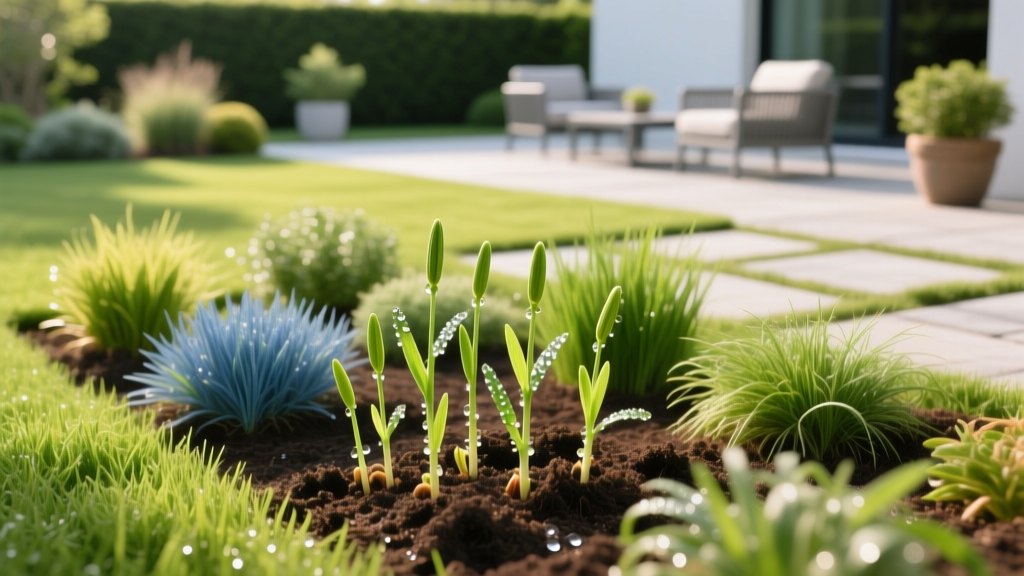
Fastest Germinating Grass Seed: Top Picks for Rapid Lawn Repair
When a lawn suffers from severe pet damage, heavy foot traffic, or sudden erosion, waiting three weeks for grass to sprout is not an option. Homeowners and turf managers need immediate coverage. Finding the fastest germinating grass seed requires understanding the biological limits of turfgrass species and matching them to your specific soil temperatures and climate zone. While standard Kentucky Bluegrass can take 14 to 30 days to emerge, specific cool-season and warm-season species can break the soil surface in as little as 3 to 5 days under optimal conditions.
This guide breaks down the exact species, cultivars, and establishment protocols required to achieve rapid germination, bypassing the common pitfalls that delay seed emergence and invite weed competition.
The Biology of Rapid Seed Germination
Germination speed is dictated by three primary factors: seed coat permeability, soil temperature, and moisture availability. Grass seeds with thinner pericarps (seed coats) absorb water faster, triggering the enzymatic breakdown of the endosperm and the emergence of the radicle (first root). According to research from the UC Davis Center for Turfgrass Research, ryegrasses possess naturally permeable seed coats, allowing them to imbibe water and initiate metabolic processes much faster than thick-coated species like tall fescue or Kentucky bluegrass.
However, speed is highly temperature-dependent. A seed that germinates in 4 days at 65°F may take 12 days at 50°F. Furthermore, many commercial seeds are treated with fungicidal coatings (such as Penkoted or WaterSmart PLUS). While these coatings improve seedling survival rates by retaining moisture and preventing rot, they can delay initial germination by 12 to 24 hours as the coating must first dissolve.
Market Matrix: Fastest Germinating Grass Seeds
Not all fast grasses are created equal. Annual ryegrass sprouts the quickest but dies within a year, while perennial ryegrass offers a permanent, albeit slightly slower, solution. The table below compares the fastest options available on the market for rapid establishment.
| Species | Days to Germinate | Optimal Soil Temp | Best Use Case | Top Cultivar / Brand |
|---|---|---|---|---|
| Annual Ryegrass | 3 - 5 days | 55°F - 70°F | Temporary erosion control, winter overseeding | Pennington Annual Ryegrass |
| Perennial Ryegrass | 5 - 7 days | 50°F - 65°F | Permanent patch repair, high-traffic zones | Jonathan Green Black Beauty Ultra |
| Bermudagrass (Seeded) | 7 - 10 days | 65°F - 75°F | Warm-season southern lawns, full sun repair | Scotts Turf Builder Bermudagrass |
| Rough Bluegrass (Poa trivialis) | 5 - 7 days | 50°F - 60°F | Fast patch repair in heavy, damp shade | Outsidepride Rough Bluegrass |
Expert Insight: If you are repairing a cool-season lawn in early spring or late fall, Perennial Ryegrass is your best permanent option. Do not use Annual Ryegrass for permanent patch repair; it will outcompete your existing turf for one season and then die off, leaving you with a bare spot the following year. Data from the National Turfgrass Evaluation Program (NTEP) consistently shows that modern perennial ryegrass cultivars possess superior disease resistance compared to older varieties, making them viable long-term lawn components.
Step-by-Step Protocol for 5-Day Germination
Buying fast-germinating seed is only half the battle. If the seedbed is poorly prepared, even annual ryegrass will fail to emerge on schedule. Follow this strict protocol to guarantee rapid emergence.
Phase 1: Seedbed Preparation
Fast germination requires immediate seed-to-soil contact. Rake the bare area to a depth of 2 inches, breaking up all soil clods larger than a pea. Remove debris and stones. If the soil is heavily compacted, use a manual core aerator or a garden fork to relieve compaction. Apply a starter fertilizer high in phosphorus (e.g., a 10-18-10 NPK ratio) to stimulate rapid root development. Phosphorus is immobile in soil, so it must be raked into the top 2 inches where the new roots will form.
Phase 2: Sowing and Seed-to-Soil Contact
Apply the seed at the correct rate. Over-seeding does not speed up germination; it causes overcrowding and damping-off disease.
- Perennial Ryegrass: 8 to 10 lbs per 1,000 sq ft.
- Annual Ryegrass: 10 to 15 lbs per 1,000 sq ft.
- Seeded Bermuda: 2 to 3 lbs (hulled) per 1,000 sq ft.
Phase 3: The 14-Day Hydration Schedule
Moisture is the trigger for germination. The top 1/4 inch of soil must remain consistently damp—but never waterlogged—until the grass reaches 1 inch in height. Water 3 to 4 times a day for 5 minutes per session using a fine mist sprinkler head. Heavy streams will wash the seeds away or bury them too deep. Once the seedlings reach 1 inch, reduce watering to once a day for 15 minutes to encourage deeper root growth.
Troubleshooting Establishment Failures
Even with the fastest germinating grass seed, environmental factors can stall the process. Here is how to identify and fix the most common issues.
Soil Crusting
Symptom: Seeds sprout but the shoots curl and die beneath a hard, baked layer of topsoil. This is common in heavy clay soils during warm, dry spells.
Fix: Apply a very thin layer (1/8 inch) of weed-free straw mulch or a commercial peat-moss based seed accelerator immediately after sowing. This breaks the surface tension of the soil and prevents the sun from baking the top layer into a concrete-like crust.
Damping-Off Disease
Symptom: Seedlings emerge but suddenly collapse, turn brown at the soil line, and die. This fungal disease thrives in overly wet, poorly drained soil.
Fix: Reduce watering frequency immediately. Ensure you are not applying seed at double the recommended rate, as poor airflow between dense seedlings invites Pythium fungi. If the problem persists, consult local extension guidelines, such as those provided by Penn State Extension, for targeted, turf-safe fungicide applications.
Expert FAQ
Can I mix fast-germinating ryegrass with Kentucky Bluegrass?
Yes, this is a standard industry practice known as using a "nurse grass." The ryegrass will germinate in 5 days, stabilizing the soil and providing a microclimate that shades the slower-germinating Kentucky Bluegrass (which takes 14-21 days). However, keep the ryegrass percentage below 20% of the total seed mix by weight, or it will permanently outcompete the bluegrass for nutrients.
Does seed age affect germination speed?
Absolutely. Grass seed loses viability and vigor over time. Seed that is more than two years old will not only have a lower overall germination rate, but the seeds that do sprout will emerge 2 to 4 days slower due to degraded internal energy reserves. Always check the "Sell By" or "Test Date" on the seed tag and only purchase seed tested within the last 12 months.
Is hydroseeding faster than traditional seeding?
Hydroseeding does not change the biological germination time of the seed itself, but it creates a perfect micro-environment that prevents the soil from drying out. Because the seed never experiences moisture stress, it will consistently hit the minimum germination window (e.g., exactly 5 days for ryegrass) whereas traditionally sown seed might fluctuate between 5 and 8 days depending on daily humidity and wind.