Grass Types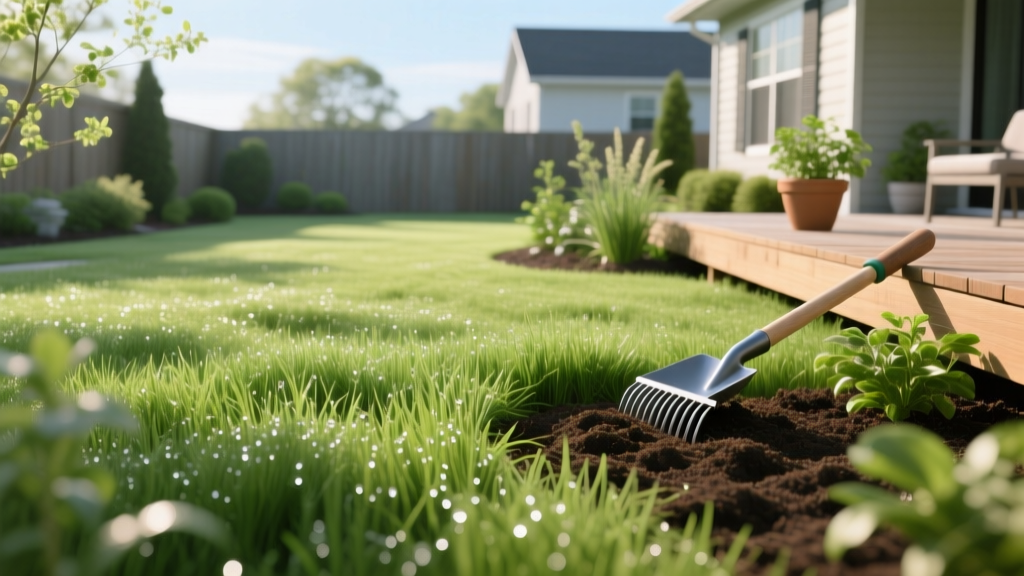
Fine Fescue Grass Seed Planting Time Wilmington NC: Expert Guide
The Reality of Growing Fine Fescue in Coastal North Carolina
Wilmington sits squarely in the challenging Transition Zone, characterized by humid subtropical summers and mild winters. While tall fescue and bermudagrass dominate the region, fine fescue (encompassing creeping red, Chewings, hard, and sheep fescues) serves a highly specific, critical niche: heavily shaded areas under dense pine and live oak canopies where other species fail. However, because fine fescue is a cool-season grass with low heat tolerance, timing your establishment is the single most important factor in preventing summer die-off.
Crucial Warning for Wilmington Homeowners: Never plant fine fescue in full sun in coastal NC. Even with perfect irrigation, the intense July and August UV radiation combined with 90% humidity will trigger severe fungal pathogens and physiological collapse. Reserve this seed exclusively for areas receiving less than 4 hours of direct, filtered sunlight daily.
Pinpointing the Ideal Planting Window
The optimal fine fescue grass seed planting time in Wilmington, NC is strictly dictated by soil temperature, not the calendar. Fine fescue requires soil temperatures between 50°F and 65°F for rapid germination and deep root establishment before winter dormancy.
Wilmington Soil Temperature vs. Planting Success
| Planting Window | Avg. Soil Temp (2-inch depth) | Germination Speed | Summer Survival Rate |
|---|---|---|---|
| Early September (1-15) | 72°F - 78°F | 7-10 days | Moderate (High heat stress risk) |
| Mid-Sept to Mid-Oct (15-20) | 55°F - 65°F | 10-14 days | Excellent (Optimal root depth) |
| Late October (21-31) | 45°F - 52°F | 21-28 days | Poor (Insufficient root mass) |
| Spring (March - April) | 55°F - 65°F | 10-14 days | Very Poor (Shallow roots fry in July) |
According to NC State TurfFiles, cool-season grasses planted in the fall develop root systems up to three times deeper than those planted in spring. For Wilmington's fast-draining sandy soils, this depth is mandatory to access subsoil moisture during summer droughts.
Selecting the Right Cultivars for Coastal Shade
Generic 'Shade Mix' bags from big-box stores often contain perennial ryegrass or Kentucky bluegrass, which will rapidly succumb to Wilmington's humidity and fungal pressure. You must source pure, certified fine fescue cultivars bred for disease resistance.
Top Recommended Cultivars for Zone 8a
- Shoreline Creeping Red Fescue: Exceptional shade tolerance and moderate rhizome spread. Best for stabilizing shaded slopes.
- Aberdeen Chewings Fescue: Upright growth habit with superior resistance to dollar spot and brown patch, the two most devastating fungi in coastal NC.
- Navigator II Creeping Red: Bred by the Rutgers University turfgrass program (see Rutgers Turfgrass Research) for enhanced endophyte levels, which naturally deter surface-feeding insects like chinch bugs.
Soil Preparation Protocol for Wilmington's Sandy Loam
Wilmington soils are predominantly Norfolk sandy loam or Wando sand. These soils drain rapidly, leaching nutrients and failing to hold the consistent moisture fine fescue seedlings require during their first 30 days.
Step-by-Step Seedbed Preparation
- Core Aeration & De-thatching: If overseeding an existing sparse lawn, pull 3-inch plugs spaced 2 inches apart. Remove all organic debris.
- Amend with Organic Matter: For new seedbeds, spread a 1-inch layer of screened leaf compost (not heavy manure, which introduces weed seeds and excess salts). Till to a depth of exactly 4 inches. This increases the cation exchange capacity (CEC) of the sand, allowing it to hold fertilizer.
- Grade and Level: Rake the area smooth. Fine fescue seed is tiny; cloddy or uneven soil will result in patchy germination.
- Apply Starter Fertilizer: Use a high-phosphorus starter fertilizer (e.g., 18-24-12) at a rate of 1.0 lb of actual nitrogen per 1,000 sq ft. Phosphorus is critical for early root development in sandy soils.
Seeding, Rolling, and Initial Irrigation
Precision during the seeding phase prevents seed washout during sudden coastal thunderstorms.
- Seeding Rate: Apply 5 to 6 lbs of pure fine fescue seed per 1,000 square feet. Do not exceed this rate; overcrowding seedlings compete for resources and invite damping-off disease.
- Seed-to-Soil Contact: Drag a flexible leaf rake lightly over the area to cover seeds with no more than 1/8 inch of soil. Fine fescue requires light to germinate; burying it too deep will cause failure.
- Hydro-Rolling: Use a water-filled lawn roller (approx. 150 lbs) to press the seed firmly into the compost-amended sand. This eliminates air pockets and ensures capillary moisture reaches the seed coat.
- Watering Schedule: Water lightly 3 to 4 times daily for 5-7 minutes per zone. The goal is to keep the top 1/2 inch of soil perpetually damp, not saturated. Once seedlings reach 1 inch tall (usually day 14), reduce watering to once daily for 15 minutes to encourage roots to chase the moisture downward.
Summer Survival: The Wilmington Maintenance Calendar
Establishing the grass is only half the battle; keeping it alive through a Wilmington August requires proactive management.
Pro-Tip: Preventative Fungicide Application
Fine fescue is highly susceptible to Brown Patch (Rhizoctonia solani) when nighttime temperatures stay above 70°F with high humidity. In mid-May, apply a preventative granular fungicide containing Azoxystrobin (e.g., Scotts DiseaseEx) or Propiconazole. Reapply every 28 days through September. This single practice is the difference between a thriving shaded lawn and a dead one.
Fine fescue is highly susceptible to Brown Patch (Rhizoctonia solani) when nighttime temperatures stay above 70°F with high humidity. In mid-May, apply a preventative granular fungicide containing Azoxystrobin (e.g., Scotts DiseaseEx) or Propiconazole. Reapply every 28 days through September. This single practice is the difference between a thriving shaded lawn and a dead one.
Cost Breakdown: Establishing 2,000 Sq Ft of Shaded Lawn
| Material / Service | Quantity Needed | Estimated Cost (2026 Pricing) |
|---|---|---|
| Certified Chewings Fescue Seed | 12 lbs (6 lbs/1k sq ft) | $110 - $140 |
| Screened Leaf Compost | 2.5 cubic yards | $120 - $150 |
| 18-24-12 Starter Fertilizer | 15 lb bag | $35 - $45 |
| Azoxystrobin Fungicide | 2 applications (10k sq ft coverage) | $40 - $60 |
| Total Estimated Investment | $305 - $395 |
Frequently Asked Questions
Can I mix fine fescue with tall fescue in Wilmington?
It is generally discouraged in deep shade. Tall fescue requires more sunlight and will eventually outcompete and choke out the fine fescue in transitional light zones. Keep fine fescue in pure stands for heavily shaded areas under dense tree canopies.
When should I mow my newly planted fine fescue?
Wait until the grass reaches 3.5 inches in height. Fine fescue performs best in coastal NC when maintained at a higher cut (2.5 to 3.0 inches) to maximize leaf surface area for photosynthesis in low-light environments and to shade out weed seeds.
Does fine fescue require as much nitrogen as bermudagrass?
No. Over-fertilizing fine fescue is a common mistake that leads to lush, weak growth highly susceptible to disease. Apply only 1.0 to 1.5 lbs of nitrogen per 1,000 sq ft annually, split between a late-fall application (November) and a very light spring application (March). Never apply high-nitrogen fertilizer in late spring or summer.