Grass Types
The Ultimate Guide to Low Maintenance Grass Types
Lisa ThompsonPublished
The Ultimate Guide to Low Maintenance Grass Types
For many homeowners, the dream of a lush, green lawn is quickly tempered by the reality of weekend chores. Constant mowing, frequent watering, and endless fertilization can turn lawn care into a part-time job. Fortunately, selecting the right turfgrass can dramatically reduce the time, energy, and resources required to keep your yard looking pristine. By choosing grass that is low maintenance, you can achieve a beautiful landscape that works with your local environment rather than against it.
Low maintenance grasses are typically characterized by their slow vertical growth rates, deep root systems, natural drought tolerance, and inherent resistance to common lawn diseases and pests. Whether you live in a hot, arid climate or a cooler region with distinct seasons, there is an easy-care turfgrass suited for your yard. In this comprehensive guide, we will explore the best low maintenance grass varieties, their ideal growing zones, and the essential practices needed to keep them thriving with minimal effort. For a broader look at all available options, be sure to explore our complete grass type directory.
Top Warm-Season Low Maintenance Grasses
Warm-season grasses thrive in the southern and central regions where summers are hot and winters are mild. These grasses are naturally adapted to conserve water and withstand high temperatures, making them excellent candidates for low maintenance lawns.
Zoysia Grass
Zoysia is widely considered one of the best low maintenance grasses available for warm climates. It features a dense, carpet-like growth habit that naturally chokes out weeds, significantly reducing the need for chemical herbicides. Because Zoysia grows slowly vertically, it requires far less mowing than other warm-season varieties like Bermuda grass. Once established, its deep root system provides exceptional drought tolerance, allowing it to survive extended dry periods with minimal supplemental watering. Zoysia does have a notable winter dormancy period, turning brown after the first frost, but its heavy traffic tolerance and low fertilizer requirements make it a favorite for effortless lawn care. Learn more about this resilient turf in our detailed Zoysia grass guide.
Bermuda Grass
Bermuda grass is famous for its aggressive growth and incredible durability. While its aggressive nature means it can invade flower beds if not edged properly, this same trait allows it to recover rapidly from heavy foot traffic and pet damage. Bermuda is highly drought-tolerant and thrives in full sun, requiring very little water once its deep root system is established. It requires minimal fertilization to maintain a healthy green color during the growing season. The primary maintenance task for Bermuda grass is edging and occasional aeration to prevent soil compaction, making it an ideal choice for active families who want a tough, easy-care lawn.
Centipede Grass
Often referred to as the 'lazy man's grass,' Centipede grass is a slow-growing, low-fertility turf that thrives in acidic soils. Unlike many other grasses that demand heavy nitrogen applications, Centipede grass actually suffers if over-fertilized. It requires only one or two light feedings per year and prefers a soil pH between 5.0 and 6.0. Its slow growth rate means you will spend significantly less time pushing the mower. While it is not as drought-tolerant as Zoysia or Bermuda, its shallow root system responds quickly to rainfall, and it maintains a beautiful, pale green color with very little intervention.
Bahia Grass
If you are dealing with poor, sandy, or infertile soil, Bahia grass is an outstanding low maintenance solution. Originally introduced for pasture and erosion control, Bahia has a massive, deep root system that allows it to survive severe droughts and neglect. It requires almost no fertilizer and is highly resistant to pests and diseases. The main drawback is its coarse texture and the tendency to produce tall, Y-shaped seed heads that require frequent mowing during the peak of summer. However, for large properties or rural areas where a rugged, survivalist lawn is desired, Bahia is virtually unbeatable.
Top Cool-Season Low Maintenance Grasses
Cool-season grasses are best suited for northern climates and the transition zone, where they experience vigorous growth during the cool spring and fall months. While they generally require more water than warm-season varieties, specific types have been bred for exceptional resilience and low upkeep.
Fine Fescue
Fine Fescue is a collective term for several grass species, including creeping red fescue, chewings fescue, and hard fescue. These grasses are the undisputed champions of shade tolerance and low-input lawn care. Fine Fescues require very little fertilizer, thrive in poor soils, and have excellent drought resistance. One of the most appealing aspects of Fine Fescue is its suitability for 'no-mow' or naturalized lawns. When left uncut, it folds over into a soft, meadow-like appearance that is both beautiful and eco-friendly. If you prefer a traditional look, it only needs mowing a few times a year. Read our Fine Fescue profile for specific planting tips.
Tall Fescue
Tall Fescue is a bunch-type grass known for its incredibly deep root system, which can reach up to three feet into the soil. This profound root depth grants Tall Fescue the highest drought and heat tolerance among cool-season grasses, making it a staple in the transition zone where summers can be brutal. Modern turf-type Tall Fescue varieties feature a finer blade and a rich, dark green color. It requires moderate mowing but is highly resistant to wear and tear, and it stays green for a longer portion of the year compared to Kentucky Bluegrass. Check out our Tall Fescue care guide for more information.
Understanding Growing Zones and Climate Compatibility
Selecting a low maintenance grass is only effective if the variety is matched to your specific climate and microclimate. Planting a warm-season grass in a cold northern zone will result in winter kill, while planting a cool-season grass in the deep south will lead to summer burnout and excessive water demands.
- Warm-Season Zones: The southern third of the country, where summer temperatures consistently exceed 80°F. Zoysia, Bermuda, Centipede, and Bahia thrive here, going dormant and turning brown during mild winters.
- Cool-Season Zones: The northern two-thirds of the country, characterized by cold winters and moderate summers. Fine Fescue and Tall Fescue excel here, maintaining their color through the cooler months.
- The Transition Zone: A challenging horizontal band across the middle of the country where both warm and cool-season grasses struggle at their extremes. Tall Fescue and Zoysia are generally the most successful low maintenance options in this volatile region.
Always consider your yard's microclimates. Areas with heavy tree cover will require shade-tolerant species like Fine Fescue, while wide-open, sun-baked areas are perfect for Bermuda or Bahia. Matching the grass to the site is the single most important step in reducing long-term maintenance.
Essential Maintenance Practices for Easy-Care Lawns
The term 'low maintenance' does not mean 'no maintenance.' Even the most resilient grasses require basic, strategic care to thrive. By following smart lawn care practices, you can maximize the natural strengths of your chosen turfgrass.
Mowing Best Practices
One of the most common mistakes homeowners make is cutting their grass too short. Scalping a lawn stresses the plant, encourages weed seed germination, and exposes the soil to moisture evaporation. For low maintenance grasses, adopt a 'mow high' strategy. Keeping Zoysia and Bermuda at 1.5 to 2 inches, and Tall Fescue at 3 to 4 inches, promotes deeper root growth and shades out weeds. Always follow our mowing best practices to ensure you are never removing more than one-third of the grass blade at a time.
Smart Watering Techniques
Low maintenance grasses are typically drought-tolerant, meaning they do not need daily sprinkler sessions. In fact, frequent, shallow watering encourages shallow root systems, making the lawn more dependent on irrigation. Instead, water deeply and infrequently. Providing about one inch of water per week, applied in one or two sessions, forces roots to grow deep into the soil in search of moisture. Review our watering schedules to optimize your irrigation system.
Minimal Fertilization
Over-fertilizing is a primary driver of high lawn maintenance. Excess nitrogen causes rapid, weak top growth that requires constant mowing and makes the grass susceptible to pests and fungal diseases. Low maintenance grasses like Centipede and Fine Fescue require very little supplemental nutrition. Conduct a soil test every few years and apply only what is necessary. For most easy-care lawns, a single application of slow-release organic fertilizer in the fall or spring is sufficient. Visit our fertilizing guide for tailored advice.
Pros and Cons of Low Maintenance Turfgrasses
Before ripping out your existing lawn or seeding a new one, it is important to weigh the advantages and disadvantages of low maintenance grass varieties.
The Pros
- Time and Energy Savings: Slower vertical growth rates mean you will spend significantly less time mowing, trimming, and edging your lawn.
- Water Conservation: Deep-rooted, drought-tolerant varieties drastically reduce your water bill and conserve vital municipal resources.
- Reduced Chemical Use: Dense, naturally vigorous grasses outcompete weeds and resist diseases, minimizing the need for herbicides, pesticides, and synthetic fertilizers.
- Environmental Benefits: Less mowing means fewer emissions from gas-powered equipment, and less fertilization means reduced chemical runoff into local waterways.
The Cons
- Slower Establishment: Many low maintenance grasses, particularly Zoysia and Fine Fescue, germinate and spread slowly, requiring patience during the first year or two.
- Winter Dormancy: Warm-season grasses turn brown during winter dormancy, which some homeowners find aesthetically unpleasing compared to year-round green lawns.
- Coarser Textures: Some highly resilient grasses, like Bahia and Centipede, have a wider, coarser leaf blade that lacks the soft, carpet-like feel of Kentucky Bluegrass.
- Invasiveness: Aggressive spreaders like Bermuda grass require regular edging to keep them out of garden beds and walkways.
Low Maintenance Grass Comparison Table
The following table provides a quick reference guide to help you compare the characteristics of the most popular easy-care grass types.
| Grass Type | Season | Drought Tolerance | Mowing Frequency | Shade Tolerance | Traffic Tolerance |
|---|---|---|---|---|---|
| Zoysia | Warm | High | Low | Moderate | High |
| Bermuda | Warm | Very High | Moderate | Low | Very High |
| Centipede | Warm | Moderate | Low | Moderate | Low |
| Bahia | Warm | Very High | Moderate | Low | Moderate |
| Fine Fescue | Cool | High | Very Low | Very High | Low |
| Tall Fescue | Cool | High | Moderate | Moderate | High |
Frequently Asked Questions
What is the absolute easiest grass to maintain?
The 'easiest' grass depends heavily on your climate and yard conditions. In warm, sunny climates, Zoysia and Centipede grasses are widely considered the easiest to maintain due to their slow growth rates, low fertilizer requirements, and natural weed resistance. In cooler climates or heavily shaded yards, Fine Fescue takes the crown. Fine Fescue can be left entirely unmowed for a naturalized look, requires almost no fertilizer, and thrives in poor soils where other grasses would perish. The key to easy maintenance is always selecting a grass that is naturally adapted to your specific regional climate and soil type.
Which low maintenance grass requires the least amount of water?
Bermuda grass and Bahia grass are the undisputed champions of water conservation among warm-season turfgrasses. Both species develop incredibly deep, extensive root systems that allow them to tap into subterranean moisture reserves, surviving prolonged droughts with little to no supplemental irrigation. Among cool-season grasses, Tall Fescue and Fine Fescue exhibit the best drought tolerance. While they may go dormant and turn brown during extreme summer heat without water, their deep roots ensure they will rapidly green up once rainfall returns, preventing permanent turf loss.
Can low maintenance grasses handle heavy foot traffic?
Yes, but you must choose the right variety. Bermuda grass and Zoysia grass are exceptionally tough and can withstand heavy foot traffic from children, pets, and outdoor entertaining. Their dense, interlocking growth habits via stolons and rhizomes allow them to quickly repair any damaged areas. Conversely, Fine Fescue and Centipede grass have relatively low traffic tolerance. If subjected to constant wear and tear, these grasses will thin out and struggle to recover. If you need a low maintenance lawn that also serves as a play area, stick to Bermuda, Zoysia, or Tall Fescue.
How do I transition my current lawn to a low maintenance grass?
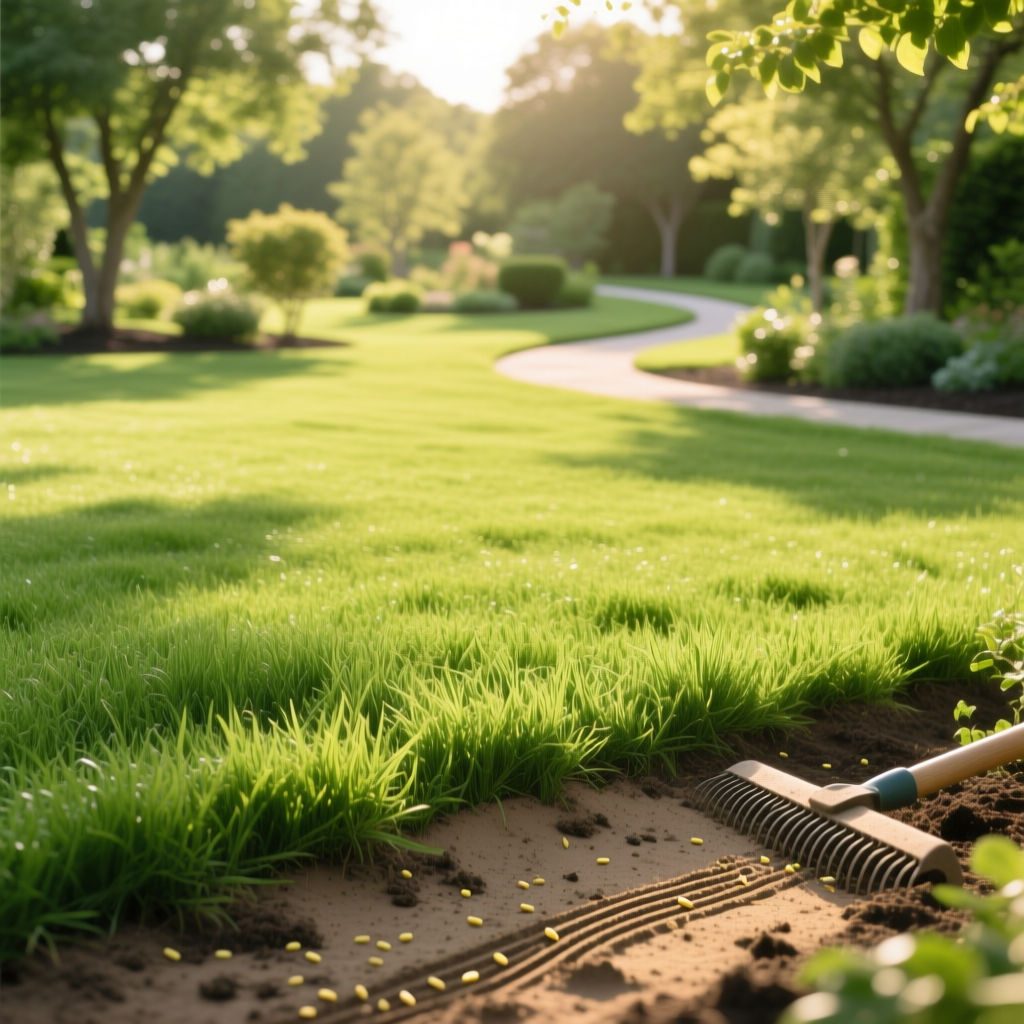
Transitioning an existing lawn requires preparation and patience. The most effective method is to smother or remove the existing turf using a non-selective herbicide or solarization with clear plastic sheeting. Once the old grass and weeds are dead, till the soil to a depth of four to six inches, incorporate organic compost, and grade the area for proper drainage. You can then establish your new low maintenance grass via seed, sod, or plugs. Zoysia and Bermuda are often planted via plugs, which take longer to fill in but are more cost-effective. Fine Fescue and Tall Fescue are typically established via broadcast seeding in the early fall.
Do low maintenance grasses still need fertilizer?
While they require significantly less than traditional turfgrasses, low maintenance grasses still benefit from occasional, targeted fertilization. The goal is to provide just enough nutrients to maintain health without triggering excessive, high-maintenance top growth. Centipede grass and Fine Fescue may only need a single, light application of nitrogen every year or two. Zoysia and Tall Fescue generally benefit from one or two applications of slow-release fertilizer annually. Always base your fertilization schedule on a comprehensive soil test to avoid applying unnecessary chemicals that can harm the environment and disrupt the natural balance of your lawn's ecosystem.