
Grass Types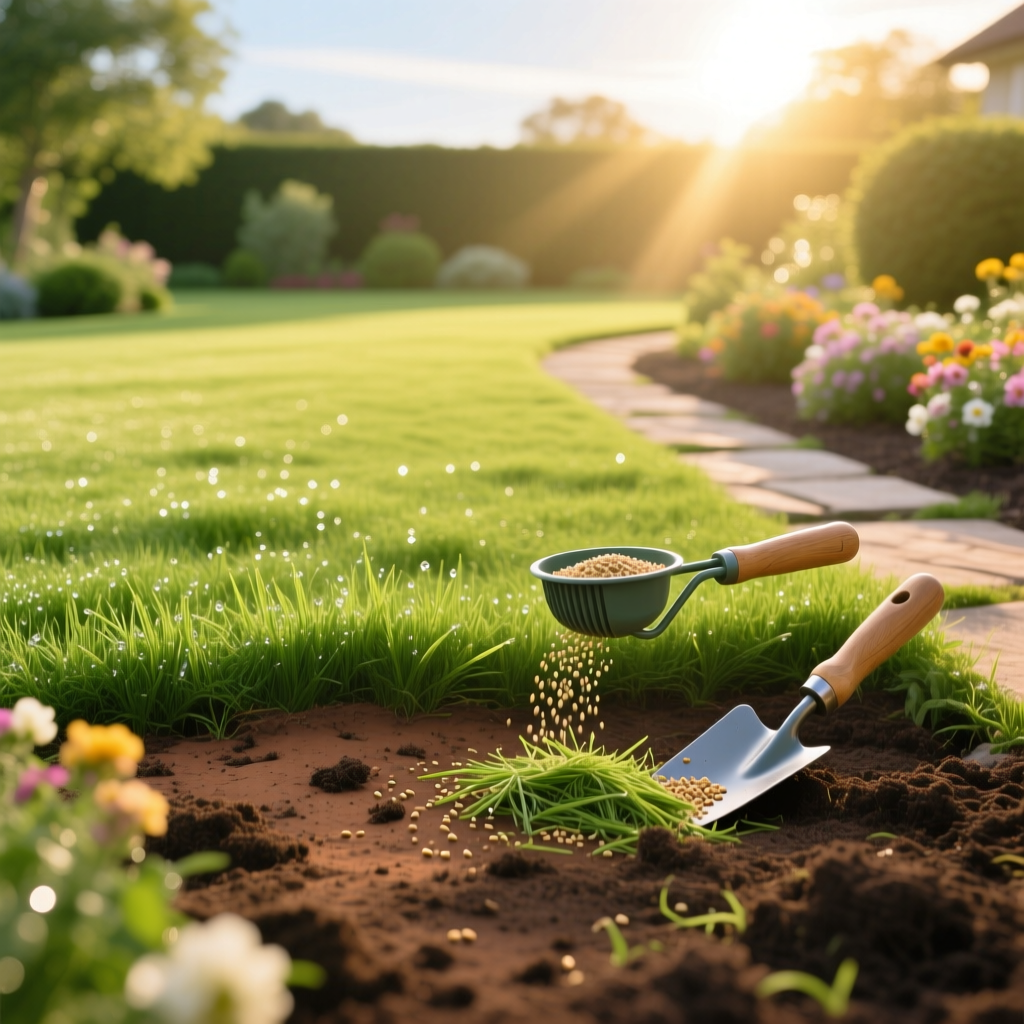
How to Plant Grass Seed in Clay Soil: A Complete Guide
Robert HayesPublished
Clay soil can feel like an impossible obstacle when you are trying to establish a beautiful lawn. Its dense, compacted texture resists water infiltration, suffocates roots, and makes seed germination a genuine challenge. However, with the right approach, you can absolutely grow thick, healthy grass in clay soil. The key lies in understanding your soil type, choosing the right grass varieties, and following a methodical planting process that addresses the unique challenges clay presents.
This comprehensive guide walks you through every step of planting grass seed in clay soil, from soil preparation and amendment strategies to seed selection and long-term maintenance. Whether you are starting a brand-new lawn or overseeding an existing one, these proven techniques will help you achieve the lush, green yard you have always wanted. For more general information about establishing a new lawn, check out our guide to starting a new lawn from seed.
Understanding Clay Soil & Its Challenges for Grass Growth
Before you drop a single seed, it is essential to understand what you are working with. Clay soil is composed of extremely fine mineral particles that pack tightly together, leaving very little space for air and water to move through. This composition creates a unique set of challenges that directly affect grass seed germination and root development.
Key Characteristics of Clay Soil
Clay soil has several defining traits that every homeowner should recognize:
- High water retention: Clay holds water much longer than sandy or loamy soils, which can lead to waterlogged conditions that drown grass seedlings and promote fungal diseases.
- Poor drainage: Water pools on the surface after rain because it cannot percolate quickly through the dense soil structure.
- Compaction tendency: Foot traffic, mowing, and even rainfall compress clay particles together, creating a hard surface that grass roots struggle to penetrate.
- Slow warming in spring: Dense clay soil takes longer to warm up in the spring compared to sandy soils, which can delay seed germination significantly.
- Nutrient richness: On the positive side, clay soil tends to hold nutrients well. The same dense structure that causes drainage problems also prevents nutrients from leaching away, meaning your grass has access to a rich mineral supply once roots become established.
- Alkaline pH tendency: Many clay soils lean toward alkaline pH levels, which can limit the availability of certain micronutrients like iron and manganese.
How to Identify Clay Soil
You can perform a simple ribbon test to confirm whether you have clay soil. Take a handful of moist soil and squeeze it between your thumb and forefinger, pushing it upward to form a ribbon. If the ribbon extends more than two inches before breaking, you have a high clay content. You can also observe how your soil behaves after rainfall. If puddles remain for hours or the ground stays soggy for days, clay is almost certainly the culprit.
For the most accurate results, invest in a professional soil test. Your local cooperative extension office can analyze your soil composition, pH level, and nutrient profile. This information becomes invaluable when you start amending the soil and selecting grass seed. Our soil testing guide explains the process in detail.
Best Grass Types for Clay Soil
Not every grass variety thrives in heavy clay. Some species have aggressive root systems that can penetrate compacted soil, while others simply rot in the moisture-retentive conditions clay creates. Choosing the right grass type is arguably the most critical decision you will make when planting in clay soil.
Cool-Season Grasses for Clay Soil
If you live in a northern or transitional climate zone, these cool-season grasses are your best options:
- Tall Fescue: This is widely considered the top choice for clay soil. Tall fescue develops deep, extensive root systems that can break through compacted layers. It tolerates both drought and occasional waterlogging, making it remarkably adaptable. Its coarse texture may not appeal to everyone, but modern turf-type tall fescue varieties offer a much finer blade. Learn more in our tall fescue grass guide.
- Kentucky Bluegrass: While it prefers well-drained loamy soil, Kentucky bluegrass can succeed in clay when the soil is properly amended. Its rhizomatous growth habit helps it spread and fill in bare patches. However, it requires more maintenance and is less tolerant of waterlogged conditions than tall fescue. Visit our Kentucky bluegrass page for a deeper look.
- Perennial Ryegrass: Often used in mixtures with tall fescue or Kentucky bluegrass, perennial ryegrass germinates quickly and provides erosion control while slower-growing species establish. It does not handle heavy clay as well on its own, but it serves as an excellent nurse grass.
- Fine Fescue: Certain fine fescue varieties, particularly hard fescue, can tolerate clay soil in shady areas where other grasses struggle. They require less fertilizer and water but are not as traffic-tolerant.
Warm-Season Grasses for Clay Soil
Homeowners in southern and transitional zones should consider these warm-season options:
- Bermudagrass: Bermudagrass is aggressively adaptive and tolerates heavy clay remarkably well. Its deep root system and rapid spreading habit make it ideal for erosion-prone clay slopes. It thrives in full sun and hot summers. Read our complete Bermudagrass guide for planting details.
- Zoysia Grass: Zoysia develops a dense, carpet-like turf that handles clay soil effectively once established. It grows more slowly than Bermudagrass but offers superior shade tolerance and a finer texture. Our Zoysia grass guide covers everything you need to know.
- Buffalograss: This native prairie grass tolerates heavy clay and requires minimal water and fertilizer once established. It is best suited to regions with low humidity and full sun exposure.
- Bahiagrass: Common in the Southeast, Bahiagrass has an extensive root system that penetrates clay soil effectively. It is drought-tolerant and low-maintenance, though its open growth habit may not produce the manicured look some homeowners prefer.
Grass Comparison Table for Clay Soil
| Grass Type | Climate Zone | Clay Tolerance | Drought Tolerance | Shade Tolerance | Maintenance Level |
|---|---|---|---|---|---|
| Tall Fescue | Cool-Season / Transitional | Excellent | Good | Moderate | Low to Moderate |
| Kentucky Bluegrass | Cool-Season | Moderate | Moderate | Low | High |
| Perennial Ryegrass | Cool-Season | Moderate | Low | Moderate | Moderate |
| Bermudagrass | Warm-Season | Excellent | Excellent | Low | Moderate to High |
| Zoysia Grass | Warm-Season / Transitional | Good | Excellent | Moderate | Low to Moderate |
| Buffalograss | Warm-Season | Good | Excellent | Low | Very Low |
| Bahiagrass | Warm-Season | Good | Excellent | Low | Low |
Step-by-Step Guide to Planting Grass Seed in Clay Soil
Now that you understand your soil and have selected the right grass type, it is time to prepare the ground and plant your seed. Follow these steps carefully to maximize your germination rate and establish a lawn that will thrive for years to come.
Step 1: Test & Amend Your Soil
Begin with a soil test to determine your pH and nutrient levels. Most grasses prefer a pH between 6.0 and 7.0. If your clay soil is too alkaline, you may need to apply elemental sulfur to lower the pH. If it is too acidic, pelletized lime can raise it. Apply amendments according to your soil test recommendations at least two to four weeks before planting.
The most important amendment for clay soil is organic matter. Compost is your best friend here. Spread a two to three-inch layer of compost over the entire planting area. Compost improves soil structure by creating pore spaces between clay particles, enhancing drainage, and introducing beneficial microorganisms. Well-rotted manure, leaf mold, and peat moss are also excellent organic amendments.
Step 2: Till & Aerate the Soil
Use a rototiller or garden fork to work the compost into the top six to eight inches of soil. This is the most labor-intensive step, but it is absolutely essential. Tilling breaks up compacted clay layers and distributes organic matter throughout the root zone where it can do the most good.
Avoid tilling when the soil is wet. Working wet clay soil creates hard clumps that are nearly impossible to break apart once they dry. Wait until the soil is moist but crumbly. A good rule of thumb is to squeeze a handful of soil into a ball. If it crumbles easily when you poke it, the moisture level is right for tilling. If it stays in a tight, sticky ball, wait a few more days for it to dry.
Step 3: Level & Grade the Surface
After tilling, use a landscaping rake to level the surface. Remove rocks, roots, and large clumps of clay. Create a gentle slope away from your home's foundation to promote proper drainage. The final grade should be smooth and firm but not compacted. You can lightly roll the area with a lawn roller filled one-third with water to create a firm seedbed without compressing the soil excessively.
Step 4: Sow the Grass Seed
Use a broadcast spreader or drop spreader to apply grass seed evenly across the prepared soil. Follow the seeding rate recommended on the seed bag, which is typically three to five pounds per 1,000 square feet for tall fescue and one to two pounds per 1,000 square feet for Kentucky bluegrass. For best coverage, sow half the seed in one direction and the other half perpendicular to the first pass.
After spreading the seed, lightly rake the surface to ensure seed-to-soil contact. Grass seed should be covered with no more than one-quarter inch of soil. In clay soil, this light covering is critical because seeds left on the surface will dry out quickly, while seeds buried too deeply will struggle to emerge through the dense soil.
Step 5: Apply Starter Fertilizer & Mulch
Apply a starter fertilizer that is high in phosphorus to encourage strong root development. Look for a formulation with an N-P-K ratio like 10-18-10 or similar. Spread it evenly over the seeded area using your spreader.
Cover the seeded area with a thin layer of straw mulch or a specialized erosion control blanket. Mulch serves multiple purposes in clay soil planting: it retains moisture during germination, protects seeds from being washed away by rain, and helps regulate soil temperature. Avoid using hay, which often contains weed seeds that will compete with your new grass.
Step 6: Water Properly During Germination
Watering is where many clay soil lawn projects succeed or fail. Clay retains moisture well, so you need to water frequently but lightly during germination to keep the top inch of soil consistently moist without creating puddles. Water two to three times per day for short durations during the first two weeks. As seedlings emerge and develop roots, gradually reduce frequency while increasing the amount of water per session to encourage deeper root growth.
For a comprehensive watering schedule that adapts as your lawn matures, see our lawn watering guide.
Ongoing Maintenance for Lawns in Clay Soil
Establishing grass in clay soil is only the beginning. Long-term success requires maintenance practices specifically tailored to the challenges of heavy soil. A consistent care routine will prevent compaction, promote deep rooting, and keep your lawn looking its best year after year.
Core Aeration
Core aeration is the single most important maintenance practice for clay soil lawns. Aeration removes small plugs of soil from the lawn, creating channels for air, water, and nutrients to reach the root zone. Plan to aerate your clay soil lawn at least once per year, ideally during the active growing season for your grass type. Cool-season grasses should be aerated in early fall, while warm-season grasses benefit from spring or early summer aeration. Visit our lawn aeration guide for detailed instructions.
Top-Dressing with Compost
After aerating, spread a thin layer of compost over the lawn as a top-dressing. The compost will work its way into the aeration holes and continue improving soil structure over time. Apply approximately one-quarter to one-half inch of screened compost and brush it into the turf with the back of a rake. Annual top-dressing gradually transforms heavy clay into a more loamy, grass-friendly soil.
Mowing Practices
Mow your clay soil lawn at the taller end of the recommended height range for your grass type. Taller grass develops deeper roots, which is essential for penetrating compacted clay. For tall fescue, maintain a height of three to four inches. For Bermudagrass, keep it at one to two inches. Never remove more than one-third of the blade in a single mowing session, and keep your mower blades sharp to create clean cuts that heal quickly. Our mowing tips guide covers best practices in detail.
Fertilization Strategy
Clay soil retains nutrients well, so you may need less fertilizer than lawns growing in sandy soil. However, regular soil testing every two to three years will tell you exactly what your lawn needs. Use slow-release granular fertilizers to provide steady nutrition without overwhelming the soil. Over-fertilizing clay soil can lead to salt buildup, which damages roots and degrades soil structure over time. Check our fertilizing guide for seasonal application schedules.
Overseeding to Maintain Density
Clay soil lawns may thin out over time due to compaction and seasonal stress. Overseeding every one to two years helps maintain a thick, dense turf that crowds out weeds and resists erosion. The best time to overseed cool-season lawns is early fall, while warm-season lawns should be overseeded in late spring to early summer. Before overseeding, always aerate first to ensure the new seed has direct contact with the soil. For more details, read our overseeding guide.
Weed & Pest Management
A thick, healthy lawn is the best defense against weeds. However, clay soil lawns can be susceptible to certain weeds like plantain and chickweed that thrive in compacted conditions. Use pre-emergent herbicides in spring to prevent weed seeds from germinating, and spot-treat any weeds that appear with targeted post-emergent applications. Avoid broad-spectrum herbicides that can harm your grass, and always follow label instructions carefully.
Pros & Cons of Growing Grass in Clay Soil
Understanding both the advantages and disadvantages of clay soil helps you set realistic expectations and develop strategies to work with your soil rather than against it.
Advantages
- Excellent nutrient retention: Clay particles have a high cation exchange capacity, meaning they hold onto essential nutrients like potassium, calcium, and magnesium, making them available to grass roots over extended periods.
- Strong anchorage for roots: Once grass roots penetrate clay soil, they are held firmly in place. This makes established lawns highly resistant to drought stress and traffic damage.
- Reduced watering needs over time: Once your lawn is established, the moisture-retentive nature of clay means you can go longer between waterings compared to sandy soils.
- Less fertilizer required: Because nutrients do not leach quickly from clay soil, you typically need fewer fertilizer applications per year.
Disadvantages
- Difficult establishment: The initial planting process is more labor-intensive and requires careful soil preparation.
- Compaction problems: Regular aeration is essential, adding a maintenance step that sandy soil lawns may not require as frequently.
- Drainage issues: Standing water after heavy rain can drown young seedlings and promote fungal diseases like brown patch and Pythium blight.
- Slow spring green-up: Clay soil warms slowly, so your lawn may be the last on the block to turn green in spring.
- Surface crusting: Bare clay soil can form a hard crust when it dries, which physically blocks emerging seedlings.
Frequently Asked Questions About Planting Grass Seed in Clay Soil
Can I plant grass seed directly on clay soil without amending it?
Technically, you can scatter grass seed on unamended clay soil, but the results will almost certainly be disappointing. Seeds may germinate, but the seedlings will struggle to develop roots in compacted clay, and many will die within the first few weeks. Surface crusting can prevent emergence entirely, and poor drainage can drown young plants. Investing time in soil preparation with compost and tillage dramatically improves your success rate and produces a lawn that will be healthier and more resilient for decades. Think of soil preparation as a long-term investment rather than a one-time expense.
How long does it take for grass seed to germinate in clay soil?
Germination times in clay soil are generally the same as in other soil types, provided the soil temperature and moisture are adequate. Tall fescue typically germinates in seven to twelve days, Kentucky bluegrass takes fourteen to thirty days, and Bermudagrass emerges in ten to twenty-one days. However, clay soil can slow germination slightly because it warms more slowly in spring and may form a surface crust that impedes emergence. Keeping the soil consistently moist and lightly mulched will help seeds germinate on schedule. If you are unsure which grass type to choose, our grass type comparison guide can help you decide.
Should I add sand to clay soil to improve drainage before planting grass?
This is one of the most common misconceptions in lawn care. Adding sand to clay soil without adding sufficient organic matter can actually make the problem worse. The fine clay particles fill the spaces between sand grains, creating a concrete-like substance that is even harder and more compacted than the original clay. If you want to use sand as an amendment, you must add it in very large quantities (roughly fifty percent of the total soil volume) along with generous amounts of organic matter. For most homeowners, focusing on compost and organic amendments is a far more practical and effective approach to improving clay soil drainage.
What is the best time of year to plant grass seed in clay soil?
Timing is especially important with clay soil because it warms slowly and stays wet longer than other soil types. For cool-season grasses like tall fescue and Kentucky bluegrass, early fall is the ideal planting window. The soil is still warm from summer, air temperatures are cooling, and autumn rains help keep the seedbed moist without the waterlogging that spring rains can cause. For warm-season grasses like Bermudagrass and Zoysia, late spring to early summer is best, when soil temperatures have consistently reached sixty-five degrees Fahrenheit or above. Avoid planting in clay soil during periods of heavy rainfall, as working wet clay destroys its structure and creates compaction problems that persist for years.
How often should I aerate a lawn growing in clay soil?
Lawns in clay soil benefit from core aeration at least once per year, and heavily trafficked areas may need aeration twice per year. The best time to aerate cool-season grass lawns is early fall, which coincides with the ideal overseeding window. Warm-season lawns should be aerated in late spring or early summer during their peak growth period. Each aeration session removes thousands of small soil plugs, creating pathways for water, air, and nutrients to penetrate the compacted clay. Leave the plugs on the lawn to break down naturally, as they contain beneficial microorganisms that help decompose thatch and improve soil biology. Pairing aeration with top-dressing accelerates soil improvement and produces visible results within a single growing season.
Planting grass seed in clay soil is undeniably more demanding than working with loamy or sandy soil, but the rewards are well worth the effort. By choosing the right grass variety, investing in thorough soil preparation, and committing to a maintenance routine that includes regular aeration and top-dressing, you can transform even the heaviest clay into the foundation for a beautiful, thriving lawn. Start with a soil test, follow the steps outlined in this guide, and be patient. Your clay soil lawn will reward your diligence with deep roots, rich color, and resilience that lasts for years to come.

