
Grass Types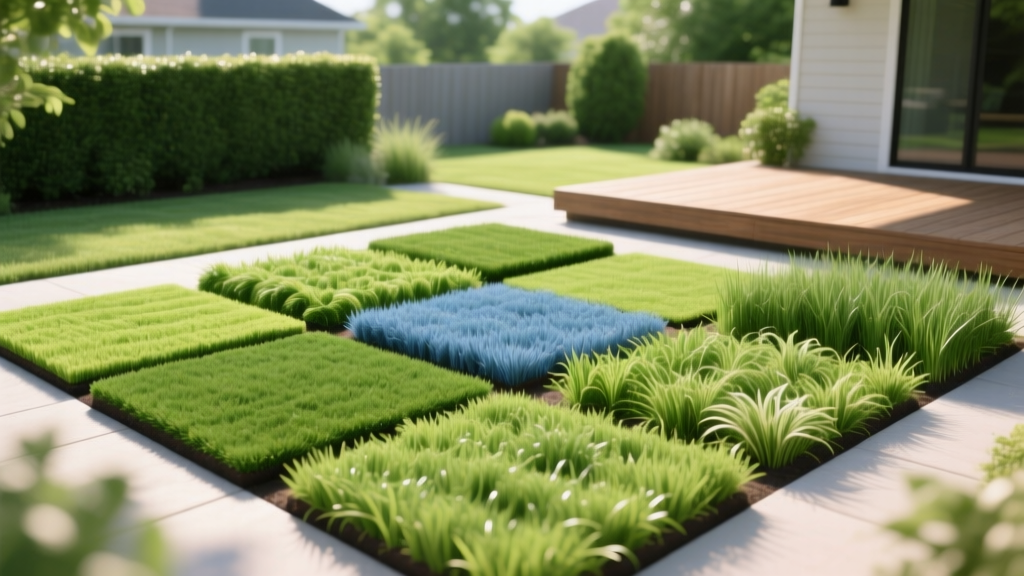
Lawn Sod Cost in 2026: Price Per Pallet, Sq Ft & Installation
Most homeowners budget solely for the grass itself, only to be blindsided by the extensive site preparation required to keep it alive. When calculating your total lawn sod cost, the material is often the cheapest line item on the invoice. In 2026, the national average for a fully installed sod lawn ranges from $1.05 to $2.50 per square foot, but this fluctuates wildly based on regional labor rates, soil conditions, and the specific cultivar you select.
2026 National Sod Pricing Snapshot
- Materials Only: $0.35 – $0.85 per sq. ft.
- Fully Installed (Labor + Materials): $1.05 – $2.50 per sq. ft.
- Average Pallet (450 sq. ft.): $150 – $380 (materials only)
- Old Lawn Removal: $0.15 – $0.25 per sq. ft.
The True Lawn Sod Cost: Square Foot vs. Pallet Breakdown
Sod is sold by the square foot, but it is delivered and priced by the pallet. Understanding the conversion is critical to avoid over-ordering or facing emergency delivery fees. A standard pallet of sod covers between 400 and 500 square feet, depending on the farm's cutting equipment and the thickness of the soil layer left on the roots.
Warm-season grasses like Bermuda and Zoysia are typically harvested slightly thinner and cut into smaller rolls or slabs, while cool-season grasses like Kentucky Bluegrass are often harvested in massive, heavy rolls. According to HomeGuide's 2026 landscaping data, material costs vary significantly based on the drought tolerance and shade resistance of the cultivar.
| Grass Cultivar | Season | Price per Sq. Ft. (Material) | Price per Pallet (450 sq. ft.) |
|---|---|---|---|
| Tifway 419 Bermuda | Warm | $0.35 – $0.55 | $155 – $245 |
| Zeon / Emerald Zoysia | Warm | $0.55 – $0.85 | $245 – $380 |
| Palmetto St. Augustine | Warm | $0.45 – $0.70 | $200 – $315 |
| Kentucky Bluegrass | Cool | $0.35 – $0.60 | $155 – $270 |
| Tall Fescue Blend | Cool | $0.40 – $0.65 | $180 – $290 |
Professional Installation vs. DIY: Where the Money Goes
Labor accounts for 60% to 70% of a professional sod installation quote. Professional crews charge between $0.70 and $1.65 per square foot just for the physical laying of the grass. However, this labor rate assumes the site is already perfectly graded and cleared.
If you opt for a DIY approach, you will save roughly $1,500 to $3,000 on an average 5,000-square-foot lawn. The trade-off is the physical toll and the narrow time window. Sod must be laid within 12 to 24 hours of delivery to prevent the roots from drying out and suffering from "pallet burn"—a condition where the center of the rolled sod overheats and dies before it ever touches your soil.
Hidden Fees & Site Prep Variables That Inflate Your Quote
The most common reason landscaping bids exceed initial estimates is site preparation. According to Angi's landscaping cost guides, failing to account for the existing terrain can double your final invoice. Here are the specific line items you must budget for:
- Old Lawn Demolition & Haul-Away: Removing existing dead grass or weeds costs $0.15 to $0.25 per square foot. For a 5,000 sq. ft. yard, expect to pay $750 to $1,250 just for tear-out and dump fees.
- Rototilling & Grading: The soil must be tilled to a depth of 4 to 6 inches to break up compaction. Professional grading to ensure a 2% slope away from your foundation adds $0.50 to $1.00 per square foot.
- Topsoil & Amendments: Sod farms harvest grass with only 1/2 inch of soil attached. You will need to add 1 to 2 inches of screened topsoil. At $35 to $50 per cubic yard delivered, a 5,000 sq. ft. lawn requires roughly 15 to 20 cubic yards, adding $500 to $1,000 to the project.
- Starter Fertilizer: A high-phosphorus starter fertilizer (e.g., 10-18-10 NPK ratio) is mandatory for root establishment, costing about $0.05 per square foot.
Warning: Big Box Store Sod vs. Local Sod Farms
Never buy sod from large home improvement centers if you want a guaranteed establishment. Big box store pallets often sit on concrete for 3 to 5 days, severing the roots from moisture and initiating decomposition. Always order directly from a regional sod farm where the grass is harvested the same morning it is loaded onto the delivery truck.
Grass Type Selection Matrix for Budget-Conscious Buyers
When evaluating the lawn sod cost, you must look beyond the initial purchase price and calculate the 5-year maintenance ROI. Premium grasses cost more upfront but drastically reduce long-term water and chemical expenses.
| Cultivar | Upfront Cost | Water Requirement | Mowing Frequency | 5-Year ROI Verdict |
|---|---|---|---|---|
| Zeon Zoysia | High | Very Low | Low (Bi-weekly) | Excellent (Pays for itself in water savings) |
| Tifway 419 Bermuda | Low | Moderate | High (Weekly) | Good (Low upfront, high mowing labor) |
| Tall Fescue | Moderate | High | Moderate | Poor in hot climates (High irrigation costs) |
5 Actionable Strategies to Lower Your Final Invoice
If you are managing a strict landscaping budget, use these tactical adjustments to reduce your overall expenditure without sacrificing turf quality:
- Order 5% to 7% Overage, Not 10%: While standard advice suggests ordering 10% extra for cuts and curves, modern laser measuring tools allow for precise calculations. Order exactly what you need plus a 5% buffer for waste. Sod cannot be returned.
- Handle the Demolition Yourself: Renting a walk-behind sod cutter for $120 a day and spending a weekend removing the old lawn will save you upwards of $1,000 in contractor labor fees.
- Schedule for the Shoulder Season: Landscapers are heavily booked in late spring. Schedule your installation for early fall (for cool-season grasses) or late winter (for warm-season grasses) when contractors are desperate for jobs and willing to negotiate labor rates.
- Use Municipal Compost: Many city waste management facilities offer screened leaf compost for free or at a nominal fee ($10 per cubic yard) compared to $40+ for private topsoil deliveries.
- Consolidate Delivery Drops: Sod farms charge $150 to $300 per delivery. If you are doing a multi-phase project, ensure all materials (sod, topsoil, fertilizer) are delivered on the same flatbed truck to avoid duplicate freight charges.

