
Grass Types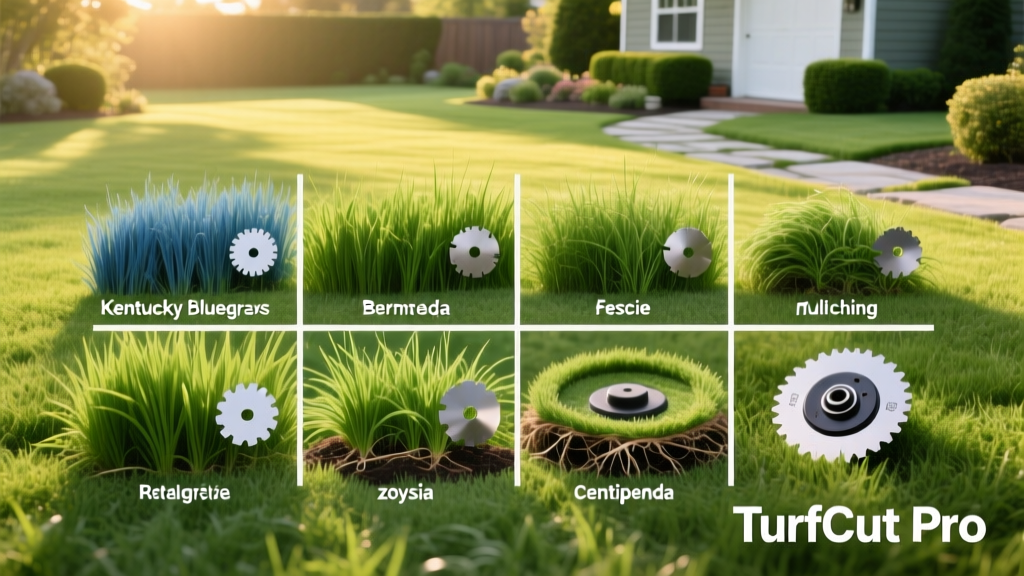
Manual Turf Cutter Guide: Matching Blades to Grass Types
The Hidden Complexity of Manual Turf Cutting
Most homeowners treat grass as a uniform green carpet, assuming any shovel or edger will work for sod removal, transplanting, or trenching. From an agronomic perspective, this is a critical error. Turfgrass species possess vastly different root architectures, rhizome densities, and tensile strengths. Slicing through the wire-like, interlocking rhizomes of Zoysia requires a completely different blade geometry and steel hardness than gliding through the fibrous, softer root mat of Kentucky Bluegrass.
Selecting the right manual turf cutter—whether a half-moon edger, a straight sod knife, or a V-notch kick-plow—is not just about ergonomics; it is about matching the tool's metallurgy and bevel angle to the specific biological structure of your lawn. Using the wrong tool leads to torn root systems, excessive soil compaction, and rapid blade degradation.
Blade Metallurgy and Geometry: What the Steel Tells You
Before matching a tool to a grass cultivar, you must understand the two primary steel types used in premium manual turf cutters on the market today:
- High-Carbon Steel (e.g., 1055 or 1095 carbon): Exceptionally tough and capable of taking a razor-sharp edge. Ideal for slicing through soft, fibrous roots. However, it is highly susceptible to rust and requires immediate cleaning and oiling after use.
- 420 Stainless Steel: Highly resistant to corrosion and soil acids. It holds an edge reasonably well but is harder to sharpen in the field. Best for wet soils and aggressive, abrasive root systems where high-carbon steel would quickly pit and degrade.
Agronomic Insight: The cutting angle (bevel) matters just as much as the steel. A 15-degree bevel provides a razor edge for clean cuts in cool-season grasses, while a 25-degree bevel provides the structural durability needed to chop through warm-season rhizomes without chipping the blade.
Matching Turf Cutters to Grass Cultivars
The NC State TurfFiles database categorizes grasses by their growth habits, which directly dictate the physical force required to sever them. Below is a decision matrix for matching your manual turf cutter to your specific lawn species.
| Grass Species | Root/Rhizome Structure | Recommended Cutter Style | Optimal Blade Angle & Depth |
|---|---|---|---|
| Bermudagrass | Dense, wire-like rhizomes and stolons | Serrated Half-Moon or Heavy Kick-Plow | 25° bevel, 3-4 inch depth |
| Zoysiagrass | Thick, interlocking rhizome mat; high thatch | V-Notch Sod Knife or Straight Edger | 20° bevel, 2-3 inch depth |
| Kentucky Bluegrass | Fibrous, shallow rhizomes; soft root mat | Smooth Half-Moon or 4-inch Sod Knife | 15° bevel, 2-3 inch depth |
| Tall Fescue | Deep, bunch-type fibrous roots (no rhizomes) | Long-Blade Straight Sod Knife | 15° bevel, 4-6 inch depth |
| Centipedegrass | Shallow stolons, minimal deep rooting | Standard Half-Moon Edger | 20° bevel, 1.5-2 inch depth |
Tackling Warm-Season Grasses: The Rhizome Barrier
Warm-season grasses like Bermudagrass and Zoysiagrass spread via aggressive rhizomes (underground) and stolons (above ground). According to turf management data from the Penn State Extension Turfgrass Program, these structures are highly lignified and possess immense tensile strength. When cutting Bermudagrass sod, a smooth blade will often slide off the tough rhizomes, causing you to lose balance or tear the sod unevenly.
For these species, select a manual turf cutter with a serrated edge or a heavy-duty V-notch design. The serrations grip the rhizomes, allowing a push-and-slice motion rather than requiring brute chopping force. When harvesting Zoysia, cut no deeper than 2.5 inches; going deeper merely engages the subsoil clay, creating unnecessary friction and muddying the sod roll.
Cool-Season Grasses: Precision in the Fibrous Mat
Cool-season grasses such as Kentucky Bluegrass (KBG) and Tall Fescue rely on dense, fibrous root systems. KBG spreads via relatively soft, shallow rhizomes, while Tall Fescue is a bunch-type grass with roots that can extend over 12 inches deep, though the sod mat is usually contained in the top 4 inches.
For these lawns, a smooth, highly polished 420 stainless steel sod knife or a traditional half-moon edger is superior. The goal is a clean, surgical slice that prevents fraying the fibrous roots, which can lead to transplant shock or desiccation if you are moving the sod. A 15-degree bevel angle will glide through the KBG root mat with minimal soil disturbance.
Equipment Maintenance: Preventing Edge Roll and Corrosion
A manual turf cutter is only as effective as its edge. Soil is highly abrasive, containing silica and quartz particles that will quickly roll a fine edge and dull the blade. Furthermore, sap from roots and organic acids in the soil accelerate oxidation in high-carbon tools.
Warning: Soil Moisture and Blade Drag
Never attempt to cut sod manually when the soil volumetric water content exceeds 30%. Saturated soil creates a suction effect against the flat of the blade, increasing the physical force required by up to 40% and causing severe soil compaction along the cut line. Wait until the soil is moist but friable (crumbles easily in your hand).
Never attempt to cut sod manually when the soil volumetric water content exceeds 30%. Saturated soil creates a suction effect against the flat of the blade, increasing the physical force required by up to 40% and causing severe soil compaction along the cut line. Wait until the soil is moist but friable (crumbles easily in your hand).
The 3-Step Field Sharpening Protocol
- Clean and Degrease: Scrub the blade with a stiff nylon brush and water to remove soil. Wipe down with a solvent to remove plant sap, which hardens into a resin that clogs sharpening stones.
- Re-establish the Bevel: Use a 400-grit diamond or oil whetstone. For cool-season grass tools, maintain a strict 15-to-20-degree angle. For warm-season heavy-duty cutters, use a 25-degree angle to prevent micro-chipping when hitting hidden rhizomes.
- Hone and Protect: Strop the edge with a leather strop or 1000-grit stone to remove the wire burr. Immediately coat high-carbon steel blades with a micro-thin layer of camellia oil or food-grade mineral oil to prevent flash rusting.
2026 Market Roundup: Top Manual Turf Cutters by Application
Based on current market availability and metallurgical quality, here are three specific manual turf cutters tailored to different grass management needs:
- Leonard 4-Inch Stainless Steel Sod Knife (Approx. $48): Features a polished 420 stainless steel blade with a serrated back edge for sawing through tough roots. The narrow profile is perfect for precision transplanting in Kentucky Bluegrass and Tall Fescue lawns without destroying surrounding turf.
- Bully Tools 12-Inch Half Moon Edger (Approx. $38): Forged from high-carbon steel with a thick 25-degree bevel. The wide footprint distributes force evenly, making it the premier choice for trenching and cutting borders in aggressive Bermudagrass and Zoysiagrass landscapes.
- Truper 33410 Half Moon Edger (Approx. $25): A budget-friendly, high-carbon steel option. While it requires diligent oiling to prevent rust, it takes an exceptionally sharp edge, making it highly effective for soft-soil cool-season grasses where budget is a primary constraint.
Quick Decision Matrix
Stop guessing and start matching your tool to your turf. Use this rapid framework before your next landscaping project:
- If you have Bermudagrass/Zoysia: Buy a serrated, high-carbon half-moon or V-notch knife. Sharpen at 25°. Expect heavy resistance.
- If you have KBG/Ryegrass/Fescue: Buy a smooth, stainless steel straight sod knife. Sharpen at 15°. Focus on clean, surgical slices.
- If you are harvesting sod for transplant: Always cut 0.5 inches shallower than the maximum root depth to leave the deepest anchor roots intact for faster re-establishment in the new location.

