Grass Types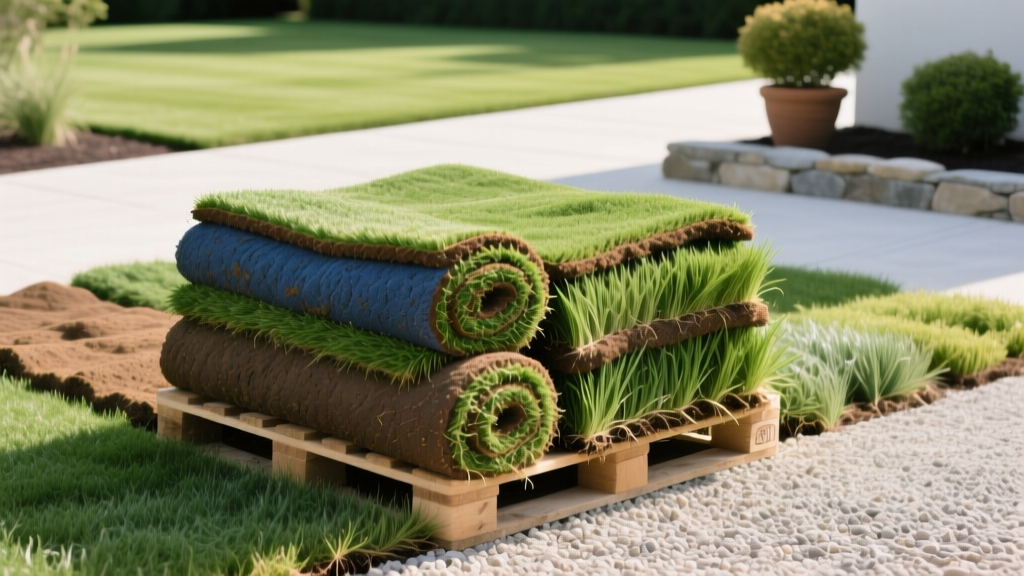
Pallet of Sod Sq Ft: Exact Coverage, Weight, and Costs
The Short Answer: How Many Square Feet in a Pallet of Sod?
When ordering turf for a new lawn, calculating the exact coverage is critical to avoid overpaying or running short mid-installation. A standard full pallet of sod typically covers 450 square feet (which equals exactly 50 square yards). However, depending on the turf farm, regional practices, and the specific grass species, a pallet of sod sq ft coverage can range from 400 to 500 square feet.
Quick Coverage Reference
- Standard Full Pallet: 450 sq ft (50 sq yards)
- Mini-Pallet / Half Pallet: 225 sq ft (25 sq yards)
- Standard Piece Size: 16 inches by 24 inches (covers 2.66 sq ft per piece)
- Pieces per Standard Pallet: ~168 pieces
The variation in coverage is rarely arbitrary; it is heavily dictated by weight restrictions and the moisture content of the soil at the time of harvest. Understanding these variables will prevent severe logistical issues when the delivery truck arrives at your property.
Sod Pallet Dimensions, Weight, and Grass Variations
The physical footprint of a pallet is standardized to fit on commercial flatbed trucks and forklifts, usually measuring 48 x 48 inches or 40 x 48 inches. The height of the stack varies based on the grass type and how thick the sod is cut. According to the Turfgrass Producers International, harvest thickness and soil composition directly dictate how many layers a farm can safely stack without crushing the bottom layers or exceeding forklift weight limits.
| Grass Type | Typical Pallet Sq Ft | Piece Dimensions | Estimated Pallet Weight |
|---|---|---|---|
| St. Augustine | 450 sq ft | 16" x 24" | 2,500 - 3,000 lbs |
| Bermuda (Hybrid) | 400 - 450 sq ft | 16" x 24" or Rolls | 1,800 - 2,200 lbs |
| Zoysia | 400 - 450 sq ft | 16" x 24" | 2,000 - 2,500 lbs |
| Kentucky Bluegrass | 450 - 500 sq ft | 16" x 24" or Large Rolls | 1,500 - 2,000 lbs |
| Tall Fescue | 450 - 500 sq ft | 16" x 24" | 1,500 - 2,000 lbs |
Notice the weight variance. St. Augustine is typically harvested with a thicker soil profile and retains more moisture, making it significantly heavier. Cool-season grasses like Fescue and Bluegrass are often cut thinner and feature lighter, sandier loam profiles in northern farms, allowing for higher square footage per pallet without exceeding the 2,500-pound safety limit of standard pallet jacks.
Calculating Your Order: The 10% Overrun Rule
When determining how many pallets to order based on the pallet of sod sq ft coverage, never order the exact square footage of your lot. Turf installation requires cutting and shaping around tree rings, curved garden beds, and property lines. According to NC State University TurfFiles, failing to account for waste leads to mid-project delays, and subsequent pallet deliveries rarely match the exact harvest batch, resulting in visible color and texture discrepancies in your finished lawn.
The Calculation Formula
- Measure Total Area: Calculate the length x width of all rectangular zones.
- Calculate Irregular Zones: For circles (tree beds) or triangles (corners), use standard geometric formulas and subtract these from the total.
- Add the 10% Overrun: Multiply your final net square footage by 1.10.
- Divide by Pallet Coverage: Divide the total by 450 (or the specific sq ft confirmed by your supplier) and round up to the next whole pallet.
Example Scenario: Your yard measures 4,200 sq ft. Multiply by 1.10 = 4,620 sq ft needed. Divide by 450 sq ft per pallet = 10.26. You must order 11 full pallets (4,950 sq ft total) to ensure complete coverage and allow for cutting waste.
Cost Breakdown: Pallet Pricing vs. Seed Establishment
Homeowners frequently debate between sod and seed. While seed is vastly cheaper upfront, the establishment timeline, water usage, and weed control costs narrow the gap over the first 12 months. Below is a comparative matrix for establishing a 5,000 sq ft lawn.
| Cost Factor | Sod Installation (5,000 sq ft) | Seed Establishment (5,000 sq ft) |
|---|---|---|
| Material Cost | $1,750 - $3,000 (12 pallets) | $250 - $500 (Premium seed) |
| Delivery / Equipment | $150 - $300 (Freight & Bobcat) | $75 (Spreader rental) |
| Soil Amendment | $300 (Topdressing & Tilling) | $400 (Compost & Starter Fert) |
| Watering (First 60 Days) | $150 - $250 (High volume) | $200 - $350 (Constant moisture) |
| Weed Control / Straw | $50 (Spot treatment) | $150 (Straw blankets & pre-emergents) |
| Estimated Total | $2,400 - $3,900 | $1,125 - $1,450 |
Sod provides an instant, weed-free lawn that can withstand foot traffic within 3 to 4 weeks. Seed requires 8 to 12 weeks of careful nurturing, strict watering schedules, and carries a high risk of washout during heavy rains. For steep slopes or areas prone to erosion, sod is the only viable option, as noted by the University of California Agriculture and Natural Resources IPM guidelines for lawn establishment.
Logistics: Driveway Weight Limits and Placement
A critical failure mode in DIY sod installation is ignoring the delivery logistics. A fully loaded pallet of St. Augustine weighing 3,000 lbs concentrated on a 40x48 inch footprint exerts immense pressure. Standard residential concrete driveways are poured at 4 inches thick with a compressive strength of 2,500 to 3,000 PSI. While they can support a delivery truck, dropping multiple 3,000 lb pallets directly onto a residential driveway can cause stress fractures, especially if the sub-base is compromised.
Delivery Placement Options
- Curbside Delivery (Cheapest): The truck drops the pallets at the street. You must rent a skid steer or manually break down the pallets and transport them via wheelbarrow. Be warned: a single wheelbarrow load of sod weighs up to 150 lbs.
- Driveway Drop (Standard): The driver uses the truck's piggyback forklift to place pallets on your driveway. Ensure the truck driver places plywood under the forks to distribute the point-load weight and prevent concrete cracking.
- Yard Placement (Premium): Requires a track loader (Bobcat) to drive the pallets directly onto the soil. This is highly recommended if you have side-yard access (minimum 6 feet wide) and saves hours of grueling manual labor.
Site Preparation and the 30-Minute Installation Rule
Sod is a living, perishable product. Once it is harvested and stacked on a pallet, the grass in the center of the stack begins to generate heat due to biological respiration. If left on the pallet in direct summer sun, the center of the sod will literally cook itself and turn yellow within 24 hours.
Critical Warning: The 30-Minute Watering Window
During temperatures above 80°F (27°C), you must begin watering the sod within 30 minutes of laying it on the soil. Do not wait until the entire yard is laid. Work in zones: lay 500 sq ft, turn on the sprinklers for that zone, and immediately begin laying the next zone.
Step-by-Step Soil Preparation
- Kill Existing Vegetation: Apply a non-selective glyphosate herbicide 14 days prior to installation. Tilling live weeds into the soil will result in severe infestations of nutsedge and bermudagrass creeping through your new sod seams.
- Rototill to 4-6 Inches: Break up soil compaction. If your soil is heavy clay, incorporate 2 cubic yards of organic compost per 1,000 sq ft to improve drainage and root penetration.
- Grade and Slope: Rake the soil to create a 1% to 2% slope away from your home's foundation. Use a lawn roller (filled halfway with water) to firm the soil. This prevents footprints from forming when you walk on it to lay the sod.
- Apply Starter Fertilizer: Broadcast a high-phosphorus starter fertilizer (e.g., 10-18-10) immediately before laying the sod to promote rapid root knit.
Frequently Asked Questions
Can I buy a partial pallet of sod?
Most wholesale turf farms only sell full pallets to maintain inventory efficiency. However, local home improvement centers and landscape supply yards frequently break down pallets and sell sod by the individual piece (usually $3.50 to $6.00 per piece) or by half-pallets. If you only need 200 sq ft, expect to pay a premium per square foot at a retail garden center rather than ordering direct from a farm.
How long does it take for sod to root into the soil?
In optimal spring or early fall temperatures (65°F to 80°F), shallow rooting occurs within 10 to 14 days. Deep, structural root establishment takes 4 to 6 weeks. You can test the root knit by gently pulling upward on a corner of the sod; if you feel resistance from the soil, the roots have penetrated successfully. Do not mow the lawn until this resistance is confirmed, and never set your mower blade below 2.5 inches for the first three cuts.
Why did my sod shrink and leave gaps between the pieces?
Shrinkage is caused by inadequate watering. Sod is harvested with a high moisture content. If it dries out after installation, the soil base contracts, pulling the pieces apart and leaving visible seams. To prevent this, water heavily enough during the first two weeks that the soil beneath the sod remains consistently moist to a depth of 4 inches. If gaps do appear, top-dress the seams with a 50/50 mix of topsoil and sand to encourage lateral stolon growth to fill the voids.