
Grass Types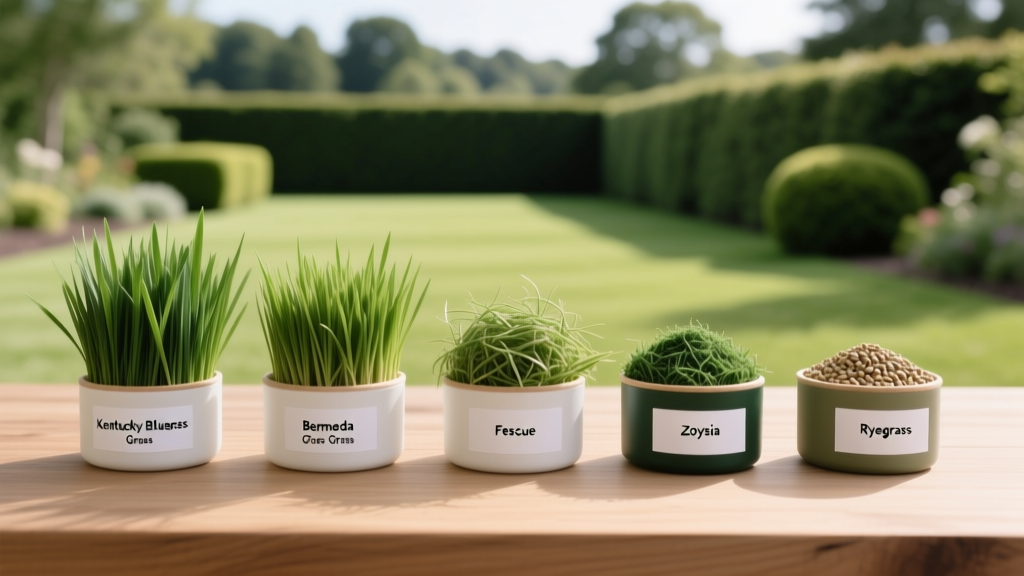
How to Identify High Quality Grass Seeds: Purity and Cultivar Guides
Purchasing grass seed is an investment in your property's long-term ecological and aesthetic foundation. A $40 bag of substandard seed routinely triggers a cascade of hidden costs, including excessive water usage, repeated fungicide applications, and complete lawn renovations within two years. Identifying high quality grass seeds requires moving beyond front-of-bag marketing claims and analyzing the legally mandated seed tag, understanding cultivar genetics, and evaluating seed coating technologies.
Decoding the Seed Tag: Your Blueprint for Quality
Every commercial grass seed sold in the United States must include a certification tag detailing its exact biological composition. This tag is the single most reliable indicator of seed quality. To evaluate high quality grass seeds, you must scrutinize three specific metrics: pure seed percentage, germination rate, and weed/crop seed contamination.
Pure Seed vs. Crop and Weed Seed
Premium seed blends will boast a pure seed percentage of 99% or higher. This number represents the actual weight of the target grass species. However, the critical differentiator between commercial-grade and professional-grade seed lies in the 'Crop Seed' and 'Weed Seed' lines.
- Crop Seed: This refers to other agricultural grasses (like annual ryegrass or rough bluegrass) that are not considered noxious weeds but will contaminate your lawn. High quality grass seeds will have a crop seed percentage of 0.5% or less. Anything above 1% will result in visible, uneven texture and color variations in your turf.
- Weed Seed: This must be 0.00%. Even a 0.10% weed seed rating translates to thousands of weed seeds per pound, introducing invasive species like Poa annua or crabgrass directly into your soil bed.
Germination Rates and the PLS Formula
Germination rate indicates the percentage of pure seeds that will successfully sprout under optimal laboratory conditions. While 85% is the legal minimum for many states, high quality grass seeds typically test between 90% and 98%. To accurately compare two bags of seed with different purity and germination rates, agronomists use the Pure Live Seed (PLS) formula.
The Pure Live Seed (PLS) Calculation
PLS = (Pure Seed % × Germination %) / 100
Example A: 99% Purity × 85% Germination = 84.15% PLS
Example B: 92% Purity × 95% Germination = 87.4% PLS
Despite having a lower pure seed percentage, Bag B delivers more viable, living seeds per pound than Bag A, making it the superior choice for establishment.
Cultivar Selection: Moving Beyond Generic Blends
The most common mistake homeowners make is purchasing seed labeled simply as 'Kentucky Bluegrass' or 'Tall Fescue' without checking the specific cultivar names on the tag. Generic seeds are often older, unpatented varieties that lack resistance to modern turf diseases like brown patch, dollar spot, and gray leaf spot. High quality grass seeds explicitly list named cultivars that have been rigorously tested by the National Turfgrass Evaluation Program (NTEP).
When reviewing the seed tag, look for a mix of at least two to three named cultivars. This genetic diversity prevents a single pathogen from wiping out your entire lawn. Below is a matrix of top-performing, NTEP-validated cultivars to look for when sourcing premium seed.
| Grass Type | Top Cultivar | Primary Strength | Avg. Price / lb |
|---|---|---|---|
| Kentucky Bluegrass | NuGlide / Midnight | Drought recovery, dark color | $9.00 - $13.00 |
| Turf-Type Tall Fescue | Titan Ultra / Firecracker G-LS | Deep rooting, brown patch resistance | $5.50 - $8.00 |
| Perennial Ryegrass | Manhattan 4 / Apple GL | Rapid germination, wear tolerance | $6.00 - $9.00 |
| Bermudagrass | Princess 77 / Yukon | Cold tolerance, dense canopy | $14.00 - $22.00 |
Seed Coatings and Additives: Analyzing the Value
Modern high quality grass seeds are frequently treated with advanced coatings. While these coatings add weight (which can artificially lower the pure seed percentage on the tag), they provide critical advantages during the vulnerable 14-to-21-day germination window. According to research from the NC State University Turfgrass Program, coated seeds significantly improve seedling survival rates in less-than-ideal soil conditions.
Common Premium Coatings
- Yellow Jacket / Water-Absorbent Polymers: These coatings can absorb up to 600 times their weight in water, creating a micro-reservoir around the seed. This is critical for sloped lawns or sandy soils where moisture retention is poor.
- Fungicides (e.g., Apron Maxx / Mefenoxam): Pythium damping-off is a soil-borne disease that rots grass seedlings before they emerge. Fungicide-coated seeds reduce Pythium mortality by up to 80% during warm, humid establishment periods.
- Endophyte Enhancement: Primarily found in Tall Fescue and Perennial Ryegrass, endophytes are beneficial fungi that live inside the grass plant, producing alkaloids that deter surface-feeding insects like chinch bugs and sod webworms. Always verify that Tall Fescue seed is endophyte-enhanced.
Warning on Coated Seed Application Rates
Because coatings add inert weight, a 50 lb bag of coated seed contains fewer actual seeds than a 50 lb bag of uncoated 'naked' seed. When using heavily coated high quality grass seeds, increase your broadcast spreader application rate by 15% to 20% to ensure you hit the recommended 6 to 8 million seeds per 1,000 square feet for Tall Fescue.
Sourcing Strategy: Big Box vs. Specialty Turf Suppliers
Where you buy your seed dictates the genetic ceiling of your lawn. Big box home improvement stores offer convenience, but their supply chains often result in seed sitting in unclimate-controlled warehouses for months, degrading viability. Furthermore, many mass-market brands use 'commodity' cultivars to keep retail prices under $4.00 per pound.
For high quality grass seeds, source from dedicated landscape supply yards, university-affiliated seed distributors, or specialized online turf retailers (such as Seed Research of Oregon or Hancock Seed). These suppliers turn over inventory rapidly, ensuring the seed was harvested in the most recent growing season. Expect to pay a premium—typically $8 to $14 per pound for elite Kentucky Bluegrass blends—but the reduction in water, fertilizer, and disease control costs yields a positive ROI within the first 18 months of establishment.
Frequently Asked Questions About Seed Quality
How long does grass seed remain viable?
Under ideal storage conditions (cool, dry, and dark, with temperatures below 60°F and humidity below 50%), high quality grass seeds retain peak viability for 12 to 18 months. After two years, germination rates drop by approximately 10% to 15% annually. Always check the 'Test Date' on the seed tag; avoid purchasing seed tested more than nine months prior to your planting date.
Does the physical color of the seed indicate quality?
No. The natural color of raw grass seed ranges from pale yellow to light brown depending on the species and harvest conditions. If the seed is dyed green or blue, it is simply a visual marker applied by the manufacturer to help you see where you have broadcast the seed on the soil. Do not confuse cosmetic dye with fungicide or polymer coatings.
What is the benefit of buying 'naked' or uncoated seed?
Uncoated seed offers the highest concentration of Pure Live Seed per pound, making it highly cost-effective for large-scale renovations (over 10,000 square feet) where the buyer has complete control over soil preparation, irrigation, and can apply granular starter fungicides independently. For smaller residential overseeding, the convenience and insurance of coated seed generally outweigh the slight increase in cost.
Securing a resilient, dense lawn begins entirely with the genetic material you introduce to your soil. By strictly enforcing PLS thresholds, demanding NTEP-proven cultivars, and leveraging modern seed coatings, you establish a turfgrass ecosystem capable of defending itself against environmental stressors for decades. For ongoing regional cultivar recommendations, consult your local university cooperative extension office to ensure your selected genetics align with your specific microclimate.