
Grass Types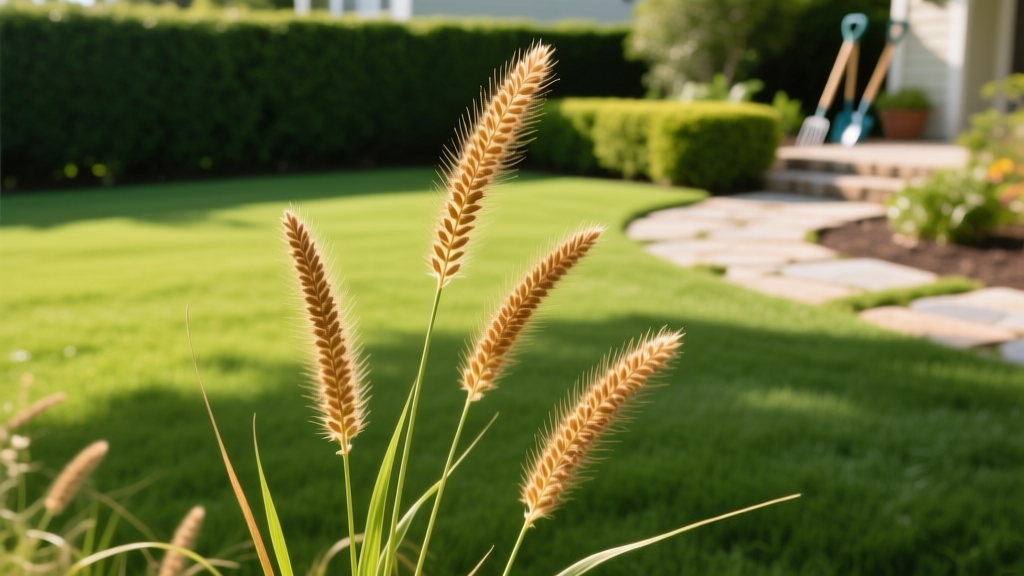
Bermuda Seed Head Control: Why They Appear and How to Stop Them
The Biology Behind Bermuda Seed Heads
Bermuda grass (Cynodon dactylon) is a highly resilient warm-season turfgrass prized for its drought tolerance and rapid recovery. However, every late spring and early summer, homeowners notice the sudden emergence of bermuda seed heads—tough, wiry stems that shoot above the turf canopy, creating a whitish, unkempt appearance. Understanding why this happens is the first step toward effective warm-season grass care.
Seed head production is a natural reproductive phase triggered primarily by photoperiodism (increasing day length) and environmental stress. When the grass senses longer days or survival threats, it shifts energy from vegetative growth (producing leaves and stolons) to reproductive growth (producing seeds). While this is a brilliant survival mechanism for the plant, it results in a coarse texture, increased allergy-causing pollen, and severe dulling of mower blades.
Expert Insight: A common misconception is that the seed heads from your lawn will drop and grow new grass. If you have a hybrid Bermuda cultivar like Tifway 419, Celebration, or Latitude, the seeds are entirely sterile. Only common Bermuda grass produces viable seed. Therefore, letting hybrid seed heads mature will never thicken your lawn; it only wastes the plant's energy.
4 Primary Triggers for Seed Head Production
While day length is the baseline trigger, cultural and environmental factors can severely exacerbate seed head flushes. Identifying your lawn's specific stressor is critical for long-term suppression.
- Drought Stress: When soil moisture drops below optimal levels, Bermuda grass accelerates seed production as a last-ditch effort to reproduce before dying. This is common in late May and June when temperatures spike before deep root systems are fully established.
- Nutrient Deficiency: Lawns starved of nitrogen interpret the lack of resources as a signal to enter the reproductive phase. A healthy, aggressively growing vegetative lawn naturally suppresses its own seed head production.
- Improper Mowing Heights: Scalping the lawn or allowing it to grow too tall before cutting shocks the plant. According to Clemson University Extension, maintaining hybrid Bermuda at 0.5 to 1.5 inches and common Bermuda at 1.5 to 2.5 inches is vital to prevent stress-induced seeding.
- Soil Compaction: Heavy clay soils restrict root oxygen and water uptake, mimicking drought stress even when you are irrigating adequately.
The PGR Solution: Plant Growth Regulators Explained
For professional turf managers and serious homeowners, the most effective chemical intervention for bermuda seed head control is the application of Plant Growth Regulators (PGRs). PGRs work by inhibiting the biosynthesis of gibberellic acid, a hormone responsible for cell elongation and seed stalk development.
Active Ingredients and Product Selection
The industry standard active ingredient is Trinexapac-ethyl. In 2026, the most widely used professional product remains Syngenta's Primo Maxx, though generic alternatives like Quali-Pro T-Nex PGR offer identical efficacy at a lower price point. Expect to pay between $55 and $75 for an 8-ounce bottle of generic T-Nex, which is sufficient to treat roughly 16,000 to 32,000 square feet, bringing the cost down to approximately $0.003 per square foot.
Application Rates and Timing
To effectively suppress seed heads without causing phytotoxicity (chemical burn), precise calibration is required:
| Turf Type | Initial Application Rate | Maintenance Rate (Every 3-4 Weeks) | Carrier Volume |
|---|---|---|---|
| Hybrid Bermuda (Tifway, Celebration) | 0.25 oz per 1,000 sq ft | 0.15 - 0.20 oz per 1,000 sq ft | 1.0 - 1.5 gallons water |
| Common Bermuda | 0.50 oz per 1,000 sq ft | 0.25 - 0.35 oz per 1,000 sq ft | 1.0 - 1.5 gallons water |
Warning: Never apply Trinexapac-ethyl during a drought or when the lawn is already experiencing heat stress. PGRs temporarily slow the grass's metabolism; applying them to a stressed lawn can cause severe yellowing and stunted recovery. Always irrigate the lawn deeply 24 hours before application.
Cultural Practices to Suppress Seeding
If you prefer to avoid chemical growth regulators, you must compensate with aggressive cultural practices. The goal is to keep the grass in a state of rapid vegetative growth, which naturally outcompetes the reproductive phase.
1. Strategic Nitrogen Fertilization
According to research from the University of Georgia Extension, applying 1 pound of actual nitrogen per 1,000 square feet every 4 to 6 weeks during peak summer forces the plant to focus on leaf and stolon production. Use a fast-release nitrogen source like Urea (46-0-0) or Ammonium Sulfate (21-0-0) during the initial seed head flush in May to shock the plant back into vegetative growth.
2. Reel Mowing vs. Rotary Mowing
Seed heads have thick, fibrous stalks that easily tear when hit by a standard rotary mower blade, leaving jagged, brown tips that make the lawn look diseased. Reel mowers utilize a scissor-like cutting action that slices cleanly through seed stalks. If you must use a rotary mower, ensure the blade is sharpened every 10 hours of use, and consider mowing twice a week during the peak June seed head flush to cut the stalks before they mature and harden.
Control Method Comparison Matrix
| Method | Effectiveness | Cost (Per 5,000 sq ft) | Labor / Effort | Secondary Benefits |
|---|---|---|---|---|
| PGR (Trinexapac-ethyl) | 95% Suppression | $8 - $12 | Low (Spray once a month) | Reduces mowing frequency by 50%; deepens root mass. |
| Heavy Nitrogen Feeding | 60% Suppression | $10 - $15 | Medium (Spread and water in) | Deepens green color; increases turf density. |
| Frequent Reel Mowing | 80% Visual Control | $0 (Time cost only) | High (Mow 2-3x per week) | Promotes tight, carpet-like lateral growth. |
Step-by-Step Recovery Plan for a Seeding Lawn
If your lawn is already overrun with mature, whitish seed heads in mid-summer, follow this exact recovery protocol to restore the canopy:
- Lower the Mower Gradually: Drop your mowing height by one notch (about 0.25 inches) to physically remove the majority of the existing seed stalks. Bag the clippings to remove the biomass and prevent thatch buildup.
- Apply a Fast-Release Nitrogen: Spread Ammonium Sulfate (21-0-0) at a rate of 5 pounds per 1,000 square feet (providing roughly 1 lb of actual N). Water it in immediately with 0.5 inches of irrigation.
- Hydrate Deeply: Apply 1 inch of water over the next two days to support the rapid vegetative flush triggered by the nitrogen.
- Wait 14 Days, Then Apply PGR: Once the lawn has recovered and is actively pushing new green leaves, apply Trinexapac-ethyl at the standard rate to halt any secondary seed head attempts and tighten the turf canopy for the remainder of the summer.
Frequently Asked Questions
Do bermuda seed heads cause allergies?
Yes. The pollen released by mature bermuda seed heads is a known trigger for seasonal allergic rhinitis. Keeping the lawn mowed frequently or using PGRs to prevent the stalks from maturing significantly reduces local pollen loads.
Can I use weed killers to target seed heads?
No. Selective herbicides like 2,4-D or Quinclorac target broadleaf weeds and certain grassy weeds, but they will not stop the reproductive cycle of your primary turfgrass. Using non-selective herbicides like Glyphosate will kill the seed heads, but it will also kill the surrounding Bermuda grass, leaving dead patches.
Why are the seed heads turning purple or red?
A reddish or purple tint on seed heads and lower stems is often a secondary symptom of phosphorus deficiency or cool nighttime soil temperatures in early spring. A soil test from a local extension office, such as those recommended by NC State TurfFiles, will confirm if a phosphorus application (e.g., a 10-20-10 starter fertilizer) is required.