
Grass Types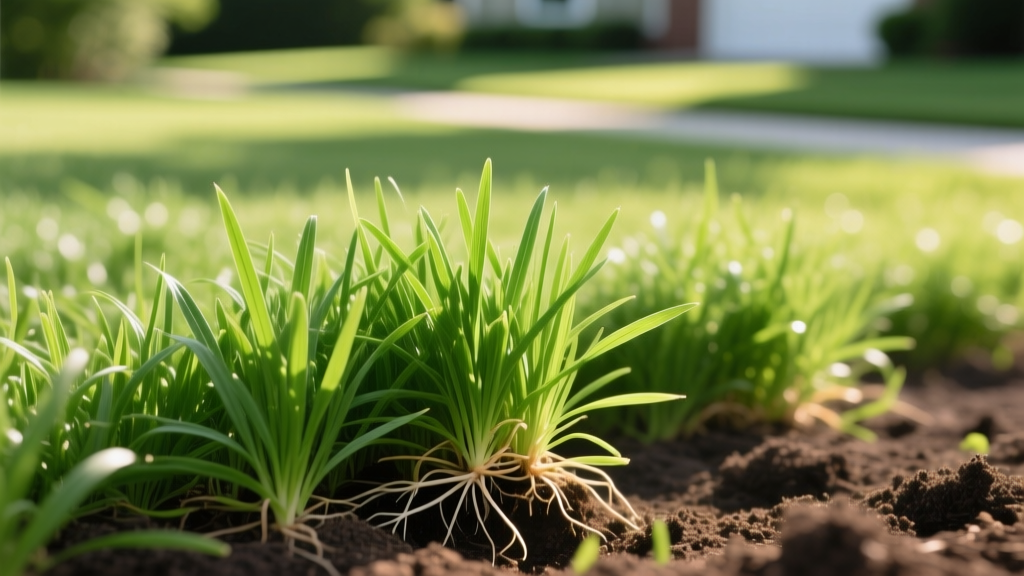
The Truth About TifTuf Bermuda Grass Seed & How to Establish It
The Hard Truth About TifTuf Bermuda Grass Seed
If you are searching for TifTuf Bermuda grass seed, you need to know a critical botanical fact before you spend a single dollar: true TifTuf Bermuda grass seed does not exist. TifTuf is a highly refined, vegetatively propagated hybrid. Like most premium hybrid Bermudas (such as Tifway 419 or Celebration), it is sterile and does not produce viable seeds. Any retailer, marketplace vendor, or website claiming to sell 'TifTuf seed' is either misinformed or actively selling you generic common Bermuda seed under a premium trademarked name.
Consumer Scam Alert: Bags labeled as 'TifTuf Seed' found on third-party marketplaces are typically filled with common Bermuda (Cynodon dactylon) or even weeping lovegrass. You will pay a premium price for a low-quality, high-maintenance lawn that lacks the drought tolerance and disease resistance of the genuine TifTuf cultivar.
Developed by the University of Georgia (UGA) Cooperative Extension after nearly 25 years of rigorous breeding, TifTuf (experimental name DT-1) was selected specifically for its superior drought tolerance, wear recovery, and shade adaptability. Because it is a cross between different Bermuda subspecies, it is a triploid hybrid. This genetic makeup is what gives it its vigor, but it also means the plant is completely sterile. To establish a genuine TifTuf lawn, you must use vegetative methods: sod, plugs, or sprigs.
How to Actually Establish TifTuf Bermuda
Since seed is off the table, homeowners must choose between three vegetative establishment methods. Your choice depends on your budget, timeline, and physical labor capacity. Below is a breakdown of the 2026 market averages for TifTuf installation.
| Establishment Method | Average Cost (2026) | Time to Full Coverage | Labor Intensity |
|---|---|---|---|
| Sod | $0.45 - $0.65 per sq. ft. | Instant (14-21 days to root) | Moderate (Heavy lifting) |
| Plugs | $0.50 - $0.80 per plug | 90 - 120 days (12x12 spacing) | High (Digging hundreds of holes) |
| Sprigs | $150 - $250 per 1,000 sq. ft. | 60 - 90 days | Very High (Requires mechanical planter or trenching) |
Method 1: Sodding (The Instant Lawn)
Sodding is the most common method for residential TifTuf installation. It provides immediate erosion control and instant aesthetic gratification. The critical failure point for sod is poor soil contact. You must rototill the top 4 inches of soil, rake it perfectly level, and lay the sod within 12 hours of delivery to prevent the roots from drying out and necrotizing.
Method 2: Plug Planting (The Budget-Friendly Route)
Plugs are 3-inch cylindrical cores of TifTuf grass and soil. This method is highly cost-effective for smaller yards or patching, but it requires patience. According to NC State TurfFiles, hybrid Bermudas spread via above-ground stolons and below-ground rhizomes. When planted at 12-inch intervals, TifTuf's aggressive lateral growth will typically knit together into a solid carpet within one full growing season.
Step-by-Step TifTuf Plug and Sprig Planting Guide
If you are bypassing sod to save money and opting for plugs or sprigs, precise execution is mandatory. Hybrid Bermuda fails to establish when planted too deep or starved of moisture during the first 21 days.
- Soil Testing and Amendment: TifTuf thrives in a soil pH between 6.0 and 6.5. Conduct a soil test 30 days before planting. If your pH is below 6.0, apply pelletized limestone at a rate of 50 lbs per 1,000 sq. ft. to raise it.
- Site Grading: Remove all existing vegetation using a non-selective herbicide (like glyphosate) 14 days prior. Wait for the weeds to die, then rototill to a depth of 4 inches. Rake out rocks and roots to ensure a smooth grade.
- Planting Depth: This is where most DIYers fail. When planting plugs or sprigs, the crown of the plant (where the stems meet the roots) must be exactly at the soil surface. Burying the crown causes rot; leaving the roots exposed causes desiccation. Press the soil firmly around the plug to eliminate air pockets.
- The 21-Day Watering Protocol:
- Days 1-10: Water 3 to 4 times daily for 5-10 minutes. The goal is to keep the top 1 inch of soil constantly moist, not muddy.
- Days 11-21: Reduce to once daily, applying about 0.25 inches of water. This encourages the stolons to root into the native soil.
- Days 22+: Transition to deep, infrequent watering. Apply 0.5 to 1 inch of water twice a week to force roots deeper.
38% Less Water: UGA research trials demonstrate that TifTuf maintains acceptable turf quality using 38% less water than the industry-standard Tifway 419 Bermuda. Once established, TifTuf requires only 0.6 to 0.8 inches of water per week during peak summer heat, compared to the 1.2 inches required by common seeded varieties.
Best Seeded Alternatives to TifTuf Bermuda
If your site conditions, budget, or HOA regulations strictly dictate that you must use seed, you cannot use TifTuf. However, turfgrass breeders have developed high-quality seeded Bermuda cultivars that mimic some of the characteristics of vegetative hybrids. If you need a seeded alternative in 2026, look for these certified varieties:
Yukon Bermuda
Developed by Oklahoma State University, Yukon is widely considered the best seeded Bermuda for transition zones. It offers exceptional cold tolerance, surviving winters that would kill standard coastal Bermudas. It features a medium-fine texture and good traffic tolerance, though it lacks the extreme drought efficiency of TifTuf.
Princess 77
Princess 77 is a dense, fine-bladed seeded Bermuda that closely resembles the look and feel of a vegetative hybrid. It establishes rapidly from seed (germinating in 7-10 days when soil temperatures exceed 70°F) and provides a very dark green color. It is an excellent choice for homeowners who want a premium look without paying sod prices.
Arden 15
Arden 15 offers superior density and a darker green genetic color than older seeded varieties like Sahara or Cheyenne. It is highly responsive to nitrogen fertilization and recovers from divots and foot traffic quickly.
Frequently Asked Questions
Can I harvest seed from my neighbor's TifTuf lawn?
No. TifTuf is a sterile triploid hybrid. While it may occasionally produce a seed head (inflorescence), the seeds inside are non-viable and will not germinate. The only way to propagate TifTuf is by cutting stolons or taking core plugs.
Does TifTuf stay green year-round?
TifTuf is a warm-season grass. It will go dormant and turn brown after the first hard frost in autumn. In USDA Hardiness Zones 8-11, it may retain some color during mild winters, but in Zones 6 and 7, expect 4 to 5 months of winter dormancy. Many homeowners overseed their TifTuf with Perennial Ryegrass in October for winter color.
How much fertilizer does newly planted TifTuf need?
Do not fertilize TifTuf plugs or sod until they have rooted firmly into the native soil (usually 14-21 days). Once rooted, apply a starter fertilizer high in phosphorus (such as a 10-20-10 blend) at a rate of 1 lb of nitrogen per 1,000 sq. ft. to fuel rapid stolon expansion.