
Grass Types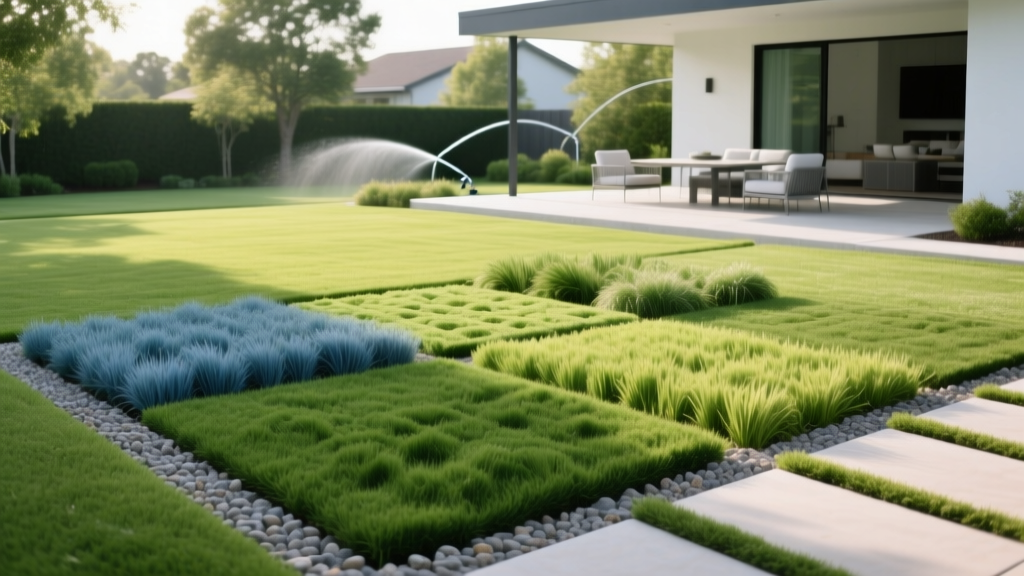
How Much Is Turf Per Square Foot? 2026 Sod Cost Guide
When budgeting for a new lawn, the most critical metric is the material and installation cost per square foot. As of 2026, the baseline cost for turfgrass sod materials ranges from $0.30 to $0.85 per square foot, depending on the cultivar, regional availability, and order volume. When factoring in professional soil preparation, delivery, and installation labor, the total installed price typically lands between $1.20 and $2.50 per square foot.
Understanding how much turf is per square foot requires looking beyond the sticker price of a single roll. Pallet logistics, cultivar-specific waste factors, and soil amendment requirements drastically alter the final cost per square foot of established lawn. This guide breaks down the exact pricing matrices, coverage calculations, and hidden fees you need to calculate an accurate 2026 turf budget.
Base Material Costs by Grass Cultivar
Turfgrass pricing is heavily dictated by the species and the specific patented cultivar you select. Warm-season grasses propagated via sprigs or stolons (like Zoysia and Bermuda) often carry higher material costs due to slower nursery growth rates, while cool-season grasses (like Tall Fescue) are generally more affordable to produce and harvest.
| Grass Type | Material Cost (Per Sq Ft) | Standard Pallet Size | Pallet Weight | Best Climate Zone |
|---|---|---|---|---|
| Tall Fescue | $0.35 – $0.55 | 400 – 450 sq ft | 2,000 – 2,500 lbs | Transition / Cool |
| Kentucky Bluegrass | $0.40 – $0.65 | 400 – 450 sq ft | 2,200 – 2,600 lbs | Cool |
| Bermuda (TifTuf / Tifway) | $0.45 – $0.70 | 400 – 500 sq ft | 2,500 – 3,000 lbs | Warm |
| St. Augustine (Palmetto) | $0.50 – $0.75 | 400 – 450 sq ft | 2,500 – 3,000 lbs | Warm / Coastal |
| Zoysia (Zeon / Emerald) | $0.65 – $0.85+ | 400 – 450 sq ft | 2,500 – 3,000 lbs | Warm / Transition |
Expert Insight: Patented cultivars like Zeon Zoysia or TifTuf Bermuda command a 30% to 50% premium over generic commodity sod. However, according to research from NC State Extension, these premium cultivars offer superior drought tolerance and disease resistance, significantly reducing long-term irrigation and chemical maintenance costs.
Calculating Coverage: The 10% Overage Rule
A common mistake when ordering sod is purchasing the exact square footage of the measured area. Turfgrass is harvested in large rectangles (typically 2 feet by 4.5 feet or 16 x 24 inches) and must be cut to fit curves, tree rings, and property boundaries.
Step-by-Step Coverage Calculation
- Measure the Base Area: Calculate the exact square footage of your lawn space (Length × Width for rectangles; break irregular shapes into smaller geometric sections).
- Apply the 10% Waste Factor: Multiply your base area by 1.10. If your lawn is 4,000 sq ft, you need to order 4,400 sq ft of turf to account for cutting waste and edge overlaps.
- Divide by Pallet Coverage: Sod is sold by the pallet, not by the roll. If your local farm harvests 450 sq ft per pallet, divide 4,400 by 450. This equals 9.77 pallets.
- Round Up: Always round up to the next full pallet. In this scenario, you must order 10 pallets (4,500 sq ft total). The leftover 100 sq ft can be used to patch thin areas or composted.
Hidden Fees That Inflate Your Per-Square-Foot Price
The price quoted by a turf farm over the phone is rarely the final price on the invoice. When calculating how much turf is per square foot, you must integrate the following logistical fees into your budget:
- Delivery and Fuel Surcharges: Flatbed delivery typically costs between $85 and $175 per load (up to 12–14 pallets). If your site is outside the farm's standard 20-mile radius, expect a per-mile surcharge. As of 2026, stabilized diesel prices have kept these fees relatively predictable compared to previous years.
- Pallet Deposits: Most turf farms charge a refundable deposit of $15 to $25 per wooden pallet. For a 10-pallet order, this adds $150 to $250 to your upfront out-of-pocket cost, which is reimbursed only when you return the clean, intact wooden pallets.
- Off-Load Equipment Fees: A full pallet of sod weighs up to 3,000 lbs. Delivery trucks are equipped with hydraulic lift gates, but the driver will only drop the pallets at the curb. If you need the pallets moved to a backyard or distributed across the property, you must rent a skid steer ($250/day) or pay a labor crew to move them by hand.
- Curing and Shrinkage: Sod is harvested with high moisture content. If left on the pallet for more than 24 hours in summer heat, the center of the pallet will "cook" and die due to microbial heat generation. You must have the labor ready to lay the turf the exact day it is delivered.
Soil Preparation: The Unseen Cost Per Square Foot
Laying sod directly over compacted subsoil or existing dead grass is the primary cause of turf failure. According to establishment guidelines published by Penn State Extension, proper soil preparation requires tilling the top 4 to 6 inches and incorporating organic matter to ensure rapid root penetration.
Budget an additional $0.20 to $0.45 per square foot for soil preparation. This includes:
- Rototilling: Breaking up compacted clay or existing soil profiles.
- Topsoil and Compost Amendments: A standard application requires 1 cubic yard of topsoil/compost mix per 1,000 square feet to achieve a 1-inch top dressing. Bulk topsoil averages $30 to $50 per cubic yard in 2026, plus delivery.
- Grading and Leveling: Using a lawn leveling rake or drag mat to eliminate low spots that will cause water pooling and subsequent root rot.
Seed vs. Sod vs. Plugs: A Cost-Per-Square-Foot Framework
If the per-square-foot cost of solid sod exceeds your budget, alternative establishment methods offer different financial and temporal trade-offs. Here is how they compare for a standard 5,000 sq ft lawn:
| Establishment Method | Material Cost (Per Sq Ft) | Time to Full Coverage | Labor Intensity | Weed Competition Risk |
|---|---|---|---|---|
| Sod (Solid Roll) | $0.35 – $0.85 | Instant (2-3 weeks to root) | High (Heavy lifting) | Very Low |
| Plugs / Sprigs | $0.10 – $0.25 | 3 – 6 Months | Medium (Planting grid) | Medium |
| Seed | $0.05 – $0.15 | 2 – 3 Months | Low (Broadcasting) | High |
Decision Framework: Choose sod if you need immediate erosion control on slopes or have strict HOA deadlines. Choose plugs for warm-season grasses like Bermuda or Zoysia, which spread aggressively via stolons and rhizomes, filling in gaps rapidly during peak summer heat. Choose seed only for cool-season lawns (Fescue, Bluegrass) where you can control irrigation and weed competition during the fall germination window. For deeper regional cultivar recommendations, consult the Texas A&M AgriLife Extension turfgrass databases.
Final Budgeting Takeaway
To accurately determine how much turf is per square foot for your specific project, start with the base material cost of your chosen cultivar, add 10% for cutting waste, and layer in $0.25 per square foot for soil prep and delivery logistics. By calculating the total landed cost rather than just the farm-gate price, you will avoid budget shortfalls and ensure a successful, long-lasting turf installation.

