
Grass Types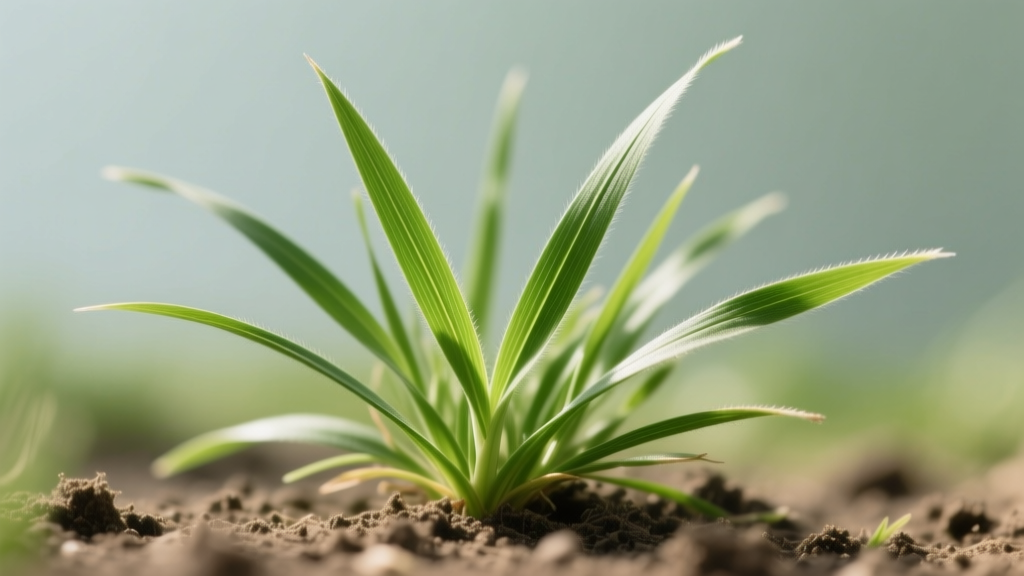
What Does Fescue Grass Look Like? A Visual Identification Guide
When homeowners ask, "what does fescue grass look like," they are often surprised to learn there is no single answer. The term "fescue" refers to the Festuca genus, which encompasses hundreds of species. In the context of residential turfgrass, however, fescue is divided into two visually and structurally distinct camps: Tall Fescue (broadleaf, bunch-type) and the Fine Fescues (narrow-leaf, shade-tolerant). Misidentifying these grasses can lead to catastrophic lawn care failures, as their mowing heights, water requirements, and shade tolerances differ drastically.
This guide provides a granular, anatomical breakdown of what fescue grass looks like in the field, equipping you with the exact visual markers needed to distinguish it from look-alikes like Perennial Ryegrass and Kentucky Bluegrass.
The Two Distinct Camps: Tall Fescue vs. Fine Fescues
Before examining the collar region or measuring blade widths, you must determine which sub-group you are looking at. Tall fescue (Festuca arundinacea) is a robust, deep-rooted cool-season grass prized for its heat and drought tolerance in the transition zone. Fine fescues—which include Creeping Red, Chewings, Hard, and Sheep fescues—are delicate, needle-like grasses primarily used for heavy shade and low-maintenance areas.
Tall Fescue (*Festuca arundinacea*) Visual Profile
Tall fescue is the most widely planted fescue in the United States. Modern turf-type and dwarf turf-type cultivars (such as 'Titan Ultra' and 'Mustang IV') have been bred to be denser and darker than older forage varieties like 'Kentucky 31', but their fundamental anatomy remains the same.
Leaf Blade Characteristics
- Width: Mature leaf blades range from 1/4 to 1/2 inch wide, making them significantly broader than Kentucky Bluegrass (1/8 to 1/4 inch).
- Texture and Veins: The upper surface of the blade is distinctly ribbed with prominent, parallel veins that feel rough to the touch. The underside is smooth and highly glossy.
- Tip Shape: The leaf tip is sharply pointed, unlike the boat-shaped (prow-like) tip of Kentucky Bluegrass.
- Vernation (Bud Leaf): When a new leaf emerges from the sheath, it is rolled (cylindrical). This is a critical identifier, as Kentucky Bluegrass and Perennial Ryegrass emerge folded.
Expert Insight: The "Clumping" Visual
Traditional tall fescue is a bunchgrass, meaning it spreads vertically via tillers rather than horizontally via rhizomes or stolons. Visually, this results in distinct, isolated clumps of grass separated by bare soil or weeds if the lawn is thin. However, newer Rhizomatous Tall Fescue (RTF) cultivars, developed by brands like Barenbrug, produce short rhizomes that allow the grass to knit together, eliminating the "clumpy" visual appearance of older lawns.
Traditional tall fescue is a bunchgrass, meaning it spreads vertically via tillers rather than horizontally via rhizomes or stolons. Visually, this results in distinct, isolated clumps of grass separated by bare soil or weeds if the lawn is thin. However, newer Rhizomatous Tall Fescue (RTF) cultivars, developed by brands like Barenbrug, produce short rhizomes that allow the grass to knit together, eliminating the "clumpy" visual appearance of older lawns.
The Fine Fescue Complex: Needle-Like and Shade-Tolerant
If the grass in question resembles a cluster of green sewing needles rather than a traditional lawn blade, you are looking at a fine fescue. These grasses are almost never planted as monocultures; they are typically mixed into shade-tolerant seed blends. According to the UMass Extension Turf Program, fine fescues require significantly less nitrogen and water than tall fescue, but they will visually collapse and thin out if subjected to heavy foot traffic or high summer heat.
| Fine Fescue Sub-Species | Blade Width & Texture | Growth Habit | Visual Color & Tone | Primary Visual Quirk |
|---|---|---|---|---|
| Creeping Red Fescue | 1/16 inch or less; very fine, bristle-like | Spreading (short rhizomes) | Medium to dark green | The base of the leaf sheath often features a distinct reddish-purple tint. |
| Chewings Fescue | 1/16 inch; fine, slightly stiffer than red fescue | Bunch-type (no rhizomes) | Medium green | Leaves tend to remain tightly folded and upright, creating a dense, tufted visual. |
| Hard Fescue | 1/16 inch; rigid, wiry, and sharp to the touch | Bunch-type | Grayish-green to blue-green | Highly upright growth habit; looks "spiky" when unmowed. |
| Sheep Fescue | 1/16 inch; soft but dense | Bunch-type | Blue-green to silver-green | Grows in very tight, distinct hummocks or mounds, rarely used in standard lawns. |
The Collar Region: The Ultimate Fescue Identification Test
Visual identification of the leaf blade alone is often insufficient, especially when grass is young or stressed. Turfgrass scientists rely on the collar region—the junction where the leaf blade meets the leaf sheath—to make a definitive identification. The NC State University TurfFiles database highlights the collar region as the most reliable diagnostic tool for cool-season grasses.
Step-by-Step Collar Inspection
- Extract a Sample: Pull a single, mature grass shoot from the soil, ensuring you get the entire stem and sheath intact.
- Locate the Ligule: Bend the leaf blade back 90 degrees to expose the inner collar. Look for the ligule (the membrane at the junction). In both tall and fine fescues, the ligule is short, membranous, and truncated (usually 0.5 to 1.0 mm long). It will look like a faint, ragged white line.
- Check for Auricles (The Dealbreaker): Look at the edges of the collar where the blade wraps around the stem. Auricles are claw-like appendages that clasp the stem. Fescue has NO auricles. If you see prominent, hairy, clasping auricles, you are looking at Perennial Ryegrass, not fescue. If you see short, blunt, non-hairy auricles, it is Kentucky Bluegrass.
Common Misidentification Trap: Homeowners frequently confuse Tall Fescue with Perennial Ryegrass because both have prominent parallel veins on the upper leaf surface and a glossy underside. Always check the vernation (rolled for fescue, folded for ryegrass) and the auricles (absent in fescue, present and hairy in ryegrass) before purchasing herbicides or seed.
Seasonal Visual Shifts and Stress Indicators
Fescue does not look the same year-round. Understanding its seasonal visual shifts is critical for diagnosing lawn health versus natural dormancy.
Summer Dormancy vs. Brown Patch Fungus
In the transition zone and warmer climates, tall fescue will visually degrade during peak summer (July-August) when soil temperatures exceed 75°F. The grass enters a semi-dormant state, taking on a pale, yellowish-green hue before browning entirely. Homeowners often mistake this for disease. However, if you see distinct, circular, brown lesions ranging from 2 to 12 inches in diameter with dark, smoky borders during humid mornings, you are looking at Brown Patch (Rhizoctonia solani), a fungal pathogen that aggressively attacks the broad, moisture-retaining blades of tall fescue.
Winter Color Retention
Unlike warm-season grasses (Bermuda, Zoysia) that turn completely straw-brown in winter, tall fescue maintains a muted, olive-green color throughout the winter months in zones 5 through 7, provided it was fertilized correctly in the late fall. Fine fescues, however, may exhibit "winter desiccation," taking on a bleached, tan appearance in exposed, windy areas.
Frequently Asked Questions About Fescue Identification
Can fescue grass spread and fill in bare spots on its own?
Visually, traditional tall fescue and most fine fescues (except creeping red) are bunchgrasses. They do not spread horizontally to fill in bare spots. If your lawn has patches of dirt, the fescue will not "creep" over to cover them; you must overseed the area. Only specialized Rhizomatous Tall Fescue (RTF) possesses the visual knitting capability to recover from minor damage.
Why does my fescue grass look like it has white powder on it?
If your fine fescue or tall fescue blades are coated in a white, dust-like substance, you are looking at Powdery Mildew (Erysiphe graminis). This is highly common in fine fescues planted in deep, heavy shade with poor air circulation. While it alters the visual profile of the grass, it is rarely fatal; improving airflow and reducing overhead irrigation will clear the visual symptoms.
How can I tell if my lawn is a fescue blend or pure Kentucky Bluegrass?
Kentucky Bluegrass (KBG) has a distinct, dark blue-green hue and a boat-shaped leaf tip. It spreads via underground rhizomes, creating a visually seamless, dense carpet. Fescue lawns, particularly tall fescue, will have a slightly lighter, yellow-green undertone, broader individual blades, and a more upright, clumping visual structure. For definitive confirmation, utilize the collar region test outlined above to check for the presence of KBG's blunt auricles.
Accurate identification is the foundation of turfgrass management. By examining the vernation, measuring the blade width, and inspecting the collar region, you can confidently answer the question of what your fescue grass looks like and tailor your mowing, watering, and fertilization regimens to its specific biological needs. For further regional identification support, consult your local university extension office or the Penn State Extension Turfgrass Program.

