Grass Types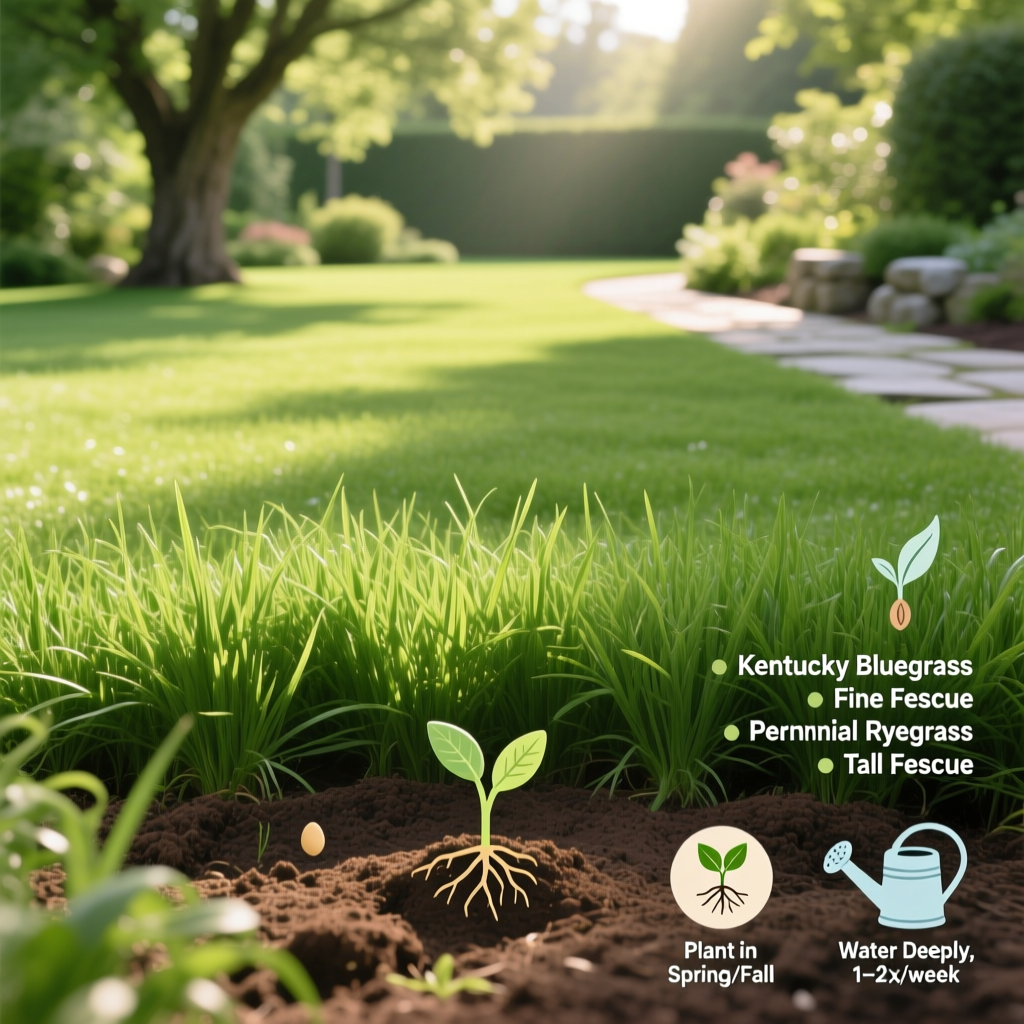
The Best Grass for Clay Soil: Top Varieties & Growing Guide
Sarah ChenPublished
Clay soil is notorious among homeowners, landscapers, and gardeners alike. If you have ever tried to dig a hole in your yard only to find your shovel sticking to heavy, dense clumps of earth, you already know the unique challenges of managing a clay-based landscape. When wet, clay soil becomes a sticky, slippery mess that pools water and suffocates roots. When dry, it bakes into a hard, brick-like surface that repels moisture and restricts root penetration. For turfgrass, these conditions can be incredibly hostile, leading to thin, patchy, and unhealthy lawns.
However, having heavy clay soil does not mean you are destined to have a barren yard. The secret to a lush, vibrant lawn lies in selecting the right turfgrass species. Certain grass varieties have evolved deep, robust root systems and resilient growth habits that allow them to thrive in dense, compacted environments. By matching the right grass type to your specific climate and pairing it with proper soil management techniques, you can transform a problematic clay yard into a beautiful, durable outdoor space.
In this comprehensive guide, we will explore the best grass types for clay soil, break down their growing zones and maintenance requirements, and provide expert tips on how to care for a lawn rooted in heavy earth. Whether you are establishing a new lawn from seed or looking to overseed an existing one, this guide will give you the knowledge you need to succeed.
Understanding Clay Soil & Its Challenges for Lawns
Before selecting a grass type, it is crucial to understand the science behind clay soil. Soil is primarily composed of sand, silt, and clay particles. Clay particles are microscopic, flat, and plate-like. Because of their tiny size and shape, they pack together incredibly tightly, leaving very little pore space for air and water to move through. This dense structure is the root cause of the most common lawn issues associated with clay.
The primary challenge of clay soil is poor drainage. During heavy rains, water struggles to percolate through the tightly packed particles, leading to surface pooling, runoff, and waterlogged root zones. Turfgrass roots need oxygen just as much as they need water; when the soil is saturated, the roots essentially drown, making the grass highly susceptible to fungal diseases and root rot. Conversely, during hot, dry spells, clay soil shrinks and cracks, pulling away from the roots and creating a hydrophobic barrier that prevents irrigation from reaching the root zone.
Another significant factor is soil compaction. Because clay lacks structural stability, foot traffic, mowing equipment, and heavy rains easily compress the particles even further. This compaction creates a physical barrier that weak grass roots simply cannot penetrate. Furthermore, while clay soil actually has a high Cation Exchange Capacity (CEC)—meaning it can hold onto a massive amount of nutrients—those nutrients are often locked up and unavailable to the grass if the soil pH is unbalanced. This is why conducting a comprehensive soil test is an absolute necessity before planting or treating a clay lawn.
Top Cool-Season Grasses for Clay Soil
Cool-season grasses thrive in regions with cold winters and moderate summers, typically found in the northern half of the United States and the transition zone. When dealing with clay in these climates, you need grasses that can handle moisture retention in the spring and extreme hardness in the summer.
Tall Fescue
Tall Fescue is widely considered the undisputed champion of cool-season grasses for clay soil. Modern turf-type tall fescue cultivars have been specifically bred to feature deep, extensive root systems that can reach depths of two to three feet. These massive roots act like biological plows, naturally breaking up compacted clay layers over time and seeking out deep moisture reserves during summer droughts. Tall fescue is a bunch-type grass, meaning it grows in clumps rather than spreading via runners. While it is highly tolerant of heat, drought, and heavy soil, it does require periodic overseeding to maintain a thick, uniform appearance and fill in bare spots.
Kentucky Bluegrass
Kentucky Bluegrass is famous for its beautiful, dark green color and soft texture, making it a favorite for northern lawns. Unlike tall fescue, Kentucky Bluegrass spreads via underground stems called rhizomes, allowing it to aggressively fill in damaged areas and create a dense, carpet-like turf. However, its root system is relatively shallow compared to tall fescue, which means it struggles to penetrate raw, unamended clay. If you choose Kentucky Bluegrass for a clay lawn, you must commit to regular core aeration and topdressing with organic compost to keep the top few inches of soil loose and hospitable for its rhizomes.
Perennial Ryegrass
Perennial Ryegrass is rarely used as a standalone lawn in heavy clay due to its shallow roots and susceptibility to summer stress. However, it is an invaluable tool for clay soil lawn establishment. It germinates faster than almost any other cool-season grass, often sprouting in under a week. Landscapers frequently use it as a 'nurse grass' in seed blends alongside tall fescue or Kentucky bluegrass. The ryegrass quickly establishes a protective canopy that prevents soil erosion and shields the slower-germinating seeds from the harsh sun and heavy rains that typically plague bare clay yards.
Top Warm-Season Grasses for Clay Soil
Warm-season grasses are built for the heat and humidity of the southern United States. They go dormant and turn brown during the winter but explode with vigorous growth during the hot summer months. Many warm-season grasses possess aggressive growth habits that make them exceptionally well-suited for heavy soils.
Bermudagrass
Bermudagrass is a highly aggressive, sun-loving turf that thrives in the heavy clay soils of the South. It spreads rapidly via both above-ground stolons and below-ground rhizomes, creating a dense, wear-resistant mat that handles heavy foot traffic beautifully. Bermudagrass has a deep, extensive root system that allows it to survive the extreme heat and dry spells that cause clay soil to crack. Its aggressive nature means it will easily outcompete most weeds, though it can become invasive in adjacent flower beds. It requires full sun and frequent mowing during its peak growing season.
Zoysiagrass
Zoysiagrass is a premium warm-season turf known for its thick, lush, and carpet-like appearance. It is incredibly tough and handles the compaction associated with clay soil much better than many other southern grasses. Zoysia establishes a deep root system that provides excellent drought tolerance once mature. However, it is notoriously slow to establish from seed or plugs, often taking one to two full growing seasons to fully cover a yard. Additionally, its dense growth habit in heavy, moisture-retaining clay can lead to thatch buildup, making routine dethatching an important part of its long-term maintenance.
Buffalo Grass
Buffalo Grass is a native prairie grass that is perfectly adapted to the heavy, alkaline clay soils of the Great Plains and the Midwest. It is the ultimate low-maintenance turf, requiring significantly less water, fertilizer, and mowing than traditional lawn grasses. Its deep, fibrous root system is incredibly efficient at extracting moisture from dense clay. While it does not provide the manicured, golf-course look of Bermudagrass or Zoysia, it offers a natural, soft-textured lawn that is highly resilient to environmental stress and poor soil conditions.
Pros & Cons of Clay Soil for Turfgrass
While clay soil is often viewed purely as a landscaping nuisance, it actually possesses several inherent benefits for turfgrass, provided it is managed correctly. Understanding both the advantages and the drawbacks will help you set realistic expectations for your lawn care routine.
The Pros:
- Nutrient Retention: Clay particles carry a negative electrical charge, which attracts and holds onto positively charged nutrient ions like calcium, magnesium, and potassium. This high CEC means clay soil is naturally fertile and requires less frequent fertilization than sandy soils, which leach nutrients rapidly.
- Moisture Holding Capacity: Once a deep-rooted grass is established, the moisture-retaining properties of clay become a massive advantage during summer droughts. The soil acts as a reservoir, providing a steady supply of water to the roots long after the surface has dried out.
- Root Anchorage: The dense nature of clay provides incredible structural support. Once turfgrass roots penetrate the soil, the lawn is highly resistant to tearing, divoting, and damage from heavy foot traffic or pets.
The Cons:
- Poor Drainage & Aeration: The lack of pore space means water pools on the surface, and oxygen struggles to reach the root zone, leading to shallow roots and fungal diseases.
- Severe Compaction: Clay compresses easily under weight, creating a hardpan layer that chokes roots and prevents water infiltration.
- Slow to Warm: Because clay holds so much water, it takes much longer to warm up in the spring compared to sandy soils. This delays the spring green-up of warm-season grasses and slows the germination of cool-season grass seeds.
- Difficult to Work With: Amending, tilling, or digging in clay is physically demanding and should only be done when the soil moisture is perfectly balanced; working it when wet destroys its structure for years.
Essential Maintenance for Lawns in Clay Soil
Choosing the right grass is only half the battle. To maintain a healthy lawn in heavy clay, you must adopt a specialized maintenance regimen focused on relieving compaction and improving soil structure over time.
Core Aeration: This is the single most important practice for a clay soil lawn. Core aeration involves using a machine to pull small plugs of soil out of the ground, physically creating channels for air, water, and nutrients to reach the root zone. For cool-season grasses, aerate in the early fall when the grass is actively growing. For warm-season grasses, aerate in late spring or early summer. You should plan to aerate a clay lawn at least once a year, and potentially twice a year if the yard experiences heavy foot traffic.
Topdressing with Organic Matter: Immediately following aeration, apply a thin layer of high-quality compost or organic topsoil over the lawn. This process, known as topdressing, allows the organic matter to fall into the aeration holes. Over time, this organic material breaks down, introducing beneficial microbes and improving the crumb structure of the clay, permanently enhancing drainage and root growth.
Strategic Watering: Watering a clay lawn requires patience. Because the soil absorbs water slowly, applying too much water at once will result in runoff. Use the 'cycle and soak' method: run your sprinklers for 10 minutes, wait 30 minutes for the water to absorb, and then run them again. Always water deeply and infrequently to encourage roots to grow downward rather than staying near the surface. For more detailed irrigation strategies, read our guide on watering your lawn efficiently.
Mowing High: Never scalp a lawn grown in clay soil. Keep your mower blade set to the highest recommended setting for your specific grass type (usually between 3 to 4 inches for tall fescue). Taller grass blades shade the soil, reducing surface evaporation, preventing the clay from baking hard in the sun, and promoting deeper root growth.
Comparison Table: Best Grass Types for Clay Soil
| Grass Type | Climate Zone | Drought Tolerance | Traffic Tolerance | Maintenance Level |
|---|---|---|---|---|
| Tall Fescue | Cool-Season / Transition | High | Moderate to High | Moderate |
| Kentucky Bluegrass | Cool-Season | Moderate | High | High |
| Bermudagrass | Warm-Season | High | Very High | High |
| Zoysiagrass | Warm-Season / Transition | High | High | Moderate |
| Buffalo Grass | Warm-Season | Very High | Low to Moderate | Low |
Frequently Asked Questions (FAQ)
Can I just plant any grass seed in clay soil?
No, planting generic or cheap grass seed in heavy clay is a recipe for failure. Many common grass varieties, such as fine fescues or standard ryegrasses, lack the root strength to penetrate compacted clay and will quickly succumb to drought stress or root rot when the soil conditions fluctuate. You must select specific cultivars known for deep rooting and compaction tolerance, such as turf-type tall fescue or aggressive warm-season grasses like Bermudagrass. Investing in high-quality, clay-specific seed blends will save you time, money, and frustration in the long run.
How do I improve clay soil before planting grass?
The best way to improve clay soil before establishing a new lawn is by incorporating organic matter. If you are starting from bare dirt, till the top four to six inches of the soil and mix in a generous layer of aged compost, leaf mold, or well-rotted manure. This organic material binds with the clay particles to create 'aggregates,' which improves drainage, aeration, and microbial activity. Avoid tilling the soil when it is wet, as this will create hard, brick-like clods that are nearly impossible to break apart later. Always wait until the clay is slightly dry and crumbly before amending it.
Should I use sod or seed for a clay soil lawn?
Both sod and seed can work in clay soil, but sod offers a distinct advantage for problematic yards. Because clay is prone to severe erosion and surface crusting when exposed to heavy rain, grass seed can easily wash away or fail to make proper seed-to-soil contact. Sod provides an instant, mature root system that holds the soil in place immediately and is less vulnerable to the harsh surface conditions of raw clay. If you choose to seed, you must use a straw mulch or a hydraulic tackifier to protect the seeds from washing away during the critical germination period.
How often should I aerate a lawn grown in clay?
Lawns grown in heavy clay soil should be core aerated at least once a year. For cool-season grasses, the ideal time is early fall, which allows the grass to recover and establish deep roots before winter. For warm-season grasses, late spring to early summer is best, coinciding with their most aggressive growth phase. If your yard experiences heavy use from children, pets, or frequent entertaining, or if you notice water pooling on the surface after light rain, you may need to aerate twice a year to continually relieve the intense compaction that clay naturally suffers from.
Will adding sand to clay soil help my grass grow?
This is one of the most persistent and damaging myths in lawn care. Adding sand to heavy clay soil will not improve drainage; in fact, it will likely make your lawn worse. The large sand particles will simply fill in the microscopic spaces between the clay particles, creating a dense, impenetrable mixture that resembles concrete. To genuinely improve the structure, drainage, and biological health of clay soil, you must exclusively use organic matter like compost, peat moss, or aged manure. Organic matter physically separates the clay plates and encourages the formation of porous, crumbly soil aggregates.