
Grass Types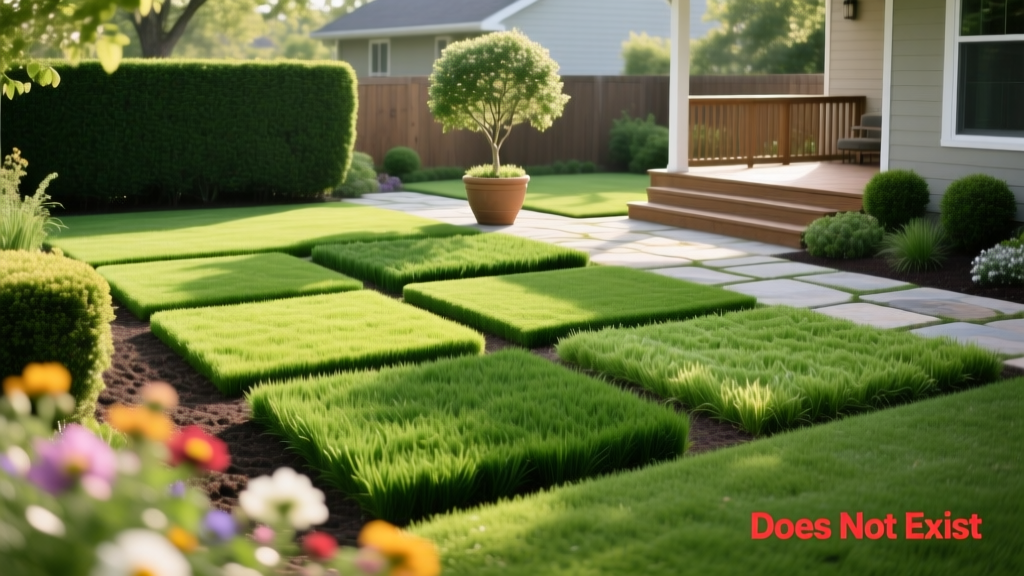
Zeon Zoysia Seed: Why It Doesn't Exist and What to Plant Instead
The Botanical Reality: Why Zeon Zoysia Seed Does Not Exist
If you are searching for Zeon Zoysia seed, you have likely encountered a frustrating wall of out-of-stock notices, contradictory forum posts, or suspiciously cheap listings on third-party marketplaces. The reason for this scarcity is not a supply chain issue; it is a matter of botanical fact. Zeon Zoysia seed does not exist on the commercial market.
Zeon is a patented, fine-bladed cultivar of Zoysia matrella. Unlike Zoysia japonica varieties (which produce viable, harvestable seed), Zoysia matrella species are primarily sterile or produce seed heads that are non-viable for commercial propagation. Furthermore, Zeon is protected under U.S. Plant Patent laws and is exclusively licensed to Bladerunner Farms and their authorized network of licensed growers. It is propagated strictly through vegetative means—specifically stolons and rhizomes—and is sold only as solid sod, sprigs, or pre-grown plugs.
Attempting to establish this elite, shade-tolerant turfgrass from a bag of seed is a biological impossibility. Homeowners must pivot their strategy to vegetative planting or explore alternative seeded cultivars.
⚠️ WARNING: Beware of "Zeon Seed" Scams
Many offshore e-commerce sites and unauthorized third-party sellers list "Zeon Zoysia Seed" for $10 to $20 per pound. These are scams. The seeds you receive will either be generic, coarse-bladed Zoysia japonica, weedy grass species, or entirely inert material. Always verify that you are purchasing vegetative Zeon from a licensed Bladerunner Farms partner.
The Closest Seeded Alternative: Zenith Zoysia
If your landscaping budget or terrain strictly requires seeding rather than laying sod or planting plugs, you must look to Zoysia japonica cultivars. The undisputed leader in the seeded zoysia market is Zenith Zoysia. While Zenith will not perfectly replicate the ultra-fine texture of Zeon, it offers the best compromise of seed availability, cold tolerance, and visual appeal.
Zeon (Vegetative) vs. Zenith (Seed) Comparison Matrix
| Feature | Zeon Zoysia (Sod/Plugs) | Zenith Zoysia (Seed) |
|---|---|---|
| Species | Zoysia matrella | Zoysia japonica |
| Blade Width | 1.5 mm - 2.0 mm (Ultra-fine) | 3.0 mm - 4.0 mm (Medium-coarse) |
| Shade Tolerance | Excellent (Up to 50% shade) | Moderate (Requires 6+ hrs direct sun) |
| Establishment Time | Instant (Sod) / 12-18 months (Plugs) | 10-14 days germination / 24 months full coverage |
| Mowing Height | 1.0" - 1.5" (Reel mower preferred) | 1.5" - 2.5" (Rotary mower acceptable) |
How to Establish Zeon Zoysia Vegetatively (Sod & Plugs)
Since seed is off the table, establishing Zeon requires a commitment to vegetative planting. According to turfgrass specialists at Texas A&M AgriLife Extension, proper soil-to-stolon contact and aggressive early moisture management are the primary drivers of successful Z. matrella establishment.
Step 1: Precision Soil Preparation
Zeon Zoysia demands a well-draining seedbed. Test your soil pH; Zeon thrives between 6.0 and 6.5. If your pH is below 5.8, apply pelletized limestone at a rate of 50 lbs per 1,000 sq ft at least four weeks before planting. Rototill the top 4 inches of soil, removing all rocks and existing weed roots. Apply a high-phosphorus starter fertilizer (such as a 10-18-10 NPK ratio) at 1.5 lbs of actual nitrogen per 1,000 sq ft to fuel initial rhizome development.
Step 2: Sourcing and Spacing Plugs
If full sod coverage exceeds your budget, Zeon plugs are the most economical vegetative route. Plugs are typically sold in 3-inch or 4-inch diameter trays. The spacing math dictates your timeline and budget:
- 12-inch grid (1 plug per sq ft): Requires 1,000 plugs for a 1,000 sq ft lawn. Fills in completely in 10 to 14 weeks during peak summer heat.
- 15-inch grid (0.64 plugs per sq ft): Requires 640 plugs for a 1,000 sq ft lawn. Fills in completely in 16 to 20 weeks. Highly recommended for budget-conscious projects.
Step 3: The Critical 30-Day Watering Protocol
Vegetative Zoysia matrella has a shallow initial root system and will desiccate rapidly if exposed to wind and sun without moisture. Follow this strict 30-day irrigation schedule:
- Days 1–10: Water 3 to 4 times daily for 5–8 minutes per cycle. The goal is to keep the top 1 inch of soil and the plug foliage perpetually damp, not waterlogged.
- Days 11–20: Reduce frequency to twice daily (morning and early afternoon) for 10 minutes per cycle. This encourages roots to stretch downward.
- Days 21–30: Transition to deep, infrequent watering. Apply 0.5 inches of water every third day to force deep root establishment.
💡 Pro-Tip: The Reel Mower Requirement
One of the most common failure modes for new Zeon lawns is scalping with a standard rotary mower. Because Zeon's optimal cutting height is between 1.0 and 1.5 inches, standard rotary mowers often chop the grass unevenly or tear the fine blades, leading to brown tips and disease entry points. Invest in a manual push-reel mower or a motorized reel mower specifically calibrated for low-height cutting to maintain the dense, carpet-like aesthetic Zeon is famous for.
2026 Pricing Guide: Zeon Sod vs. Plugs vs. Zenith Seed
Understanding the true cost of establishment helps contextualize why homeowners seek out seed. Below is the current market pricing for a standard 1,000 square foot lawn area, factoring in material costs (labor and soil prep excluded).
| Establishment Method | Material Cost (per 1,000 sq ft) | Pros & Cons |
|---|---|---|
| Zeon Solid Sod | $450 - $650 | Instant lawn, zero weed competition. Heavy, requires professional installation or intense manual labor. |
| Zeon 3" Plugs (12" spacing) | $150 - $220 | Highly cost-effective. Requires 3 months of aggressive weed control between plugs before canopy closure. |
| Zenith Zoysia Seed | $60 - $90 (2 lbs per 1k sq ft) | Cheapest upfront cost. Extremely slow to establish; highly vulnerable to weed invasion in year one. |
Long-Term Maintenance for Fine-Bladed Zoysia
Whether you establish Zeon via sod or plugs, maintaining its signature dark green color and dense growth habit requires specific nutritional inputs. NC State Extension TurfFiles recommends applying 2 to 3 pounds of nitrogen per 1,000 square feet annually, split into three applications between late May and early August. Avoid late-fall nitrogen applications, which delay winter dormancy and increase susceptibility to large patch disease (Rhizoctonia solani).
Furthermore, Zeon is highly susceptible to thatch buildup due to its aggressive lateral stolon growth. Plan to verticut or core aerate your lawn annually in early June. If the thatch layer exceeds 0.5 inches, it will block water penetration and create a spongy surface that invites fungal pathogens. By abandoning the search for non-existent seed and committing to proper vegetative establishment and maintenance, you will secure a premium, drought-tolerant lawn that outperforms almost every other warm-season turfgrass on the market.

