
Home & Garden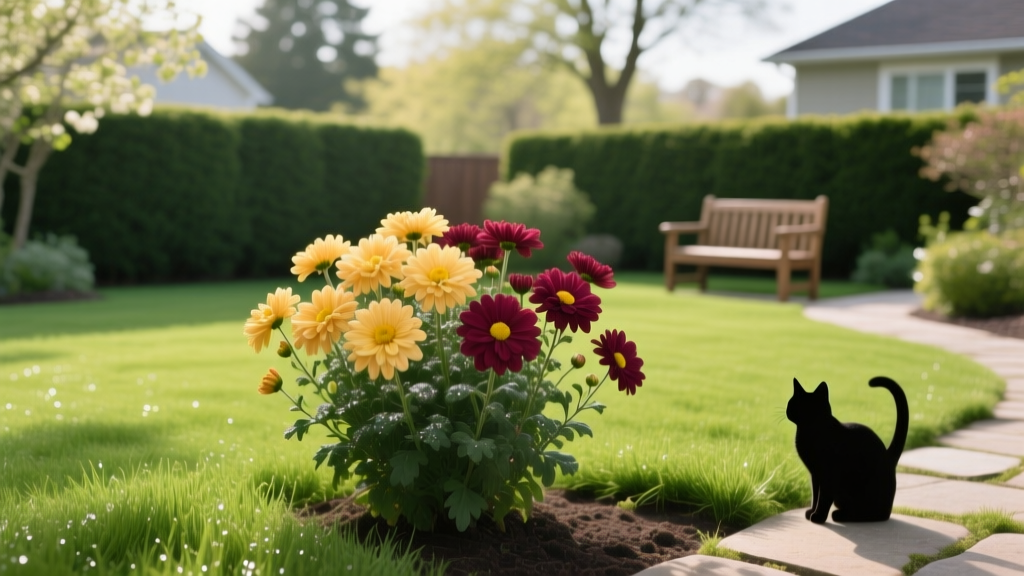
Are Mums Toxic to Cats? A Complete Identification and Safety Guide
The Short Answer: Yes, Chrysanthemums Are Toxic to Felines
If you are asking whether mums are toxic to cats, the definitive answer is yes. All parts of the chrysanthemum plant—including the leaves, stems, flowers, and roots—contain naturally occurring chemical compounds that are highly irritating and potentially dangerous to felines. While ingestion is rarely fatal if treated promptly, it causes significant gastrointestinal distress, neurological symptoms, and severe contact dermatitis.
⚠️ Critical Warning: If you suspect your cat has chewed on or ingested any part of a mum plant, do not wait for symptoms to appear. Contact the ASPCA Animal Poison Control Center at (888) 426-4435 or your local emergency veterinarian immediately.
According to the ASPCA Animal Poison Control, chrysanthemums are classified as toxic to cats, dogs, and horses. The severity of the reaction depends on the volume of plant matter ingested, the specific cultivar, and the individual cat's body weight and metabolic health.
Identifying Toxic Mums: Varieties and Visual Cues
Chrysanthemums (genus Chrysanthemum) encompass over 40 wild species and thousands of cultivated varieties. To protect your pets, you must be able to identify the most common types found in home gardens and floral arrangements.
Garden Mums (Hardy Mums)
Scientifically known as Chrysanthemum morifolium, these are the dense, spherical bushes sold in garden centers every autumn. They feature deeply lobed, fragrant leaves and bloom in vibrant shades of rust, gold, burgundy, and purple. Because they are planted directly in landscaping beds, they pose a high risk to outdoor cats that roam the yard.
Floral Mums (Cut Flowers)
Often found in mixed bouquets, floral mums include varieties like spider mums, pompons, and daisies. They are frequently treated with commercial floral preservatives and systemic pesticides, which can compound the toxicity risk. A cat chewing on a bouquet left on a kitchen counter is one of the most common exposure scenarios.
Pyrethrum Daisies
Chrysanthemum cinerariifolium is specifically cultivated to produce pyrethrins, the active ingredient in many natural insecticides. This variety contains the highest concentration of toxic compounds and poses the most severe risk to felines.
The Toxic Compounds: What Makes Mums Dangerous?
Understanding the specific biochemistry of the plant helps explain the varied symptoms cats exhibit. Chrysanthemums contain two primary classes of toxic compounds:
- Pyrethrins: These are natural insecticidal compounds that attack the nervous system of insects. While mammals can metabolize small amounts of pyrethrins, cats lack specific liver enzymes (glucuronyl transferase) required to efficiently break them down. Ingestion leads to hypersalivation, vomiting, and in severe cases, tremors or ataxia (loss of coordination).
- Sesquiterpene Lactones: These compounds are responsible for the plant's bitter taste and its natural defense against herbivores. In cats, sesquiterpene lactones cause severe gastrointestinal irritation and contact dermatitis. If a cat brushes against the plant or gets sap on its fur and subsequently grooms itself, it will ingest these irritating oils.
Symptom Progression Timeline
Symptoms of chrysanthemum toxicity typically manifest rapidly. The Pet Poison Helpline notes that clinical signs usually begin within a few hours of ingestion or dermal exposure.
| Time Post-Exposure | Primary Symptoms | Clinical Observations |
|---|---|---|
| 0 - 2 Hours | Gastrointestinal Upset | Vomiting (often with plant material), diarrhea, drooling, lip smacking. |
| 2 - 6 Hours | Neurological & Systemic | Lethargy, mild ataxia (clumsiness), loss of appetite, hiding behavior. |
| 6 - 12 Hours | Dermatological & Dehydration | Contact dermatitis (redness on paws/muzzle), sunken eyes, tacky gums. |
Immediate Action Plan: What to Do If Your Cat Eats a Mum
If you catch your cat in the act or find chewed leaves on the floor, follow this exact protocol to minimize harm and reduce veterinary costs.
- Remove the Source: Immediately move the plant out of reach. If the cat has pollen or sap on its fur, gently wipe the area with a warm, damp cloth to prevent further ingestion during grooming.
- Do NOT Induce Vomiting: Never administer hydrogen peroxide or salt to a cat. Cats are highly sensitive to these emetics, and improper administration can cause severe hemorrhagic gastroenteritis or aspiration pneumonia.
- Gather Evidence: Take a photo of the plant and collect any chewed stems or leaves in a ziplock bag. This helps the veterinarian identify the exact cultivar and estimate the ingested volume.
- Call Poison Control: Dial the ASPCA Animal Poison Control (888-426-4435) or Pet Poison Helpline (855-764-7661). Note that a consultation fee of $85 to $95 typically applies, but this provides you with an exact, customized treatment protocol to hand to your vet.
- Transport to the ER: Bring the plant sample and the poison control case number to your nearest open veterinary clinic.
Estimated 2026 Veterinary Costs for Plant Toxicity
Financial preparedness is crucial for pet owners. Based on current veterinary pricing averages for mild to moderate plant toxicity cases, here is what you can expect to pay for emergency intervention:
- Emergency Triage & Exam: $120 - $180
- Emesis Induction (Apomorphine injection): $60 - $90
- Activated Charcoal Administration: $45 - $75
- Subcutaneous or IV Fluids: $150 - $250
- Anti-nausea Medication (Cerenia): $35 - $60
- Total Estimated Cost (Outpatient): $410 - $655
Note: If the cat requires overnight hospitalization for severe neurological monitoring or continuous IV fluid diuresis, costs can easily exceed $1,500.
Cat-Safe Alternatives for Your Garden and Home
You do not have to sacrifice autumn aesthetics or indoor greenery to keep your feline companions safe. When planning your landscaping or buying houseplants, substitute toxic chrysanthemums with these verified non-toxic alternatives.
| Plant Name | Best Use Case | Light Requirements | Autumn Color Alternative? |
|---|---|---|---|
| African Violet | Indoor tabletops | Bright, indirect light | No (Year-round blooms) |
| Coleus | Outdoor beds / Indoor pots | Partial shade to full sun | Yes (Rust, red, gold leaves) |
| Spider Plant | Hanging baskets | Low to bright indirect | No (Green/white foliage) |
| Celosia (Cockscomb) | Fall garden borders | Full sun | Yes (Vibrant red/orange plumes) |
| Orchid (Phalaenopsis) | Indoor centerpieces | Bright, indirect light | No (Elegant floral display) |
Frequently Asked Questions
Are dried mums still toxic to cats?
Yes. The drying process does not destroy pyrethrins or sesquiterpene lactones. In fact, dried floral arrangements can be more dangerous because the brittle leaves shatter easily, creating small, easily ingestible pieces that cats may mistake for toys or treats.
Can the smell of mums harm my cat?
Simply smelling the plant or being in the same room as a chrysanthemum bouquet will not poison a cat. The toxic compounds must be ingested or absorbed through the skin via direct contact with the plant's sap or crushed foliage.
My cat ate a single petal from a mum. Should I panic?
Do not panic, but do take action. A single petal is a very low dose and will likely only result in mild, self-limiting gastrointestinal upset (a single episode of vomiting or slight drooling). However, you should still call your vet or poison control to report the exact weight of your cat and the amount ingested to receive professional triage advice.