
Home & Garden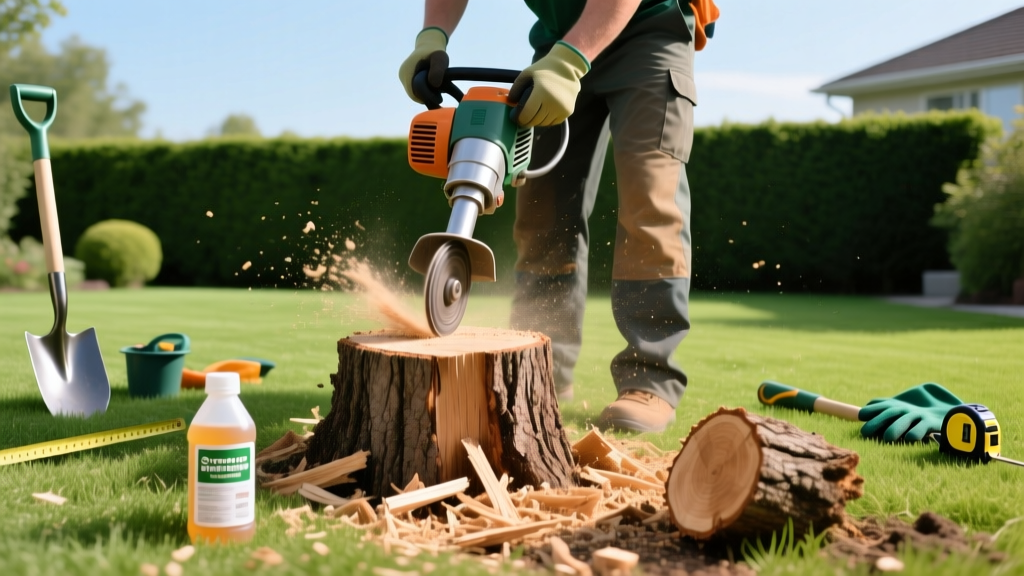
Average Cost to Remove Stumps in 2026: Grinder vs Chemical
The national average cost to remove stumps in 2026 ranges from $150 to $550 per stump, with most homeowners paying around $325 for professional mechanical grinding. However, this baseline figure is highly volatile. Final pricing is dictated by stump diameter, root flare complexity, soil composition, and the specific removal methodology employed. Whether you are clearing a single oak remnant or excavating a dozen pine stumps for a landscaping overhaul, understanding the mechanical and chemical options is critical for budget accuracy.
2026 National Stump Removal Cost Snapshot
- Average Cost Per Inch (Diameter): $3.50 - $6.00
- Average Total Job Cost (Single Stump): $325
- Minimum Professional Call-Out Fee: $150 - $200
- Chemical Treatment Cost (DIY): $12 - $25 per stump
- Debris Haul-Away Surcharge: $75 - $150 per cubic yard
Breakdown of Stump Removal Methods & Costs
Mechanical Stump Grinding (The Industry Standard)
Professional arborists utilize dedicated stump grinders equipped with tungsten carbide-tipped cutting wheels to pulverize the stump into woodchips, typically reaching 8 to 12 inches below grade. In 2026, contractors primarily deploy tracked models like the Vermeer SC362 or Rayco RG50. Tracked grinders distribute weight evenly, preventing the severe turf tearing associated with older wheeled models when pivoting on soft lawns. The cost to remove stumps via grinding is calculated by measuring the widest point of the stump, including the immediate root flare, and multiplying by the per-inch rate ($3.50 to $6.00).
Chemical Decomposition (The Budget Route)
Chemical removal relies on high-concentration potassium nitrate (KNO3) granules, such as Spectracide Stump Remover or Bonide Stump-Out. This method accelerates the natural fungal decay process. You must drill 1-inch wide holes, 8 to 12 inches deep, into the stump, fill them with the granules, and add warm water. While the material cost is exceptionally low ($12 to $25), the timeline is extensive. Expect the stump to become spongy and removable with a mattock in 4 to 8 weeks, depending on ambient temperatures and wood density. This method is only viable for dead, dried-out stumps; living or freshly cut stumps will actively push the chemical out through sap flow.
Manual Excavation (The High-Labor Alternative)
For stumps under 12 inches in diameter located in tight spaces where machinery cannot fit, manual excavation is required. This involves severing lateral roots with a reciprocating saw equipped with a 9-inch pruning blade (e.g., Milwaukee Ax Carbide) and leveraging the stump out with a steel digging bar. Professional hourly rates for manual labor range from $85 to $125 per hour, making this the most expensive option for large stumps, though it completely removes the root ball rather than just pulverizing the crown.
Method Comparison Matrix
| Method | Est. Cost (24" Stump) | Time to Completion | Lawn Impact | Root System Fate |
|---|---|---|---|---|
| Professional Grinding | $105 - $160 | 45 - 90 minutes | Low (if tracked) | Lateral roots remain and decay naturally |
| Chemical Treatment | $15 - $25 | 4 - 8 weeks | None | Slowly rots in place |
| Manual Excavation | $350 - $500+ | 3 - 6 hours | High (crater left behind) | Main taproot and primary laterals removed |
Hidden Variables That Inflate Your Final Bill
Contractor quotes often start with a base per-inch rate, but site-specific constraints trigger mandatory surcharges. Anticipate the following variables when budgeting:
- Gate Clearance and Accessibility: Standard walk-behind grinders require a minimum 36-inch clearance. If your fence gate is only 32 inches wide, the contractor must either dismantle the fence or switch to a mini-skid steer (like a Toro Dingo TX 427) with a grinder attachment. This equipment swap typically adds $100 to $150 to the final invoice.
- Surface Root Tracing: Grinding the main bowl is the baseline price. If surface roots extend 10 feet across the lawn and must be ground flush to allow for future sod laying, contractors charge an additional $2.00 to $3.50 per linear foot of root tracing.
- Rocky Soil Conditions: Glacial till or heavy shale soils dull carbide cutting teeth rapidly. Contractors operating in regions with dense subsurface rock may apply a 15% to 20% 'abrasive soil' surcharge to cover accelerated tooth replacement costs.
- Debris Volume and Haul-Away: A stump grinder expands solid wood into loose woodchips, increasing the volume by a factor of 2.5 to 3. A 30-inch stump will yield roughly 1.5 cubic yards of chips. If you do not want to keep them for mulch, hauling them to a green waste facility costs $75 to $150 per cubic yard, including dump fees and labor.
⚠️ Critical Safety Warning: Utility Line Strikes
Before any mechanical grinding or manual excavation begins, you must identify subsurface utilities. Striking a buried fiber-optic line or gas main can result in catastrophic financial liability and physical danger. Always contact your local utility marking service by dialing 811 or visiting Call 811 at least 72 hours before breaking ground. This service is free and legally protects you from utility repair costs if lines are properly marked and avoided.
Post-Removal Soil Science: Filling the Void
The most frequently mismanaged phase of stump removal is backfilling the resulting crater. When a stump is ground, the resulting hole is filled with a mixture of native soil and pulverized woodchips. If you plan to plant grass or a new shrub in this exact spot, you must understand the carbon-to-nitrogen (C:N) ratio.
Woodchips have a C:N ratio of approximately 400:1. Soil microbes require nitrogen to break down this massive carbon load. If you leave the woodchips in the hole and plant grass over them, the microbes will steal all available nitrogen from the surrounding soil, causing severe 'nitrogen immobilization.' Your new grass will turn yellow and stunt within weeks. According to soil management guidelines outlined by the University of Minnesota Extension, you have two viable remediation paths:
- The Complete Swap (Recommended): Shovel out 90% of the woodchip/soil mixture. Backfill the hole with a 50/50 blend of native topsoil and finished compost. This provides a stable, nutrient-rich base for new sod or seed.
- The Nitrogen Offset (Budget): If you leave the woodchips in the hole, you must artificially spike the soil nitrogen to feed the microbes. Apply a high-nitrogen synthetic fertilizer, such as 46-0-0 Urea, at a rate of 1 cup per cubic yard of chip-fill, and water it in thoroughly before laying sod.
DIY Stump Grinding vs. Professional Hire
Renting a stump grinder from a facility like Sunbelt Rentals or Home Depot is a common DIY strategy, but the math rarely favors the homeowner for stumps larger than 18 inches. A standard 25-HP walk-behind grinder rents for $150 to $225 per day, plus a $50 damage waiver and fuel costs.
The DIY Reality Check: These rental units are heavy (often exceeding 300 lbs) and violently torque to the right when the cutting wheel engages solid wood. If you lack the physical strength to wrestle the machine, or if you strike a hidden rock that shatters a carbide tooth, you are liable for the repair costs. Furthermore, rental units typically feature wheeled chassis that will destroy your lawn's turf during pivoting. For anything beyond a small, easily accessible pine stump, hiring an insured professional with tracked, high-torque machinery is the superior financial and physical decision.
Frequently Asked Questions
Does stump grinding kill the remaining root system?
No. Grinding only destroys the main trunk base (the bowl) to a depth of 8-12 inches. The lateral root system remains intact underground. For most non-suckering tree species (like oaks or pines), these roots will simply decay over the next 3 to 7 years, eventually adding organic matter to the soil. However, for aggressive suckering species (like Tree of Heaven, Bradford Pear, or certain Poplars), the remaining roots will send up dozens of new shoots. For these species, manual excavation or targeted systemic herbicide application to the fresh grindings is required.
Can I burn a stump out instead of grinding it?
While technically possible, burning is highly discouraged and often illegal in residential zones due to municipal fire codes. To burn a stump, you must drill deep holes, fill them with potassium nitrate, and let it cure for weeks before igniting. The smoldering fire can travel unpredictably through subterranean dry root channels, potentially igniting dry peat soil or neighboring structures underground. Mechanical grinding remains the only safe, predictable, and code-compliant removal method.
How soon can I plant a new tree in the exact same spot?
You should wait a minimum of 6 to 12 months after stump grinding before planting a new tree in the exact same coordinates. The decaying woodchips and remaining root mass will temporarily tie up soil nitrogen and alter the soil pH. Furthermore, the physical void left by the decaying roots will cause the ground to settle over the first year, which can destabilize the root ball of a newly planted tree. Plant the new tree 4 to 6 feet away from the old grind site for optimal establishment.